

An Unprecedented Market Anomaly for Fiat
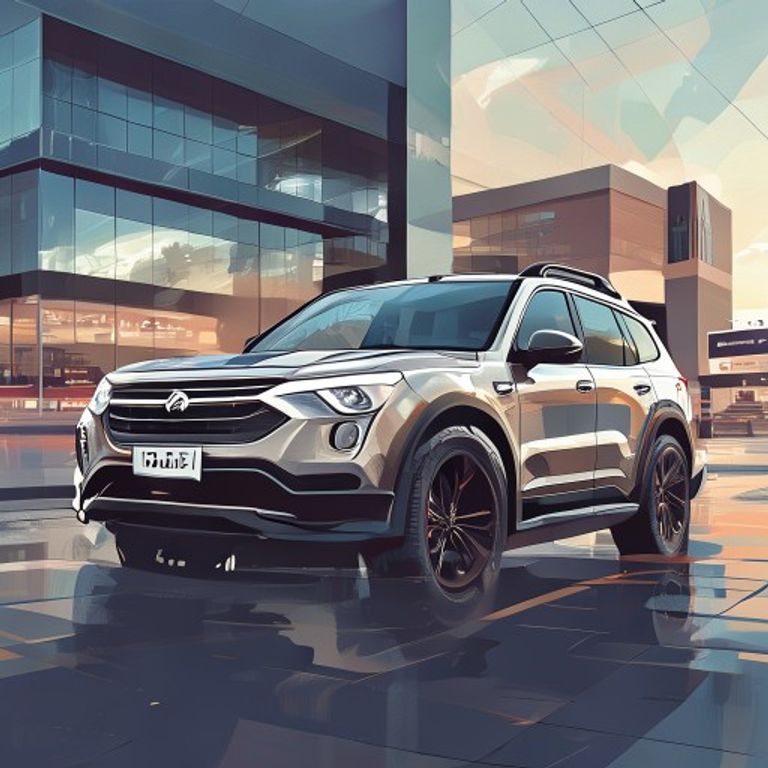
In an automotive industry driven by relentless innovation and the constant introduction of new models, a revelation from within the Stellantis conglomerate has caused considerable surprise: a specific SUV model, discontinued three years ago, has astonishingly emerged as Fiat’s current bestseller.
This development directly challenges conventional wisdom and established market dynamics. A vehicle’s lifecycle typically follows a predictable trajectory of launch, peak sales, and gradual decline. For a model officially « axed » three years prior to not only still be sold as a new unit but also to outsell every active model in Fiat’s lineup presents a fascinating case. It highlights an unexpected resilience and market appeal that persists well beyond its official expiry date, challenging the notion of what constitutes a « current » and successful product in today’s competitive environment.
The « Zombie Car » Phenomenon Within Stellantis
The concept of « zombie cars » – new units of discontinued vehicles still being sold – is a known phenomenon, particularly within a vast automotive group like Stellantis. Such occurrences can stem from various factors. Manufacturers might maintain stock post-discontinuation to fulfill existing orders, especially for fleet customers, or to simply clear remaining inventory. Sometimes, specific models continue to be produced for niche markets or regions where demand remains robust, even if phased out in primary markets.
For Stellantis, with its sprawling global footprint and diverse brand portfolio, managing model lifecycles across different territories is complex. This can lead to situations where new, unregistered units of models no longer actively marketed for the general public still reach dealerships. While these vehicles are new, their official status as discontinued makes their continued sale noteworthy. However, the critical distinction in the current Fiat scenario is not merely the presence of these « zombie cars » but their unprecedented dominance in sales figures.
The Rarity of a Discontinued Bestseller
What makes this situation truly remarkable is the sheer unlikelihood of a discontinued model achieving bestseller status. When a car is phased out, it typically signals a manufacturer’s intent to move on, often to introduce a successor. Marketing efforts invariably focus on the latest offerings, supported by advertising campaigns, dealer incentives, and prominent showroom placement. These newer models are designed to capture the zeitgeist, incorporating the most recent technological advancements, safety features, and design trends consumers actively seek.
For a three-year-old discontinued SUV to surpass these actively promoted, contemporary vehicles suggests a unique alignment of circumstances. It implies the model either possesses an enduring appeal that transcends its age, addresses a specific market need that current Fiat models are not fully meeting, or benefits from an availability or pricing strategy that makes it extraordinarily attractive. In most cases, discontinued vehicles, even if available, tend to be relegated to clearance sales. This particular Fiat SUV has evidently defied that norm, carving out an unexpected niche at the very top of the sales charts.
Analyzing the Potential Factors Behind This Success
While specific details regarding the exact model or precise reasons for its resurgence remain unconfirmed, several plausible factors could contribute to this extraordinary sales performance. The SUV segment universally remains incredibly popular, with consumers continuing to favor the practicality, commanding driving position, and perceived safety benefits of sport utility vehicles. It’s possible this particular Fiat SUV, despite its age, still offers a compelling package that resonates strongly with a segment of buyers.
The anomaly of a discontinued model topping sales charts can often be attributed to a confluence of specific circumstances, which may include:
- Aggressive Pricing and Incentives: Significant discounts or attractive financing to clear remaining stock can make an older model exceptionally competitive.
- Market Niche Fulfillment: The model might be addressing a specific market demand (e.g., size, feature set, price point) that newer Fiat offerings are not adequately meeting.
- Supply Chain Advantages: In an era of new vehicle scarcity due to production issues, the ready availability of a discontinued model, even in limited numbers, can boost its relative sales.
- Enduring Appeal: The model could possess intrinsic qualities like reliability or a desirable design that maintains its attractiveness to buyers prioritizing proven value.
These factors, individually or in combination, could help explain how an officially retired vehicle achieves such unexpected market success.
Implications and the Future Outlook
The unexpected success of a discontinued SUV as Fiat’s current bestseller presents both an interesting challenge and a unique opportunity for the brand. It underscores the potential enduring appeal of certain models and could prompt an internal review of product lifecycles and market demand signals. It might also highlight a gap in Fiat’s current portfolio that this older model is inadvertently filling, perhaps in terms of size, price point, or specific features.
However, relying on a discontinued model for sales leadership is inherently unsustainable. While a fascinating anomaly, the finite supply of such « zombie cars » means this trend cannot continue indefinitely. Ultimately, Fiat, under Stellantis, will need to leverage this insight to strengthen its active and future product lines, ensuring its contemporary offerings are equally, if not more, compelling. The market’s surprising embrace of this three-year-old discontinued SUV serves as a potent reminder that while innovation drives the industry, certain fundamental values and market demands can exhibit remarkable persistence.
Source : https://www.caranddriver.com/news/a70964662/fiat-bestsller-q1-2026-500x-500e/