

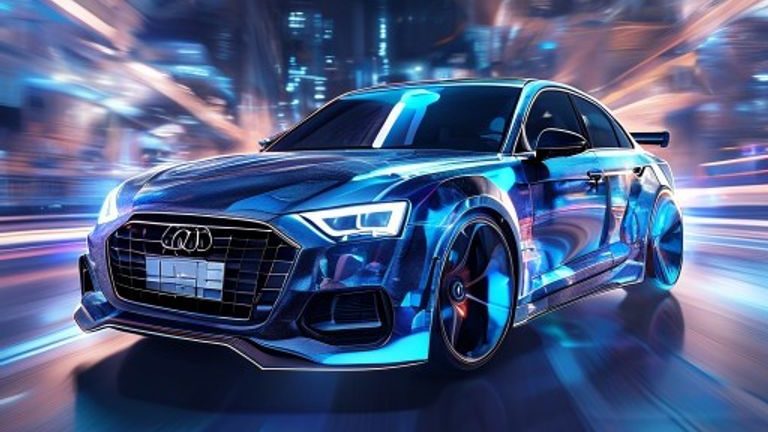
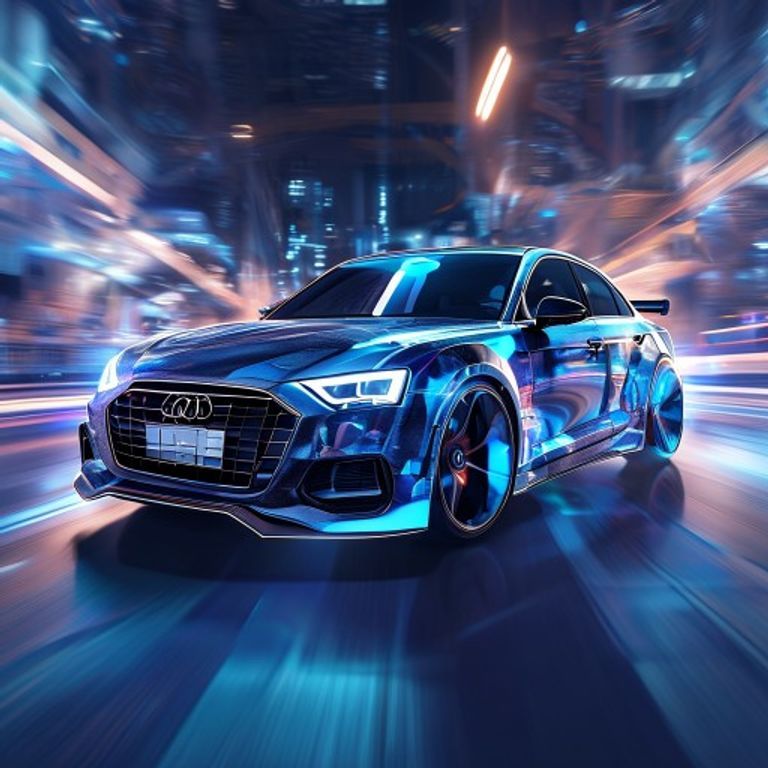
The distinctive thrum of Audi’s iconic five-cylinder engine has long been a hallmark of its high-performance RS models, particularly the revered RS3. This celebrated powertrain is now confronting its most significant challenge yet in its home market: increasingly stringent European emissions regulations. As these environmental mandates tighten, forcing automakers to drastically reduce tailpipe emissions, the future of pure internal combustion engines, especially high-performance units, hangs in the balance. Amidst this pressure, whispers from Ingolstadt suggest Audi is weighing hybrid technology for the RS3, a move that could serve as a vital lifeline for its beloved five-cylinder.
The Enduring Legacy of the Five-Cylinder
For decades, the five-cylinder engine has defined Audi Sport’s most visceral offerings. Its unique firing order delivers a distinctive soundtrack and characterful power. From its rallying prowess in the legendary Audi Quattro to its modern incarnation in the RS3 and TT RS, the 2.5-liter TFSI engine has consistently garnered critical acclaim and a passionate following. It embodies engineering innovation and emotional appeal, a crucial piece of Audi’s performance heritage. The thought of its potential extinction in Europe underscores the profound impact of evolving environmental policy on automotive tradition.
Europe’s Unyielding Emissions Challenge
Audi’s re-evaluation stems directly from Europe’s ambitious climate goals. The continent demands significant CO2 reductions from new vehicles. Regulations like the WLTP (Worldwide Harmonised Light Vehicle Test Procedure) cycle are increasingly rigorous, accurately reflecting real-world driving and making it harder for high-performance engines to comply. Future ‘Euro 7’ standards promise even tighter restrictions on pollutants and CO2. For engines like the 2.5 TFSI, engineered primarily for power, meeting these benchmarks without compromising performance or incurring prohibitive costs is a monumental task. Manufacturers face steep fines for non-compliance, making adaptation imperative.
Hybridization: A Path to Preservation and Performance
In this challenging regulatory landscape, hybridization offers a compelling solution for preserving internal combustion engines, especially in performance vehicles. Integrating electric motors and battery packs significantly reduces fuel consumption and CO2 emissions, particularly during urban driving. Beyond environmental benefits, hybridization also offers considerable performance advantages. Electric motors provide instant torque, effectively eliminating turbo lag and enhancing throttle response. This can lead to superior acceleration and a more dynamic driving experience, potentially making a hybrid RS3 not just greener, but faster. Electric boost can compensate for power deficits from engine modifications or simply amplify existing output. This dual benefit makes hybridization an attractive proposition for high-performance divisions like Audi Sport.
A Hybrid RS3: Balancing Heritage with Future Demands
The prospect of an Audi RS3 incorporating hybrid technology presents a modern solution to safeguard a traditional icon. For Audi, the challenge lies in seamlessly integrating electric power while retaining the fundamental character and appeal of the five-cylinder engine. The goal would likely be a mild-hybrid or plug-in hybrid system complementing the 2.5 TFSI. This could involve a 48-volt mild-hybrid system providing electric boost and improving efficiency, or a more substantial plug-in hybrid setup offering significant electric-only range. Such a development would allow the five-cylinder to continue its journey in Europe, meeting emissions targets via electric assistance. While the exact configuration remains speculative, the strategy is clear: leverage electrification to reduce the powertrain’s overall carbon footprint, extending its viability in a market hostile to high-emissions vehicles. This pivot reflects a broader industry trend where performance brands balance legacy and sustainability.
Navigating the Transition: Challenges and Opportunities
Adopting a hybrid powertrain for the RS3, while promising, faces complexities. Integrating electric components adds weight, requiring careful management to preserve agile handling. Higher development and manufacturing costs could impact the final price. Audi engineers must ensure harmonious interplay between the gasoline engine and electric motor, delivering a cohesive, exhilarating driving experience. However, these challenges also present distinct opportunities:
- Added torque from electrification could unlock new performance thresholds.
- Improved efficiency broadens the RS3’s appeal to a wider market.
- Commitment to sustainable performance reinforces Audi’s brand image, showcasing adaptability without sacrificing core values.
Conclusion: An Evolving Legacy
As Europe’s emissions regulations push traditional performance engines to their limits, Audi faces a pivotal juncture with its beloved five-cylinder. The discussion around a hybrid RS3 clearly indicates the industry’s trajectory: an undeniable shift towards electrification, even for revered internal combustion engines. While the future of the pure five-cylinder in Europe appears increasingly uncertain, hybridization offers a pragmatic and potentially exciting path forward. It presents a means for Audi to preserve its unique engine heritage, continue offering exhilarating performance, and meet the stringent environmental demands of its home market. The next generation of the RS3, if it embraces hybrid power, could represent a powerful testament to Audi’s adaptability, proving that iconic engines can indeed evolve and thrive in a rapidly changing world.
Source : https://www.caranddriver.com/news/a71054771/audi-hybrid-rs3-considered/