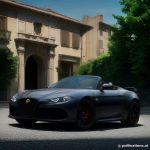
In a development that has sent ripples through the automotive community, a pre-production or conceptual Toyota bZ Woodland, identified as a family SUV, has reportedly achieved a 0-60 MPH acceleration time equivalent to that of a Toyota Supra. This unexpected revelation underscores the dramatic shifts occurring in vehicle performance metrics, particularly within the rapidly evolving electric vehicle (EV) segment. While the raw acceleration figures may align, it is unequivocally stated that the driving experience offered by these two vehicles remains fundamentally incomparable, highlighting the nuanced distinction between raw speed and overall dynamic engagement.
The Shocking Revelation: Bridging Performance Divides
The notion of a family-focused sport utility vehicle standing toe-to-toe with a dedicated sports car, at least in a singular performance metric like 0-60 MPH acceleration, is inherently surprising. For decades, the automotive landscape has been clearly demarcated: sports cars like the Supra represented the pinnacle of speed, agility, and driver exhilaration, while SUVs prioritized practicality, space, and a commanding driving position. This reported achievement by the Toyota bZ Woodland challenges these long-held conventions, demonstrating how advanced electric powertrains are democratizing access to exhilarating straight-line speed across a wider array of vehicle types. It’s a testament to the relentless pace of innovation that such a juxtaposition is even possible.
Understanding the Supra Legacy: A Benchmark of Sportiness
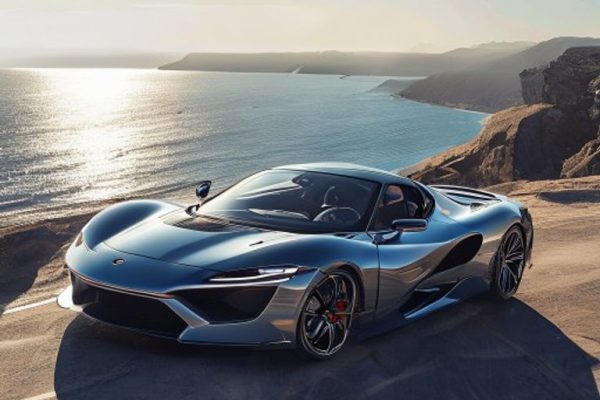
The Toyota Supra is a name synonymous with performance. Throughout its various generations, it has cemented its status as a benchmark for Japanese sports cars, celebrated for its robust engines, agile handling (in its intended context), and a driving experience designed to connect the driver directly with the road. While specific 0-60 MPH times vary across different Supra models and generations, the car consistently delivers acceleration figures that place it firmly in the high-performance category. Its very essence is built around speed, precision, and an engaging, visceral connection, making it an aspirational vehicle for many enthusiasts. For any vehicle, let alone a family SUV, to match *a* Supra’s acceleration is to enter a very exclusive club, traditionally reserved for specialized performance machines.
The Toyota bZ Woodland: A Glimpse into the Electric Future
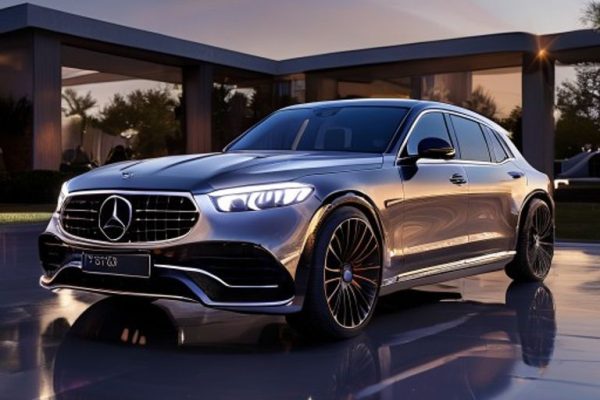
Conversely, the Toyota bZ Woodland emerges from Toyota’s « Beyond Zero » (bZ) sub-brand, signaling its identity as a fully electric vehicle. The designation « Woodland » suggests a potential focus on versatility, perhaps even light off-road capability, or simply a specific trim level emphasizing ruggedness or connection to nature, similar to how Toyota uses the « Woodland Edition » on other SUV models. As a « family SUV, » its primary mission would typically revolve around passenger comfort, cargo capacity, safety features, and a smooth, quiet ride suitable for daily commutes and longer journeys with loved ones. The integration of high-level acceleration into such a package speaks volumes about Toyota’s ambitions for its electric lineup, aiming to offer compelling performance alongside traditional utility.
The 0-60 MPH Metric: A Double-Edged Sword
The 0-60 MPH acceleration benchmark has long been a headline figure in automotive performance. It offers a clear, quantifiable measure of a vehicle’s ability to get off the line quickly, often serving as a key selling point and a point of pride for manufacturers and owners alike. Electric vehicles, with their instant torque delivery and lack of traditional gear changes, inherently excel in this particular metric. The immediate rush of power, available from a standstill, allows EVs to often outperform internal combustion engine (ICE) vehicles of similar power outputs in short bursts of acceleration. However, focusing solely on 0-60 MPH can paint an incomplete picture of a vehicle’s overall performance capabilities and character. It measures only one dimension of speed and tells little about handling, braking, or sustained high-speed performance.
Beyond Straight-Line Speed: The Unparalleled Driving Experience
This brings us to the crucial caveat: « even if the driving experience isn’t comparable. » This statement is perhaps as significant as the acceleration match itself. A Supra delivers a driving experience steeped in feedback: the roar of the engine, the tactile connection through the steering wheel, the precise feel of a chassis tuned for cornering, and the sensory immersion of sitting low to the ground in a cockpit designed for spirited driving. Every input elicits a direct, unvarnished response. The bZ Woodland, as a family EV SUV, would prioritize different attributes. Its electric powertrain would deliver acceleration with near silence, a smooth power delivery, and minimal vibration. Its higher center of gravity, greater mass, and focus on comfort would likely translate to a more isolated, refined, and less visceral driving feel, even if it’s incredibly fast in a straight line. The joy of a sports car often comes from its holistic dynamic package, not just its ability to sprint.
- Auditory Feedback: Supra’s engine note vs. EV’s near-silence.
- Tactile Connection: Sports car’s direct steering and suspension vs. SUV’s comfort-tuned setup.
- Seating Position: Low-slung sports car vs. commanding SUV view.
- Weight Distribution: Performance-optimized vs. utility-driven.
- Purpose: Driver engagement vs. passenger comfort and practicality.
The Electric Revolution: Redefining Performance Paradigms
The ability of an electric family SUV to match a sports car’s acceleration is a direct consequence of the electric revolution reshaping the automotive industry. Electric motors provide maximum torque instantaneously, delivering a surge of power that is unmatched by most conventional gasoline engines, which need to build RPMs. This characteristic makes high acceleration figures relatively easier to achieve in EVs, even for larger, heavier vehicles. Manufacturers are leveraging this inherent advantage to inject excitement and performance into segments not traditionally associated with blistering speed. This trend indicates a future where impressive acceleration will become a more common feature across various vehicle types, challenging consumers to look beyond single metrics when evaluating a car’s true character and suitability for their needs.
Implications for the Automotive Landscape
This report concerning the Toyota bZ Woodland holds significant implications. For Toyota, it showcases their intent to inject performance into their bZ electric lineup, potentially appealing to a broader range of buyers who desire both practicality and brisk acceleration. For consumers, it signifies a future where performance is no longer exclusively the domain of niche sports cars but can be found in more versatile, family-friendly packages. It also reinforces the idea that while electrification levels the playing field for straight-line speed, the intangible qualities that define a true sports car experience – the sound, the feel, the sheer involvement – will likely remain unique and highly valued by enthusiasts. As the automotive world continues its transition, such surprising matchups will become increasingly common, prompting a re-evaluation of what constitutes ‘performance’ in the modern era.