


Jeep Wagoneer S to Skip 2026 Model Year for Crucial NACS Integration
The highly anticipated Jeep Wagoneer S, an all-electric SUV poised to redefine the brand’s premium offerings, will notably bypass the 2026 model year. This strategic pause, confirmed by the automaker, is a direct result of preparations for a significant technological upgrade: the integration of the North American Charging Standard (NACS) port, which will be a cornerstone feature of the vehicle’s expected return for the 2027 model year. This decision underscores the rapid evolution of the electric vehicle (EV) landscape and the imperative for automakers to adapt swiftly to emerging industry standards.
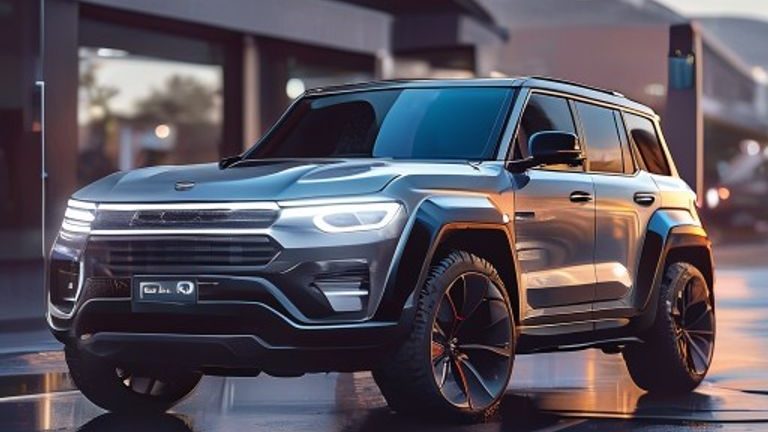
The Wagoneer S, positioned as Jeep’s inaugural global battery-electric vehicle (BEV), represents a bold step into the luxury EV segment. Unveiled with impressive performance figures and a sophisticated design, it is designed to offer a premium, high-performance experience, blending Jeep’s adventurous spirit with cutting-edge electric propulsion. For a brand-new model to momentarily halt its production cycle so early in its lifecycle is an unusual but increasingly understandable move in the dynamic EV market, reflecting a commitment to future-proofing and optimal consumer experience.
Understanding the Strategic Pause for NACS
The decision to skip an entire model year is not taken lightly, especially for a flagship electric offering. However, it highlights the profound impact of the North American Charging Standard (NACS) on the automotive industry. NACS, originally developed and deployed by Tesla for its Supercharger network, has rapidly gained widespread adoption among major automakers. This industry-wide shift signals a move towards a unified charging infrastructure, promising greater convenience and accessibility for EV owners across the continent.
For Jeep, and its parent company Stellantis, integrating NACS directly into the 2027 Wagoneer S from the outset is a forward-thinking move. It ensures that the vehicle will be equipped with the most prevalent charging standard upon its broader market availability, preventing potential customer dissatisfaction that might arise from owning a vehicle with a less universally accepted charging port. This proactive approach aims to provide owners with seamless access to an expansive network of charging stations, including Tesla’s formidable Supercharger infrastructure, which has long been lauded for its reliability and speed.
The Significance of the North American Charging Standard (NACS)
The transition to NACS marks a pivotal moment for electric vehicle adoption in North America. For years, the charging landscape has been somewhat fragmented, with different connectors (primarily CCS and NACS) requiring adapters or limiting access to certain networks. The embrace of NACS by a growing number of automakers is set to simplify the charging experience dramatically.
Key Benefits of NACS Adoption:
- Wider Charging Access: NACS-equipped vehicles will gain direct, plug-and-charge access to Tesla’s vast and dependable Supercharger network, significantly expanding charging options.
- Industry Standardization: A unified charging standard reduces complexity for consumers and infrastructure providers, fostering greater investment and development in charging technology.
- Reduced Range Anxiety: With more charging stations readily available and compatible, drivers can embark on longer journeys with increased confidence.
- Simplified User Experience: A single, widely adopted connector simplifies the charging process, making EV ownership more user-friendly for everyone.
Many automakers have announced their intention to incorporate NACS ports into their new EV models starting in 2025 or 2026, with some offering adapters for existing vehicles in the interim. Jeep’s move with the Wagoneer S aligns with this broader industry trend, ensuring its premium electric SUV is competitive and convenient right out of the gate in the 2027 model year.
Strategic Implications for Jeep and the Wagoneer S
While a model year skip might seem like a setback, it is ultimately a strategic advantage for the Wagoneer S. By taking this pause, Jeep ensures that the 2027 model will arrive on the market fully optimized for the prevailing charging standard, enhancing its appeal and longevity. This approach prevents the need for retrofitting or relying on adapters for a vehicle that is meant to represent the pinnacle of Jeep’s electric future.
Furthermore, this temporary hiatus provides Stellantis with an opportunity to fine-tune other aspects of the Wagoneer S, incorporating any last-minute refinements or technological advancements that emerge in the rapidly evolving EV market. It’s a chance to ensure that when the Wagoneer S does make its full market debut, it is not just a compelling EV, but a future-proof one.
Looking Ahead to the 2027 Wagoneer S
When the Jeep Wagoneer S returns for the 2027 model year, consumers can expect a vehicle that is not only equipped with the industry-standard NACS charging port but also potentially benefits from further enhancements made during the development pause. This positions the Wagoneer S to be a highly competitive and desirable option in the burgeoning luxury EV SUV segment, offering a seamless charging experience alongside its promised performance and premium features.
In essence, the decision to skip the 2026 model year is a calculated investment in the long-term success and appeal of the Jeep Wagoneer S. By prioritizing a unified and accessible charging experience from its reintroduction, Jeep is laying the groundwork for a more robust and consumer-friendly electric future.
Source : https://www.caranddriver.com/news/a71075446/jeep-wagoneer-s-skips-2026/