



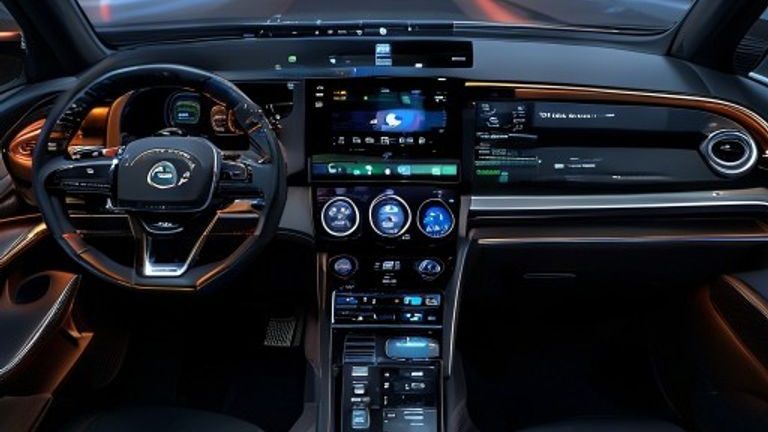
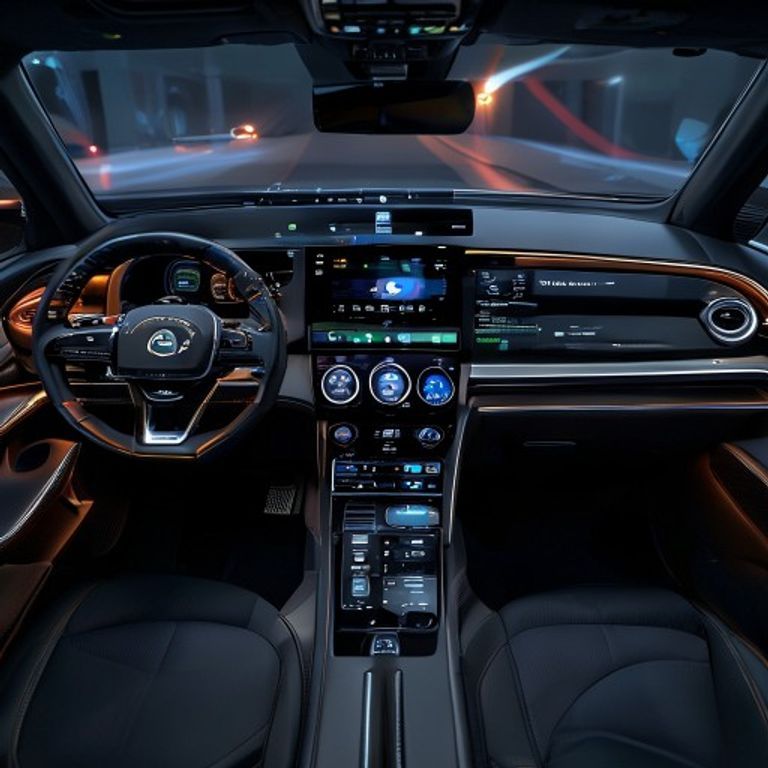
Hyundai is charting a course for the future of automotive technology, unveiling its next-generation infotainment system designed to blend cutting-edge artificial intelligence with the enduring practicality of physical buttons. This strategic approach underpins the launch of Hyundai’s software-defined vehicles (SDVs), with the innovative ‘Pleos Connect’ system at its core. Initially rolling out in select markets, this advanced platform is set to eventually proliferate across Hyundai models sold in America, promising a significantly enhanced and intuitive driving experience for a broad spectrum of consumers.
Pleos Connect: The Foundation for Software-Defined Vehicles
At the heart of Hyundai’s forward-looking strategy is Pleos Connect, a sophisticated digital architecture poised to redefine how drivers interact with their vehicles. This isn’t just an incremental update; it’s a fundamental shift towards a software-defined vehicle ecosystem. The concept of SDVs signifies a profound transformation in vehicle design and functionality, moving beyond fixed hardware configurations to an environment where features, updates, and even new capabilities can be delivered and refined over the air throughout a vehicle’s lifespan. This means a Hyundai car equipped with Pleos Connect could genuinely improve and evolve long after it leaves the dealership.
The implications of this transition are vast. For owners, it translates to a vehicle that remains current, secure, and adaptable to emerging technologies and personal preferences. Instead of a static set of features, drivers can look forward to continuous enhancements, bug fixes, and potentially entirely new functionalities downloaded directly to their car, much like updates to a smartphone. Pleos Connect is designed to be the robust backbone facilitating this constant evolution, ensuring seamless integration of software, hardware, and user interface elements.
Artificial Intelligence: Personalizing the Driving Experience
A cornerstone of Hyundai’s next-gen infotainment is the deep integration of Artificial Intelligence. Far from being a mere gimmick, AI is leveraged to create a more intelligent, responsive, and personalized user experience. The system is designed to learn from user behavior, adapt to individual preferences, and anticipate needs, thereby reducing cognitive load on the driver and enhancing overall convenience. This extends across various facets of the infotainment system:
- Advanced Voice Recognition: Moving beyond simple commands, AI enables more natural language processing, allowing drivers to interact with the vehicle using conversational speech, understanding context and nuances for tasks like navigation, climate control, and media selection.
- Personalized User Profiles: The system can recognize different drivers and automatically adjust settings such as seat position, mirror angles, climate preferences, and preferred media sources, creating a tailored environment for each individual.
- Proactive Suggestions: Based on historical data and real-time conditions, the AI can offer intelligent recommendations for navigation routes, music playlists, or even restaurant suggestions, enhancing convenience and reducing decision fatigue.
- Adaptive Climate Control: AI can optimize interior temperatures and airflow based on external weather, cabin occupancy, and individual comfort settings, leading to greater energy efficiency and passenger comfort.
- Seamless Device Integration: AI facilitates more fluid connectivity with external devices, optimizing how smartphones, wearables, and smart home systems interact with the vehicle.
By empowering the infotainment system with AI, Hyundai aims to transform the cabin into a more intuitive and thoughtful co-pilot, enhancing safety, comfort, and connectivity without overwhelming the user.
The Enduring Value of Tactile Controls: A Nod to Driver Safety and Preference
In an era where many manufacturers are shifting towards an all-touch interface, Hyundai’s deliberate decision to retain real, physical buttons for critical functions stands out as a commitment to user-centric design and driver safety. While large, responsive touchscreens offer a sleek aesthetic, physical controls provide undeniable advantages, particularly when a driver’s attention needs to remain on the road.
The inclusion of tangible buttons and dials acknowledges that tactile feedback is invaluable. Drivers can operate functions like volume adjustment, climate control, or essential shortcuts by feel, without needing to divert their gaze from the road to locate virtual buttons on a screen. This enhances safety by minimizing visual and cognitive distraction. It also caters to a significant portion of the driving public who prefer the certainty and immediacy that physical controls offer over purely digital interfaces. Hyundai’s approach suggests a thoughtful balance, recognizing that while AI and advanced software can enhance the driving experience, certain fundamental interactions are best served by tried-and-true mechanical inputs.
A Strategic Rollout: Heading for American Shores
The rollout of Pleos Connect and Hyundai’s next-gen infotainment system will be a phased process, initially launching in specific vehicle models and regions before a broader introduction. However, the commitment is clear: this technology will eventually make its way into Hyundai models sold across America. This strategic expansion underscores Hyundai’s ambition to position itself at the forefront of automotive innovation in one of the world’s most competitive markets.
For American consumers, this means access to vehicles that are not only technologically advanced but also designed with a keen understanding of driver needs and preferences. As Pleos Connect proliferates, it will likely set new benchmarks for what customers expect from their vehicle’s digital interface, blending the intelligence of AI with the reassuring reliability of physical controls. Hyundai’s vision is to deliver an integrated, intuitive, and continuously improving driving experience that enhances convenience, safety, and connectivity for years to come.
Source : https://www.caranddriver.com/news/a71176625/hyundai-next-gen-infotainment-system-pleos-connect/
