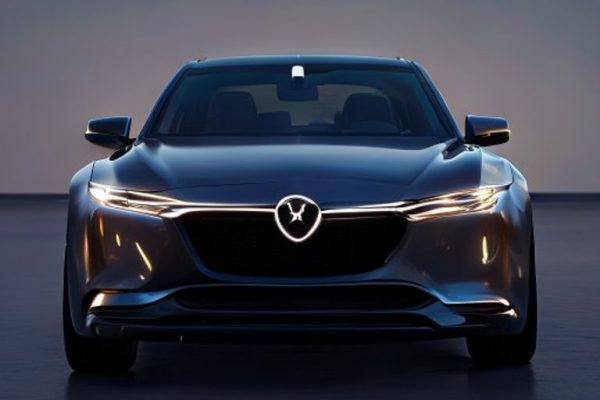

In a significant move signaling its accelerated transition towards an all-electric future, Range Rover is reportedly set to replace its popular Evoque and Velar models with an upcoming GT EV. This strategic shift underscores the luxury marque’s commitment to electrification and its evolving product portfolio. The precise timeline for this transition, particularly concerning the U.S. market, remains a point of interest, with current reports indicating uncertainty regarding whether either the Evoque or Velar will see a 2027 model year run in the United States.
The Evolving Landscape of Range Rover’s Portfolio
The Range Rover Evoque, first introduced in 2011, quickly established itself as a design icon in the compact luxury SUV segment. Its distinctive coupe-like silhouette, premium interior, and urban-friendly dimensions broadened Range Rover’s appeal, attracting a younger and more style-conscious demographic. The Evoque consistently served as an accessible entry point into the brand’s luxurious ecosystem, offering a blend of city agility and the expected Range Rover refinement.
Following the Evoque’s success, the Range Rover Velar made its debut in 2017, positioning itself between the Evoque and the larger Range Rover Sport. The Velar introduced a minimalist design language, flush door handles, and advanced infotainment systems, pushing the boundaries of Range Rover’s contemporary aesthetic. It became synonymous with sophisticated design, innovative technology, and a serene driving experience, appealing to those seeking understated luxury and cutting-edge features.
Both models, while distinct in their market positioning, have played crucial roles in expanding Range Rover’s global footprint and diversifying its customer base. Their potential discontinuation, therefore, represents a pivotal moment in the brand’s history, indicative of a wider industry trend towards rationalizing product lineups in favor of electrified offerings.
Range Rover’s Electric Future: The GT EV
The reported replacement of these established models by an « Upcoming GT EV » signals a bold new direction. While specific details about this new electric vehicle remain under wraps, the « GT » (Grand Tourer) designation offers a glimpse into its intended character. A Grand Tourer typically emphasizes luxurious long-distance travel, powerful performance, and exceptional comfort, attributes that align seamlessly with Range Rover’s core values. The GT EV is expected to embody the pinnacle of electric luxury, combining Range Rover’s renowned refinement and capability with the silent, smooth, and potent experience of an electric powertrain.
This move aligns with Jaguar Land Rover’s (JLR) overarching « Reimagine » strategy, which outlines a clear path towards electrification for all its brands. Range Rover, as a cornerstone of this strategy, has already showcased its commitment with the recent unveiling of the all-electric Range Rover, built on the flexible Modular Longitudinal Architecture (MLA) platform. The GT EV is anticipated to leverage similar advanced electric vehicle architecture, designed from the ground up to support next-generation battery technology, extended ranges, and rapid charging capabilities.
By consolidating its offering from two distinct ICE/mild-hybrid models to a single, dedicated electric GT, Range Rover is likely aiming for greater efficiency in production, a streamlined product development cycle, and a sharper focus on its luxury EV identity. This also allows the brand to introduce a truly differentiated electric product that can stand apart from its existing, larger electric Range Rover sibling, perhaps targeting a slightly different segment of the luxury EV market.
Implications for the U.S. Market and Beyond
The statement that « It’s unclear if either SUV will have a 2027 model year run in the U.S. market » carries significant weight. Automotive model lifecycles typically span several years, with mid-cycle refreshes and complete redesigns. Uncertainty about the 2027 model year suggests that current generations of the Evoque and Velar might conclude their production for the U.S. market sometime in 2026. This would allow for a clean transition as Range Rover prepares to introduce its new electric models.
For current owners and prospective buyers, this news implies several considerations:
- Final Edition Opportunities: Manufacturers often release special « final edition » models to mark the end of a production run, potentially offering unique features or styling cues.
- Resale Value Dynamics: While a new model’s introduction can influence the resale value of its predecessors, the shift to an entirely different powertrain and concept might create a distinct market for the outgoing ICE models.
- Dealer Inventory Management: Dealerships will manage their inventory accordingly, with potential incentives as the end of the production cycle approaches.
- Focus on Electric: The brand’s messaging and marketing will likely pivot heavily towards the new electric offerings, signaling a clear future direction.
This strategic shift is not just about replacing models; it’s about redefining Range Rover for an electric age. It reflects the brand’s ambition to remain at the forefront of luxury mobility, adapting to evolving consumer demands and stricter environmental regulations. The decision to discontinue two successful models and introduce a singular, focused EV replacement speaks volumes about the confidence in the new electric architecture and the appeal of the « GT EV » concept.
A Bold Leap Towards Electrification
The potential phasing out of the Evoque and Velar, two pillars of Range Rover’s recent success, in favor of a new GT EV marks a bold and decisive step in the brand’s electrification journey. While the exact details of the upcoming GT EV and the precise timing of the Evoque and Velar’s departure from the U.S. market remain subjects of further announcements, the direction is clear. Range Rover is preparing to further transform its lineup, prioritizing a fully electric, luxurious, and technologically advanced future. This move will undoubtedly shape the premium EV segment and reinforce Range Rover’s position as a leader in high-end electric mobility.
Source : https://www.caranddriver.com/news/a74323107/range-rover-evoque-velar-ending-production-2027/