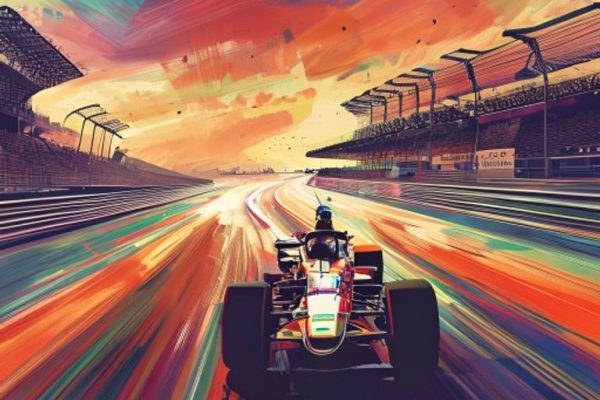





The Enduring Influence of F1 Regulations on the 2024 Season Ahead of the Miami Grand Prix
As the Formula 1 circus prepares to descend upon the vibrant city of Miami for one of the most anticipated events on the calendar, the spotlight often falls on driver rivalries, team strategies, and the spectacle of high-speed racing. However, beneath the surface of every lap and every pit stop lies the bedrock of the sport: its regulations. While significant "midseason rule changes" are a rarity in Formula 1 – with the sport favoring stability within a season and major overhauls during the off-season – the ongoing impact, interpretation, and refinement of the existing regulatory framework are constant factors shaping the competition. Understanding how these rules continue to influence car design, performance, and racing dynamics is crucial for appreciating the strategic battles that will unfold on the track in Miami.
Understanding F1’s Current Regulatory Landscape
Formula 1 introduced a sweeping set of technical regulations in 2022, designed to promote closer racing and provide greater overtaking opportunities. These rules fundamentally altered car aerodynamics, shifting the emphasis back to ground effect to generate downforce, thereby reducing the reliance on complex over-car aero elements that produced "dirty air" and made following difficult. The 2023 and 2024 seasons have seen further refinements and clarifications to these rules, aiming to fine-tune their objectives without revolutionary changes within a single championship.
Beyond the technical aspects, F1 operates under a strict set of financial and sporting regulations. The budget cap, introduced to level the playing field, limits how much teams can spend, forcing innovation within financial constraints. Sporting regulations, meanwhile, govern everything from race weekend formats and safety car procedures to penalty systems and track limits, all contributing to the fair and exciting execution of each Grand Prix.
- Aerodynamics: The core of the current technical rules emphasizes ground effect, with simplified front wings and reduced wake from rear wings, intended to allow cars to follow more closely.
- Power Units: Hybrid V6 turbo-charged engines remain central, with significant development frozen to manage costs and maintain performance parity, while eyes are already on the significant 2026 power unit regulations.
- Financial Regulations: The budget cap has reshaped team operations, promoting efficiency and potentially narrowing the performance gap between larger and smaller teams over time.
- Sporting Regulations: These encompass race procedures, parc fermé rules, tyre allocation, safety protocols, and the evolving format of Sprint weekends, all designed to ensure fair competition and safety.
The Impact on Competition and Driver Strategy
These regulations are not static; their impact is continuously observed and debated. The initial aim of closer racing has certainly yielded some spectacular battles, even if one team has often found a dominant advantage within a given year. The rules push teams to innovate within strict boundaries, leading to diverse interpretations of the regulations and a constant evolution of car concepts. This relentless pursuit of performance, even under existing rules, directly influences the competitive landscape.
For drivers, the current generation of F1 cars presents a unique challenge. While designed for closer racing, they are incredibly stiff and demanding to drive at the limit. Understanding the nuances of the car’s aerodynamic platform, managing tyre degradation under specific track conditions, and adapting to the changing grip levels throughout a race weekend are crucial skills. The regulations dictate much about how a car behaves, and drivers must master these characteristics to extract maximum performance, making precision and adaptability paramount.
The Miami Grand Prix: A Unique Context for Current Regulations
The Miami International Autodrome, with its street circuit feel and varied corner profiles, provides a fascinating test for the cars built under the current regulations. Its long straights offer opportunities for high-speed battles and DRS overtakes, while the tighter sections demand excellent mechanical grip and precise handling. How teams set up their cars to balance straight-line speed with cornering performance, within the constraints of the technical regulations, will be key to success in Miami.
While the concept of drastic "midseason rule changes" affecting F1 is generally misleading – as major overhauls are reserved for the off-season – the FIA and Formula 1 do issue "technical directives" throughout the year. These directives clarify existing rules, address potential loopholes, or ensure uniform interpretation across all teams. Such directives are not new rules but rather clarifications that ensure fair play under the established framework, and their impact can subtly influence how teams approach car development and race strategy for upcoming events like the Miami Grand Prix.
The Driver’s Continuous Adaptation
From a driver’s perspective, navigating the complexities of the current regulations is an ongoing process. Every race weekend is an exercise in understanding how the car interacts with a new circuit, different tyre compounds, and varying environmental conditions, all within the strictures of the rulebook. Drivers provide invaluable feedback to engineers, helping to optimize car setups and guide development, effectively becoming an integral part of interpreting and exploiting the regulatory landscape. Their ability to push the boundaries of performance, while respecting the limits imposed by the regulations and the track, defines their craft.
The constant interplay between driver skill, engineering ingenuity, and the framework of the regulations is what makes Formula 1 such a compelling spectacle. Every corner, every overtake, and every strategic decision made on the pit wall is ultimately a reflection of how teams and drivers operate within – and sometimes push the limits of – the current rulebook. It’s a continuous dance between constraint and creativity.
Conclusion: The Regulatory Heartbeat of F1
In essence, the regulations are the beating heart of Formula 1, providing the structure within which engineering marvels and athletic prowess can shine. As teams and drivers prepare for the thrills of the Miami Grand Prix, it’s not about adapting to sudden, revolutionary mid-season rule changes, but rather about mastering the enduring principles and subtle evolutions of the sport’s comprehensive regulatory framework. This continuous challenge ensures that Formula 1 remains at the pinnacle of motorsport, constantly evolving and delivering a spectacle defined by both speed and strategic acumen.
Source : https://www.caranddriver.com/news/a71179785/f1-midseason-rule-changes-what-to-know/