
The automotive landscape is undergoing a monumental transformation, driven primarily by the rapid advancement and adoption of electric vehicle (EV) technology. While many innovative EVs are already gracing our roads, an even larger wave of exciting new models is on the horizon, promising to redefine personal transportation. These upcoming electric vehicles are currently navigating various stages of development, from visionary concept designs and rigorous testing to advanced pre-production phases. This article delves into what consumers can expect from this next generation of EVs, exploring the journey from drawing board to dealership and acknowledging the dynamic nature of vehicle development.
The Journey from Concept to Customer
Bringing a new electric vehicle to market is a complex and multi-stage process, often spanning several years. It begins with a spark of an idea, evolving through numerous iterative phases before a vehicle is ready for mass production and consumer purchase.
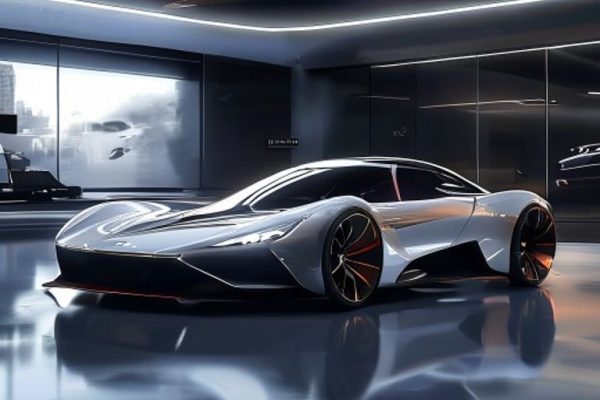
- Concept Vehicles: These initial designs, often presented at major auto shows, serve as a showcase for a manufacturer’s vision. They highlight potential design languages, advanced technologies, and future directions. While visually stunning, concept vehicles are typically not production-ready and may feature elements that are impractical or too costly for mass manufacturing. Their primary purpose is to gauge public interest and explore new possibilities.
- Prototypes and Testing: Moving beyond static displays, prototypes are where theoretical designs meet engineering reality. These early builds are subjected to extensive testing, both in controlled environments and real-world conditions. Engineers validate performance, safety, durability, and efficiency. This phase involves rigorous crash testing, battery performance evaluations, range assessments, and software integration trials, ensuring the vehicle meets all regulatory standards and performance targets.
- Pre-Production Models: As testing progresses and designs are refined, pre-production models are built. These vehicles are very close to the final production specification and are used to fine-tune manufacturing processes, identify potential assembly line bottlenecks, and conduct final quality checks. This stage is crucial for scaling up production efficiently and consistently before hundreds of thousands of units roll off the assembly line.
It is during this intricate journey that many challenges can arise, from technological hurdles and supply chain complexities to shifting market demands. While the promise of these future EVs is immense, it’s also true that some concepts, despite their initial allure, may never ultimately see the light of day due to various unforeseen circumstances or strategic shifts within the industry.
Diverse Offerings on the Horizon
The next wave of electric vehicles promises an unprecedented diversification of models, moving well beyond the initial focus on sedans and crossovers. Consumers can anticipate a broad spectrum of choices tailored to almost every need and preference.
- Expanding Segments: Expect a significant influx of electric SUVs and trucks, which are highly popular segments in many global markets. These robust EVs will offer impressive towing capabilities, off-road prowess, and ample cargo space, addressing a demand previously unmet by earlier electric models. Additionally, smaller, more agile urban commuters and purpose-built commercial vans are also in development, catering to city dwellers and businesses alike.
- Performance and Luxury: Beyond practical commuting, the electric future also holds significant promise for enthusiasts. High-performance electric sports cars and luxury grand tourers are being meticulously engineered, boasting blistering acceleration, sophisticated handling, and opulent interiors. These models aim to push the boundaries of what an electric vehicle can be, blending cutting-edge technology with exhilarating driving experiences.
- Accessibility and Affordability: Crucially, the next wave of EVs isn’t solely focused on premium segments. Many manufacturers are actively developing more accessible and affordable electric vehicles, recognizing the need to democratize EV ownership. These models aim to offer competitive pricing, decent range, and essential features, making the transition to electric mobility a viable option for a wider demographic.
Technological Leaps and User Experience
The upcoming generation of electric vehicles will not only diversify in form but also advance significantly in underlying technology and user experience, making them more appealing and integrated into daily life.
- Battery Innovations: At the heart of every electric vehicle lies its battery technology. Future EVs are expected to feature more energy-dense batteries, leading to longer driving ranges and faster charging times. Research into solid-state batteries and other advanced chemistries promises even greater improvements in safety, longevity, and performance, potentially reducing the weight and cost of battery packs.
- Software-Defined Vehicles: Modern EVs are increasingly akin to computers on wheels, with sophisticated software controlling everything from propulsion to infotainment. Future models will embrace this trend even further, offering over-the-air (OTA) updates for continuous improvements, personalized driving modes, and seamless integration with smart home ecosystems and mobile devices. The user interface will become more intuitive and customizable than ever before.
- Charging Infrastructure Evolution: As the fleet of electric vehicles expands, the robustness of the charging infrastructure becomes paramount. Future EVs are being designed to take advantage of faster public charging networks, including ultra-fast DC chargers, and will likely feature more convenient home charging solutions. Innovations in charging technology, such as bidirectional charging to power homes, are also on the horizon.
- Autonomous Driving Features: While fully autonomous driving remains a future aspiration, the next generation of EVs will integrate increasingly sophisticated driver-assistance systems. These will include enhanced adaptive cruise control, lane-keeping assistance, automated parking, and advanced collision avoidance systems, paving the way for safer and less stressful driving experiences.
Navigating the Path to Market
Bringing a new vehicle, especially an electric one, from concept to commercial viability is a complex undertaking fraught with challenges. The industry’s rapid pace means that innovation is constant, but so are the hurdles.
- Challenges and Hurdles: Manufacturers face myriad obstacles, including securing stable supplies of critical raw materials for batteries, managing volatile economic conditions, navigating evolving regulatory landscapes, and fostering consumer confidence in new technologies. Production scalability also remains a significant challenge, particularly for new entrants to the market.
- The Role of Startups vs. Established Brands: The race to innovate and capture market share is being waged on multiple fronts. Agile EV startups often bring fresh ideas and rapid development cycles, pushing the boundaries of design and technology. Meanwhile, established automotive giants leverage their immense manufacturing capabilities, extensive dealer networks, and decades of engineering expertise to bring high-quality, reliable EVs to a broad audience. Both play crucial roles in accelerating the transition to electric mobility.
- The Reality of Discontinuations: It’s an undeniable reality in the fast-paced automotive industry that not every concept or prototype will make it to full production. Factors such as shifts in market demand, unexpected technological roadblocks, insurmountable production costs, or even changes in corporate strategy can lead to the cancellation of promising projects. This dynamic nature means that while many exciting EVs are on the horizon, some may unfortunately remain as intriguing glimpses of what could have been.
What Consumers Can Anticipate
For consumers, this vibrant and evolving landscape translates into a far broader selection of electric vehicles than ever before. The future promises EVs that are more diverse in form, function, and price point, ensuring that there’s an electric option for virtually every lifestyle and budget.
- Wider Choice: Expect to see an explosion of new models across all vehicle segments, from compact city cars to rugged utility vehicles. This increased variety will empower consumers to choose an EV that perfectly aligns with their specific needs, whether that’s daily commuting, family road trips, or demanding work applications.
- Improved Performance and Efficiency: The next generation of EVs will continue to push boundaries in terms of range, charging speed, and overall performance. These vehicles will become even more practical and desirable, capable of longer journeys with less downtime for recharging, and offering exhilarating driving dynamics.
- An Evolving Ecosystem: The ownership experience is also set to evolve, extending beyond the vehicle itself to a comprehensive ecosystem of charging solutions, connectivity services, and integrated digital platforms. This holistic approach will make EV ownership more seamless and convenient, further enhancing its appeal.
The horizon is bright with the promise of these future electric vehicles. While some are still in their conceptual stages, and others are nearing the production line, the collective momentum signifies a profound and irreversible shift in automotive engineering and consumer expectations. The EVs you’ll soon be able to buy are poised to deliver a more sustainable, technologically advanced, and exhilarating driving experience, fundamentally transforming how we travel.
Source : https://www.caranddriver.com/news/g29994375/future-electric-cars-trucks/