


When Lexus launched in 1989 for the 1990 model year, it did so with a two-pronged attack: the aspirational LS400 flagship and the more accessible ES250. While the LS400 deservedly garnered headlines for its audacious challenge to established European luxury, the junior Lexus ES250 was far from merely a support act. It was a crucial component of Lexus’s initial strategy, designed to offer a taste of the new Japanese luxury brand to a broader audience, and it certainly needn’t run in anyone’s shadow.
The Genesis of a New Luxury Standard
Toyota’s decision to launch a dedicated luxury marque, Lexus, stemmed from a desire to compete in a segment where Japanese automakers were previously underrepresented. The LS400 was engineered from the ground up to redefine luxury, but Lexus understood the importance of volume and market penetration. The ES250 was tasked with this mission. Based on the successful Toyota Camry platform (specifically, the Japanese-market Camry Prominent hardtop), the ES250 was immediately labeled by some as a “tarted-up Camry.” However, such a simplistic dismissal overlooked the significant efforts Lexus undertook to distinguish its entry-level luxury sedan.
At its core, the ES250 aimed to transplant the Lexus philosophy of refinement, meticulous build quality, and exceptional customer service into a smaller, more attainable package. While sharing underpinnings, Lexus engineers and designers worked diligently to ensure the ES250 offered a distinct identity and a premium experience that went beyond a simple rebadging.
Beyond the Platform: Engineering & Design Distinctions
To dismiss the ES250 as just a Camry with a new badge misses the point of its creation. Lexus embarked on a comprehensive transformation, ensuring that while the fundamental structure was shared, nearly every visible and tactile aspect was elevated. The most apparent difference was its unique bodywork. Unlike the sedan-style Camry, the ES250 adopted a sleeker, pillarless hardtop design with frameless windows, lending it a more coupe-like, sophisticated profile distinct from its utilitarian sibling. This design choice immediately signaled a departure from mainstream Toyota offerings.
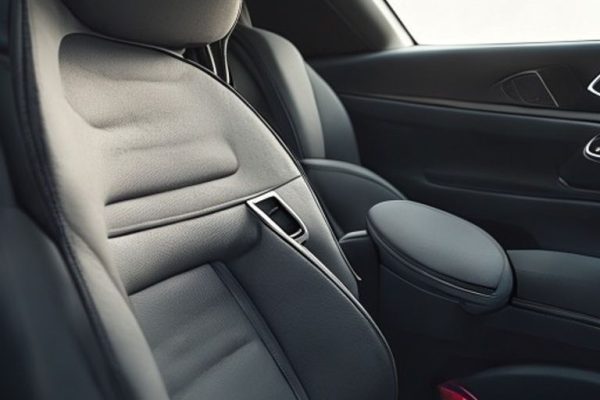
Inside, the cabin was a testament to Lexus’s commitment to luxury. Materials, fit, and finish were all a cut above. Features that were optional or unavailable on even top-trim Camrys became standard fare in the ES250. This dedication to luxury extended to crucial sensory elements:
- Interior Appointments: Plush, high-quality upholstery, often leather, was standard or a readily available option. Wood grain trim, though faux, was tastefully applied, elevating the cabin’s ambiance.
- Sound Insulation: Significant effort was invested in noise, vibration, and harshness (NVH) reduction. Additional sound deadening material, redesigned engine mounts, and careful sealing contributed to a remarkably quiet cabin for its class.
- Standard Features: Automatic climate control, a premium sound system, power-adjustable seats, and a host of convenience features were included, providing a comprehensive luxury experience out of the box.
- Engine & Powertrain: Power came from a smooth 2.5-liter 2VZ-FE V6 engine, producing 156 horsepower and 160 lb-ft of torque. While shared with higher-trim Camrys, its integration within the more refined ES250 package felt distinctly premium, paired almost exclusively with a smooth four-speed automatic transmission.
- Suspension Tuning: The suspension received specific tuning to deliver a softer, more compliant ride characteristic of luxury vehicles, prioritizing comfort over sporty pretension.
The Driving Experience
Behind the wheel, the 1990 Lexus ES250 delivered on its promise of accessible luxury. The V6 engine, while not overtly powerful, was remarkably smooth and refined, providing adequate motivation for daily driving without a hint of coarseness. The automatic transmission shifted imperceptibly, contributing to the serene driving experience. On the road, the ES250 soaked up imperfections with ease, offering a quiet and comfortable ride that belied its origins. Steering was light and precise, if not particularly communicative, favoring effortless maneuverability over aggressive sportiness. This balance resonated well with buyers seeking a relaxed, confidence-inspiring journey rather than a thrill ride.
Market Impact and Legacy
The ES250 successfully carved out a niche for Lexus. It competed against models like the Acura Integra LS/Legend, certain BMW 3-series variants, and the Mercedes-Benz 190E, often offering more standard equipment and a superior level of refinement for the price. While the LS400 captured the imagination, the ES250 quietly built a reputation for bulletproof reliability, exceptional build quality, and a genuinely pleasant ownership experience. It introduced many buyers to the fledgling Lexus brand, paving the way for the ES line to become one of Lexus’s most enduring and successful models. The ES250 proved that luxury could be attainable, reliable, and comfortable, setting the stage for subsequent generations to become a cornerstone of the brand’s identity.
Ultimately, the 1990 Lexus ES250 was far more than a mere cosmetic upgrade to an existing platform. It was a thoughtfully engineered and meticulously crafted entry into the luxury market, embodying Lexus’s initial commitment to quality, refinement, and customer satisfaction. It may have lived in the shadow of its groundbreaking big brother, the LS400, but the ES250 established its own rightful place in automotive history as a pivotal model that helped cement Lexus’s early success and shape its future direction.
Source : https://www.caranddriver.com/reviews/a70780993/1990-lexus-es250-archive-test/