

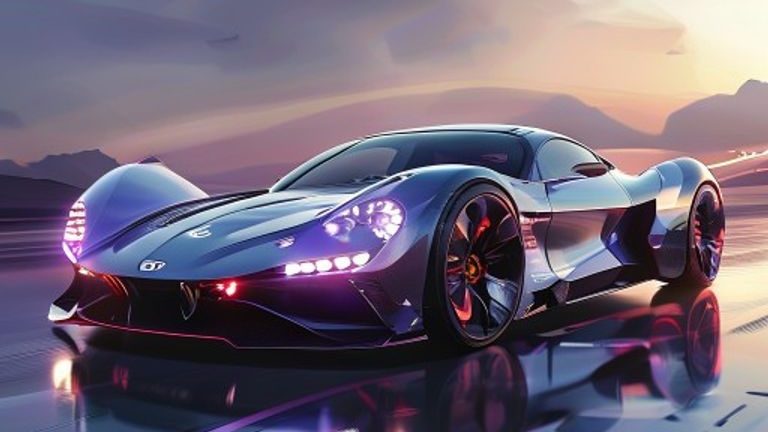
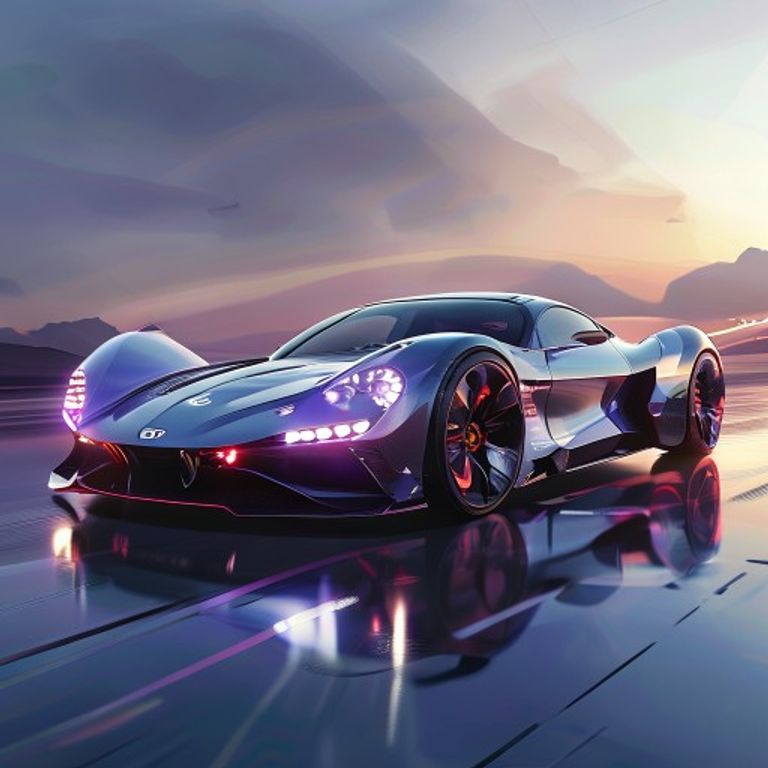
The automotive world is buzzing with the latest revelation concerning Lotus’s upcoming supercar, the Type 135. Initially envisioned as a pure electric successor to the popular Emira, the Type 135 has undergone a significant conceptual transformation. It is now being actively pitched as a formidable hybrid V-8 machine, projected to boast an astounding « nearly 1000-HP » and targeted for an arrival in 2028. This strategic pivot signals an intriguing direction for the British marque, balancing cutting-edge performance with a blend of traditional supercar allure and modern powertrain technology.
The Evolution of a Supercar Concept
From its very inception, the Lotus Type 135 was a project steeped in ambition. Early discussions and internal pitches centered on developing a fully electric vehicle intended to fill the shoes of the acclaimed Emira, representing a clear step towards a future of electrified performance for the brand. This initial direction would have seen the Type 135 join a growing roster of high-performance EVs, leveraging Lotus’s lightweighting expertise and dynamic prowess in a new, emissions-free format. The idea was to present a pure electric experience, offering instant torque and silent, potent acceleration, aligning with broader industry trends towards sustainable mobility solutions. Such a move would have underscored Lotus’s commitment to an all-electric future for its core sports car lineup, building on the legacy of its past internal combustion engine (ICE) vehicles while embracing the paradigm shift. The concept of an electric Emira replacement suggested a focus on agility and accessible high performance, albeit with an electric heart, aligning with a vision of a silent, powerful, and environmentally conscious future for the brand’s sports car segment.
A Pivotal Shift: Hybrid V-8 Power Takes Center Stage
However, the latest reports indicate a substantial and perhaps surprising change of course. The Type 135 is now emphatically being pitched as a hybrid V-8 supercar. This shift is profound, moving away from a purely electric drivetrain to one that combines the visceral thrill of a V-8 internal combustion engine with the immediate torque and efficiency benefits of electric hybridization. The « nearly 1000-HP » output figure associated with this new configuration immediately places the Type 135 squarely within the upper echelons of the supercar and hypercar segments. A power output of this magnitude promises truly breathtaking acceleration, blistering top speeds, and a driving experience that will likely challenge some of the fastest vehicles on the planet. The integration of a V-8 engine, even in a hybrid setup, harks back to a more traditional, emotive form of high-performance motoring, potentially offering a richer auditory experience and a different tactile feel compared to its previously proposed electric counterpart. This revised powertrain strategy highlights a desire to deliver unparalleled performance that resonates with both cutting-edge technology and established automotive passion.
Strategic Implications and Market Positioning
This pivot to a hybrid V-8 powertrain for the Type 135 carries significant implications for Lotus’s product strategy and its positioning within the competitive global automotive market. In an era where many manufacturers are racing towards full electrification, Lotus’s decision to embrace a high-performance hybrid V-8 for a flagship supercar suggests a nuanced approach. It indicates a recognition of the enduring appeal of the internal combustion engine, especially when paired with electrification to boost power and potentially mitigate some environmental impacts. A hybrid V-8 allows Lotus to deliver extreme performance while potentially adhering to evolving emissions regulations, something a purely V-8 engine might struggle with in the long term. This strategy could also cater to a segment of enthusiasts who still crave the emotional engagement and mechanical symphony that a multi-cylinder engine provides, even as they appreciate the performance boost from electric motors. The choice suggests a desire to offer a unique proposition, blending the best of both worlds: raw, unadulterated power and torque combined with cutting-edge hybrid efficiency and instant response, ensuring the Type 135 stands out in a crowded, high-performance landscape.
The 2028 Horizon: Anticipation Builds
The timeline for this ambitious project points to a 2028 arrival. This five-year development window is substantial, allowing Lotus ample time to engineer, test, and refine a vehicle of such complexity and performance aspiration. A 2028 launch means the Type 135 will enter a market that will undoubtedly be even more diverse and competitive than today, with both advanced electric supercars and other sophisticated hybrid machines vying for attention. The extended development period provides an opportunity for Lotus to integrate the very latest in hybrid technology, lightweight materials, aerodynamic advancements, and chassis tuning to ensure the Type 135 is not just powerful, but also delivers the exceptional handling and driving dynamics for which Lotus is renowned. It signifies a long-term commitment to the project, underscoring the serious intent behind bringing a nearly 1000-HP hybrid V-8 supercar to fruition and setting new benchmarks for performance and engagement in the process.
Lotus’s Evolving Vision for Performance
Ultimately, the Type 135 represents an exciting, albeit evolving, chapter for Lotus. While the initial electric concept for an Emira replacement indicated one path, the current pitching of a nearly 1000-HP hybrid V-8 supercar arriving in 2028 showcases a dynamic and adaptable approach to future product development. It suggests Lotus is keen to explore various avenues to deliver exhilarating performance, catering to diverse preferences while upholding its core values of innovation and driving purity. The brand’s willingness to pivot its strategy in response to market insights or technological advancements demonstrates a flexible outlook on its high-performance future. The Type 135, with its astonishing power figures and sophisticated hybrid V-8 powertrain, is poised to become a landmark vehicle for the brand, embodying a powerful blend of heritage and forward-thinking engineering.
Its highly anticipated debut in 2028 will undoubtedly be a moment keenly watched by enthusiasts and industry observers alike, eager to witness how Lotus redefines the supercar experience with this compelling new direction.
Source : https://www.caranddriver.com/news/a71281131/lotus-type-135-hybrid-v8-teaser/