

The End of an Era: Tesla Model S and Model X Conclude Production at Fremont
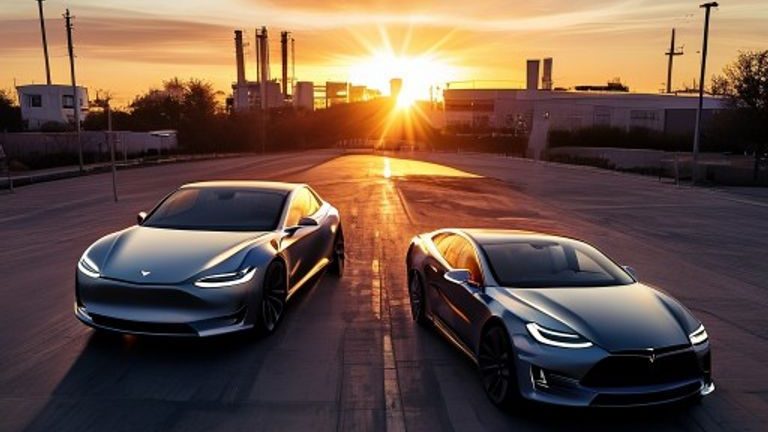
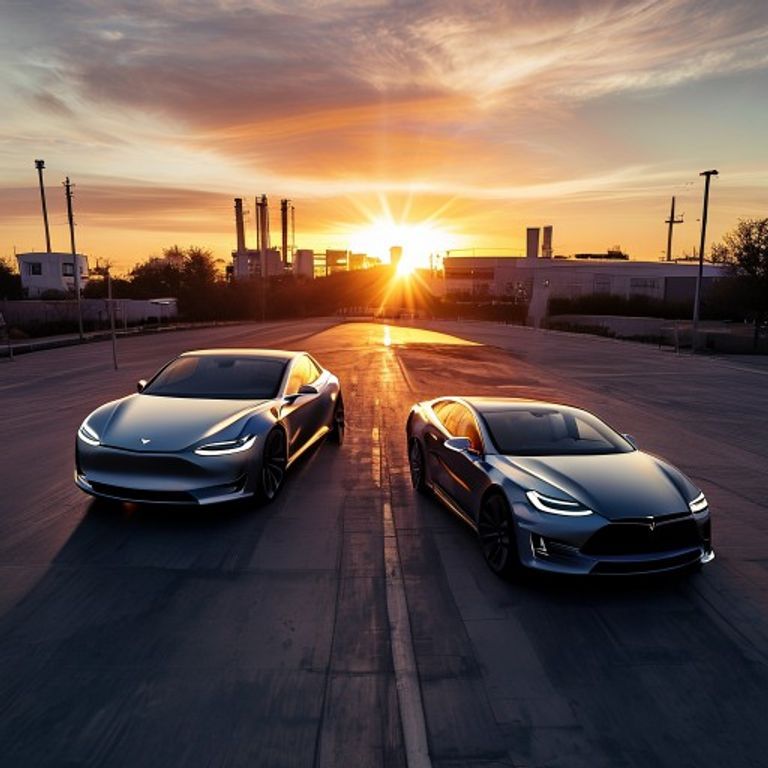
A significant chapter in automotive history has drawn to a close as the final Tesla Model S and Model X units rolled off the production line in Fremont, California. This moment marks the definitive end for two highly influential electric vehicles that fundamentally reshaped the trajectory of the automotive industry and redefined the public’s perception of electric mobility. Since their respective launches, these models have been nothing short of revolutionary, leaving an indelible mark on innovation, performance, and sustainability.
The Genesis of a Revolution: The Tesla Model S
When the Tesla Model S first debuted in 2012, it was a profound statement. It emerged from an electric vehicle landscape of mostly smaller, range-limited cars, presenting a paradigm shift: a full-sized, luxury performance sedan that challenged every preconceived notion about EVs. With its sleek design, the Model S proved that electric vehicles could be aspirational, stylish, and utterly compelling.
- Unprecedented Range and Performance: The Model S offered hundreds of miles on a single charge, making long-distance electric travel a tangible reality and effectively addressing « range anxiety. » Its blistering acceleration, often outperforming many established gasoline-powered sports cars, shattered the myth of slow electric cars.
- Pioneering Technology: The colossal 17-inch touchscreen and over-the-air (OTA) software updates, allowing continuous improvement and new features post-purchase, set new industry benchmarks.
- The Supercharger Network: The parallel development of Tesla’s proprietary Supercharger network was crucial, providing rapid charging infrastructure that mitigated range anxiety and cemented the viability of long-distance electric travel.
- Top-Tier Safety: Engineered with safety at its core, the Model S consistently achieved top ratings, demonstrating the inherent advantages of its electric platform.
The Model S didn’t just compete with luxury sedans; it redefined them, compelling traditional automakers to accelerate their own electric vehicle development and fundamentally altering the premium automotive market’s competitive landscape.
Expanding the Vision: The Tesla Model X
Following the Model S’s success, Tesla further pushed boundaries with the 2015 introduction of the Model X. This electric SUV was a daring blend of utility, luxury, and audacious design, applying the core principles of the Model S to a different, rapidly growing market segment.
- Distinctive Design and Functionality: The Model X was instantly recognizable due to its striking « Falcon Wing Doors, » which articulated upwards for easier rear-row access in tight spaces—a bold engineering feat that became a signature.
- Uncompromised Performance and Utility: Mirroring the Model S, the Model X delivered exhilarating acceleration and impressive range, proving an SUV could offer supercar-level performance, substantial cargo space, and seating for up to seven passengers.
- Advanced Safety: Maintaining Tesla’s commitment, the Model X also earned top safety ratings, a significant achievement for an SUV of its size and complexity, further underscoring the benefits of its electric platform.
The Model X demonstrated Tesla’s ambition to electrify every major vehicle segment, proving the luxury SUV market was ripe for disruption and solidifying Tesla’s position as a multifaceted EV innovator.
A Legacy of Disruption and Influence
The cessation of Model S and Model X production marks the culmination of a transformative era for Tesla and the wider automotive industry. These two vehicles were not just products; they were catalysts for change, forcing a global industry to recalibrate its priorities.
- Paving the Way for Mass Adoption: By proving that electric cars could be desirable, high-performing, and practical, the Model S and Model X laid essential groundwork. They demystified EV technology for millions and cultivated new enthusiasts, ultimately paving the way for more affordable EVs like the Model 3 and Model Y.
- Challenging Established Norms: From direct-to-consumer sales to rapid software iteration and the creation of a proprietary charging network, Tesla, through these flagship models, challenged nearly every established automotive business norm, spurring competitors to innovate and invest billions in electric strategies.
- Defining « Influential EVs »: Their influence extended beyond mere competition; they initiated a revolution. They showed that electric vehicles could lead in performance, technology, and luxury, defining a new standard for the automotive experience.
As the last Model S and Model X depart the Fremont production lines, their legacy is secured. They represent a pivotal moment in automotive history – the moment electric vehicles truly arrived and began their ascent to mainstream dominance. While these vehicles may no longer be produced, their profound influence on technology, market dynamics, and the global push towards sustainable transportation will resonate for decades to come, shaping the future of mobility long after their production lines have fallen silent.
Source : https://www.caranddriver.com/news/a71284161/tesla-model-s-x-production-end/