



The Enduring Rumor of a Toyota Compact Pickup
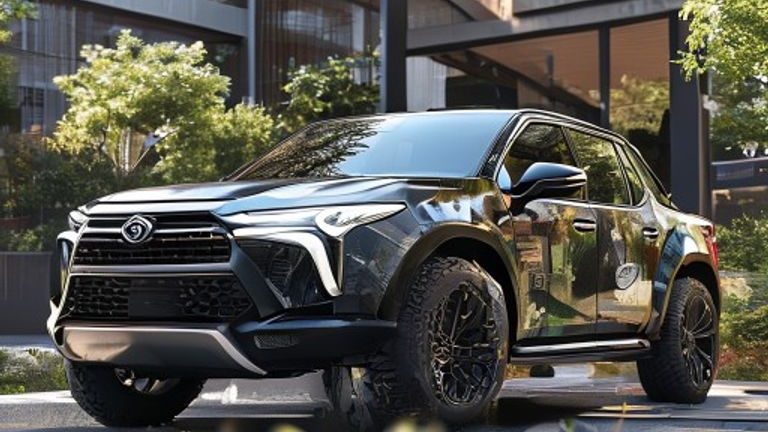
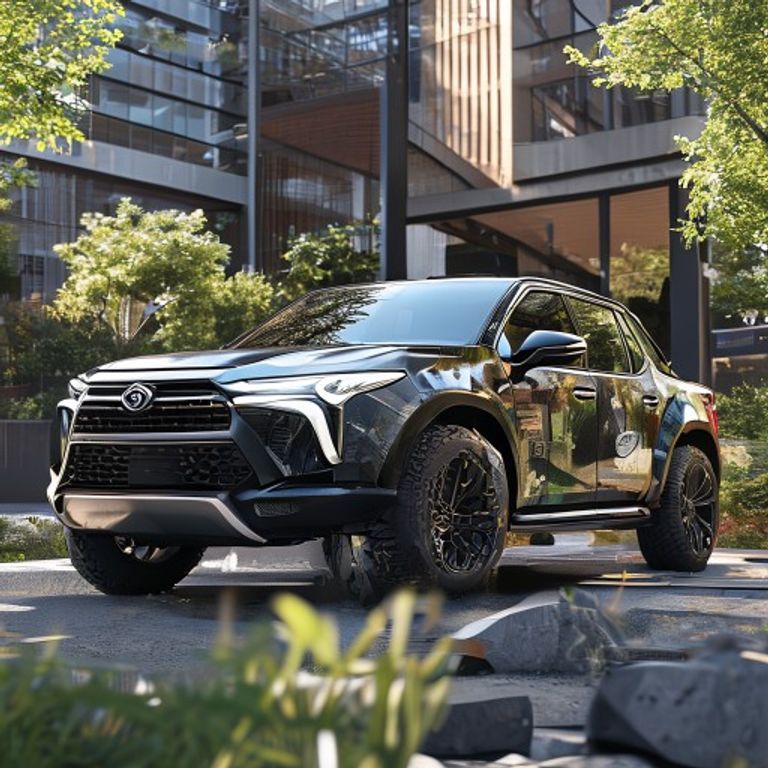
For an extended period, the automotive industry has noted that Toyota has been actively contemplating the introduction of a compact-sized pickup truck. This contemplation isn’t a new development; rather, it’s a persistent discussion fueled by evolving market demands and the success of new entrants in this burgeoning segment. While Toyota has maintained a discreet stance on its future product plans, the ongoing speculation highlights a significant area of potential expansion for the brand, particularly concerning the foundational architecture such a vehicle might utilize.
The idea of a compact Toyota truck carries considerable weight, given the brand’s legendary status in the pickup market worldwide. Toyota’s trucks are synonymous with reliability and durability, and any move into a new segment is closely watched. The conversation around a smaller truck has intensified as competitors demonstrate a clear demand for more versatile, urban-friendly, and often unibody-based pickup solutions, prompting questions about how Toyota might approach such a project and what form its foundation would take if it were to materialize.
The Resurgence of the Compact Truck Market
Historically, the truck market in North America saw a steady increase in vehicle size, with compact pickups largely fading from the scene in favor of larger mid-size and full-size options. However, recent years have witnessed a notable shift. A new generation of buyers, often living in urban or suburban environments, has expressed a clear appetite for vehicles that offer the utility of an open bed without the bulk, higher cost, or lower fuel economy associated with traditional body-on-frame trucks. This demographic seeks a vehicle that blends passenger comfort and maneuverability with practical hauling capabilities.
This market resurgence is vividly illustrated by the successful introductions of models like the Ford Maverick and Hyundai Santa Cruz. These vehicles have carved out significant niches by offering car-like driving dynamics, respectable fuel efficiency (often including hybrid options), and a more accessible price point than their larger counterparts. Their success underscores a robust demand for trucks that prioritize lifestyle versatility over heavy-duty towing and off-road prowess. It is against this backdrop of demonstrated market viability that Toyota’s sustained interest in a compact pickup gains renewed urgency and attention, as the brand would undoubtedly aim to deliver a compelling offering in a segment where it once excelled with smaller, rugged trucks.
Toyota’s Truck Legacy and Future Directions
Toyota’s heritage in the truck segment is formidable and deeply rooted. The Tacoma dominates the mid-size pickup market, consistently leading sales thanks to its reputation for bulletproof reliability, strong resale value, and off-road capability. The full-size Tundra also holds a significant share, competing fiercely with domestic giants. Given this strong position, any new truck introduction from Toyota is carefully considered to complement, rather than cannibalize, its existing lineup. A compact truck would need to be strategically positioned to attract a different buyer, perhaps one who finds the Tacoma too large or too specialized for their daily needs.
Toyota’s commitment to innovation extends across its entire vehicle portfolio, including a strong push towards electrification and hybrid powertrains. Should a compact truck come to fruition, it is highly probable that it would incorporate Toyota’s advanced hybrid technology, aligning with the company’s broader environmental goals and catering to consumer demand for more fuel-efficient options. The company’s global platform strategy also plays a crucial role, allowing for flexibility and efficiency in developing new models. The contemplation of a compact pickup is thus not just about filling a market gap but also about leveraging Toyota’s technological advancements and manufacturing efficiencies.
Decoding the Platform Speculation: The Unibody Advantage
The core of much of the recent speculation revolves around the potential foundation of a compact Toyota pickup. Traditional trucks like the Tacoma and Tundra utilize a body-on-frame construction, known for its robustness, towing capacity, and off-road durability. However, the emerging compact pickup segment largely favors unibody construction, where the body and frame are integrated into a single structure. This design offers several advantages for a lifestyle-oriented truck, including improved ride comfort, better fuel economy dueater weight, enhanced passenger safety in collisions, and typically lower manufacturing costs due to shared platforms with passenger cars or SUVs.
If Toyota were to pursue a unibody compact pickup, it would be logical for the company to leverage one of its existing, highly successful unibody architectures. This approach capitalizes on economies of scale, proven engineering, and established manufacturing processes. Among Toyota’s robust platforms, the TNGA-K (Toyota New Global Architecture – K-segment) platform stands out as a prime candidate for industry speculation. This platform underpins a multitude of popular Toyota vehicles, including the bestselling RAV4 SUV, Camry sedan, Highlander SUV, and Sienna minivan. The RAV4, in particular, has garnered immense success globally due to its versatility, comfortable ride, and available hybrid powertrains.
- Proven Reliability: The TNGA-K platform is already well-established for its structural integrity and performance across millions of vehicles.
- Hybrid Integration: It is designed to accommodate various powertrains, including Toyota’s highly efficient hybrid systems, which would be a significant draw for a compact truck.
- Economies of Scale: Utilizing an existing platform would streamline development and production, potentially allowing for a more competitive price point.
- Passenger Comfort: Vehicles built on TNGA-K are known for their refined driving dynamics and comfortable interiors, attributes highly desirable in a modern compact pickup.
- Global Adaptability: The platform’s flexibility allows for adaptation to different vehicle types and market requirements, making it suitable for a diverse new product.
The notion that a potential compact Toyota pickup could draw from the RAV4’s foundation is therefore rooted in logical assumptions about platform sharing within a major automaker, particularly one with Toyota’s strategic approach to vehicle development. This would allow Toyota to enter the segment with a vehicle that embodies car-like comfort and efficiency while offering practical utility.
What a Compact Toyota Truck Could Offer
A hypothetical compact Toyota pickup, potentially leveraging a unibody platform, would likely aim to deliver a compelling blend of attributes tailored to the modern buyer. It would offer the inherent practicality of an open cargo bed in a more manageable footprint than current mid-size trucks, making it ideal for urban living and weekend adventures. The inclusion of Toyota’s advanced hybrid technology would provide class-leading fuel efficiency, reducing running costs and environmental impact, a crucial factor for many consumers today. Such a vehicle could also boast a more refined interior, advanced infotainment systems, and comprehensive safety features typical of Toyota’s passenger car and SUV lineups.
The target demographic for such a truck would likely include young professionals, small business owners, and active individuals who appreciate versatility without needing extreme towing or payload capabilities. It could serve as an accessible entry point into the Toyota truck family, potentially attracting new customers to the brand. Furthermore, it would offer a compelling alternative to crossover SUVs for those who occasionally require the utility of an open bed for hobbies, home improvement projects, or sporting equipment.
The Road Ahead: Remaining Speculative
Despite the persistent discussions and compelling market logic, it is crucial to reiterate that Toyota has not made any official announcements regarding the development of a specific compact pickup model or its underlying platform. Manufacturers continuously explore various concepts and market opportunities, and such internal contemplations may or may not translate into production vehicles. The automotive industry is dynamic, with plans evolving rapidly in response to technological advancements, regulatory changes, and shifting consumer preferences.
Nevertheless, the anticipation surrounding a potential compact Toyota pickup remains high. Given Toyota’s reputation for quality, innovation, and responsiveness to market trends, a venture into this revitalized segment could prove highly successful. For now, the prospect of a new, smaller Toyota truck continues to be a topic of keen interest and ongoing speculation among enthusiasts and industry observers alike, eagerly awaiting any official confirmation of what could be a significant addition to the brand’s legendary lineup.
Source : https://www.caranddriver.com/news/a71296311/toyota-rav4-based-compact-truck-report/