

The Evolving Landscape of the Mid-Size SUV: Introducing the 2026 Hyundai Santa Fe XRT
In the highly competitive mid-size SUV segment, manufacturers continuously refine their offerings. Hyundai is preparing to introduce the 2026 iteration of its popular Santa Fe, with a strategic update focused on its nonhybrid powertrain. This signals a deliberate shift in priorities, especially for the rugged XRT trim, as it carves out its niche amidst the distinct market presence of its larger sibling, the Hyundai Palisade. This recalibration for 2026 underscores a broader industry trend where efficiency and refinement often take precedence, sometimes adjusting outright performance.
The 2026 Hyundai Santa Fe’s arrival is noteworthy for its updated nonhybrid powertrain, integrating a new eight-speed automatic transmission. This upgrade from its predecessor represents a significant engineering effort, primarily aimed at optimizing the vehicle’s driving characteristics and overall efficiency. More gear ratios typically allow an engine to operate within its most efficient RPM range, translating directly into improved fuel economy across various driving conditions, from city commutes to highway cruising.
Strategic Powertrain Refinements: The New Eight-Speed Automatic
The adoption of an eight-speed automatic transmission is a common strategy to enhance both the driving experience and the environmental footprint of vehicles. For the 2026 nonhybrid Santa Fe, this technological leap is central to its refreshed identity, demonstrating Hyundai’s commitment to continuous improvement. Key benefits of this updated transmission generally include:
- Wider Spread of Ratios: Compared to transmissions with fewer gears, an eight-speed unit provides a broader range, optimizing engine performance across various speeds.
- Enhanced Fuel Efficiency: Taller upper gears allow for lower engine RPMs at highway speeds, directly contributing to improved fuel economy.
- Smoother Shifts: Closer spacing between gears facilitates more seamless and refined power delivery, enhancing passenger comfort.
- Optimized Engine Operation: The ability to keep the engine within its most efficient RPM range for a greater proportion of the driving cycle maximizes efficiency.
Beyond mere gear count, advanced automatic transmissions integrate sophisticated control software adapting to driving styles and conditions, optimizing shift points for efficiency. In the 2026 Santa Fe, the primary directive appears to be efficiency. This emphasis on reducing fuel consumption responds directly to consumer demand for lower running costs and increasingly stringent global emissions regulations. By refining the transmission, Hyundai aims to deliver a compelling package balancing practicality with modern automotive engineering.
The Performance-Efficiency Trade-off: Slower But More Fuel Efficient
One of the most striking outcomes of the 2026 Santa Fe’s powertrain update is the reported trade-off: the nonhybrid variant is now described as « slower but more fuel efficient. » This statement encapsulates a fundamental engineering compromise. Achieving superior fuel economy often involves adjustments to engine tuning, transmission calibration, and sometimes even vehicle weight or aerodynamics, which can collectively impact acceleration. In this instance, Hyundai has prioritized efficiency gains over outright speed for the nonhybrid Santa Fe. For many drivers, particularly those using their SUV for daily commuting and family duties, improved fuel efficiency often holds greater value than marginal gains in acceleration.
The pursuit of better fuel economy is a clear indicator of market trends. With fluctuating fuel prices and growing environmental consciousness, economical vehicles are highly sought after. While some might lament a decrease in performance, the broader market often favors reduced running costs. This strategic decision by Hyundai suggests a calculated move to appeal to a larger segment of buyers who prioritize long-term savings at the pump and a smaller carbon footprint, positioning the nonhybrid 2026 Santa Fe as a sensible, economical choice in a segment where practicality is paramount.
The XRT Trim and the Palisade’s Shadow
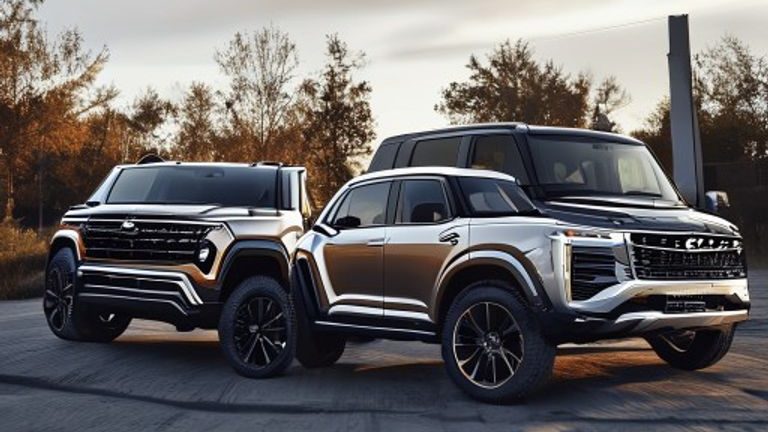
The specific mention of the Santa Fe XRT trim further clarifies the 2026 model’s positioning. Hyundai’s XRT designation typically denotes a rugged, adventurous aesthetic, often featuring unique exterior styling elements, blacked-out trim, and sometimes minor off-road-inspired enhancements. While these visual cues suggest a robust character, the underlying shift towards increased efficiency for the nonhybrid Santa Fe XRT highlights that even models designed with an adventurous spirit align with the push for greener, more economical operations. The XRT still promises a distinctive look, but its core mechanical updates align with broader efficiency goals.
However, the title’s observation that the Santa Fe XRT « lives in the Palisade’s shadow » provides crucial context regarding its market positioning. The Hyundai Palisade is the brand’s larger, three-row flagship SUV, typically offering more interior space, a more premium feel, and often more powerful engine options. When a smaller, albeit capable, sibling like the Santa Fe XRT is described as being in the « shadow » of another model within the same brand, it often implies a difference in perceived status, market focus, or even sales volume. The Palisade caters to buyers seeking maximum space, luxury, and on-road presence, potentially drawing attention away from the slightly smaller and perhaps less overtly luxurious Santa Fe.
This dynamic does not diminish the Santa Fe XRT’s appeal but rather defines its target audience. The Santa Fe, even with its updates, likely appeals to those who may not need the full three rows of the Palisade or prefer a slightly more maneuverable vehicle for urban environments and light adventuring. Its focus on improved fuel efficiency further solidifies its value proposition for those seeking a practical, capable, and now more economical mid-size SUV. While the Palisade might capture the spotlight for its commanding size and premium features, the 2026 Santa Fe XRT aims to stand out with its thoughtful balance of utility, efficiency, and distinctive style.
Conclusion: A Calculated Evolution for the 2026 Santa Fe XRT
The 2026 Hyundai Santa Fe XRT, with its updated eight-speed automatic transmission and resulting shift towards improved fuel efficiency at the expense of outright speed, represents a calculated evolution for the popular SUV. This strategic move aligns the nonhybrid Santa Fe with contemporary automotive priorities, addressing consumer desires for lower running costs and Hyundai’s commitment to environmental stewardship. While it navigates the competitive landscape and the imposing presence of its larger stablemate, the Palisade, the Santa Fe XRT distinguishes itself by offering a compelling blend of rugged aesthetics, practical utility, and enhanced economy. It reaffirms its position as a relevant and appealing option for buyers seeking a well-rounded mid-size SUV that intelligently adapts to modern expectations.
Source : https://www.caranddriver.com/reviews/a71140174/2026-hyundai-santa-fe-xrt-test/