



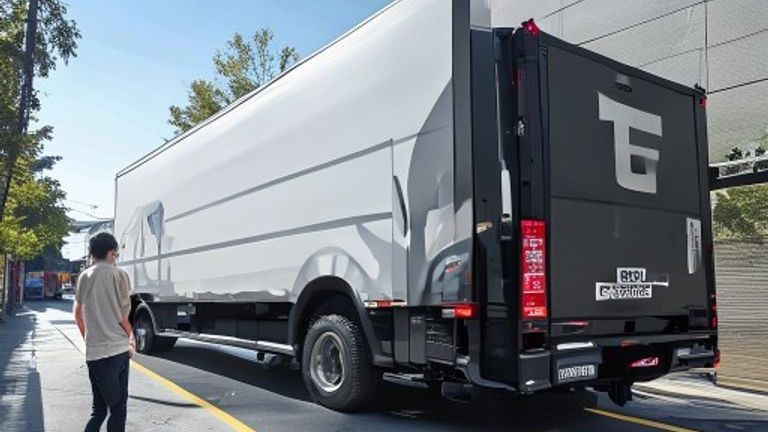
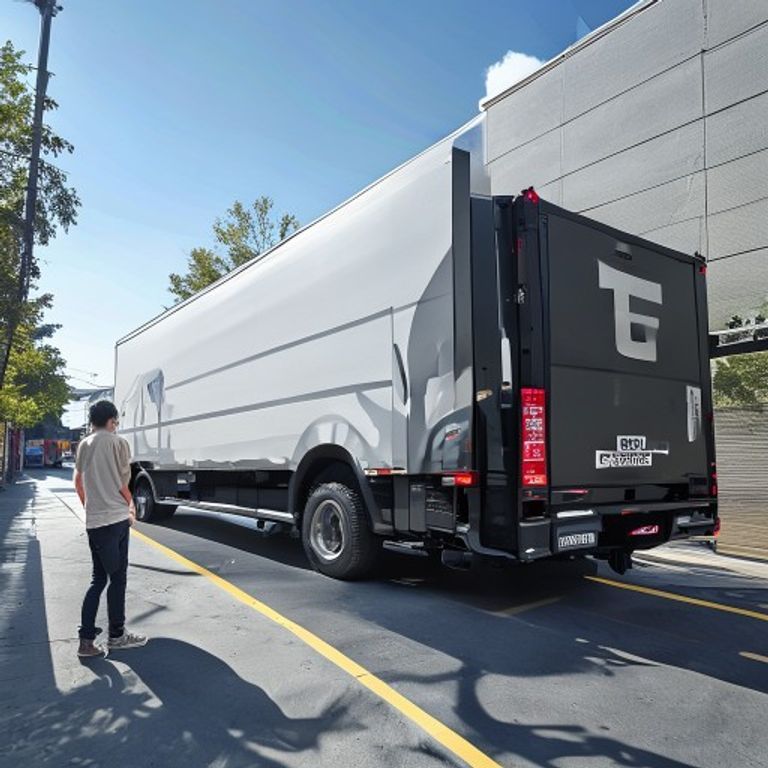
U-Haul, a prominent name in the moving rental industry, is making headlines with its latest offering: a 29-foot box truck designed to be the largest vehicle available for rent without requiring a Commercial Driver’s License (CDL). This new addition to their fleet marks a significant development for individuals and businesses seeking maximum hauling capacity without the complexities and additional training associated with commercial licensing.
The introduction of a 29-foot non-CDL box truck positions U-Haul at the forefront of the do-it-yourself moving and transportation market. For years, customers have sought larger rental options to accommodate extensive household moves, significant business inventory transfers, or specialized equipment hauling. This new vehicle aims to meet that demand, pushing the boundaries of what is typically available to the general public, all while adhering to the regulatory framework for standard driver’s licenses.
Navigating the CDL Threshold: What It Means for Renters
Understanding the implications of a non-CDL vehicle is crucial. A Commercial Driver’s License is mandated for operating specific types of large, heavy, or hazardous material-carrying vehicles. The requirements typically hinge on the vehicle’s Gross Vehicle Weight Rating (GVWR) or Gross Combination Weight Rating (GCWR), which often fall around 26,001 pounds. By offering a 29-foot truck that remains within the non-CDL classification, U-Haul provides immense utility to a broader segment of the population.
This careful engineering and classification allow everyday drivers to access a vehicle size previously reserved for professional truckers. It means that individuals planning a move from a large home, or small businesses needing to transport substantial quantities of goods, can do so themselves without the significant time and financial investment required for CDL training and certification. This democratizes access to serious hauling power, potentially saving customers thousands of dollars in professional moving costs or specialized freight services.
Who Benefits Most from U-Haul’s New Offering?
The target audience for this 29-foot non-CDL box truck is broad, encompassing various needs and scenarios:
- Large Residential Moves: Families relocating from substantial homes, often involving furniture, appliances, and numerous boxes, will find the cavernous space invaluable. It minimizes the number of trips required, saving time, fuel, and effort.
- Small to Medium-Sized Businesses: Companies transporting inventory, equipment for events, construction materials, or products to different locations can significantly reduce logistics costs. It offers an agile alternative to hiring a dedicated freight service for every move.
- Event Coordinators and Contractors: Professionals in these fields often need to move bulky items like staging equipment, sound systems, tools, or building materials. The 29-foot truck provides ample room for these specialized needs.
- DIY Enthusiasts and Hobbyists: Those with large projects, such as restoring classic cars, moving large machinery, or transporting substantial collections, now have a viable self-service option.
The economic advantage of renting such a large vehicle for a single, comprehensive move often outweighs the alternative of making multiple trips with a smaller truck or paying for a full-service moving company. It empowers the renter with control over their schedule and belongings.
Practical Considerations for Driving a 29-Foot Box Truck
While the absence of a CDL requirement makes this truck accessible, driving a vehicle of this magnitude demands respect and preparation. A 29-foot box truck is significantly longer and heavier than a standard passenger car or even smaller rental trucks. Drivers should be aware of several critical factors:
- Maneuverability: The extended length impacts turning radius, making tight corners and parking lots challenging. Wide turns are essential to avoid hitting curbs or other obstacles.
- Blind Spots: Large box trucks inherently have larger blind spots, particularly on the sides and directly behind the vehicle. Regular use of mirrors and, if equipped, backup cameras is paramount.
- Braking Distance: The increased weight means longer braking distances, especially when the truck is fully loaded. Drivers must maintain a greater following distance than they would in a car.
- Overhead Clearance: Drivers must always be aware of the truck’s height and plan routes to avoid low bridges, overpasses, drive-thru awnings, and tree branches. Ignoring clearance warnings can lead to significant damage and danger.
- Weight Distribution: Proper loading of the truck is vital for safe handling. Distributing weight evenly and securing items prevents shifting during transit, which can affect steering and stability.
- Fuel Consumption: Larger engines required to move these vehicles, combined with their substantial weight and aerodynamic profile, typically result in lower fuel economy compared to smaller vehicles. Renters should budget accordingly for fuel costs.
U-Haul, like other rental companies, typically provides guidelines and safety tips for operating their vehicles. It is highly advisable for renters to familiarize themselves with these recommendations and, if possible, take a short practice drive before embarking on a long journey or navigating complex urban environments.
The Competitive Landscape and U-Haul’s Strategy
The moving rental market is highly competitive, with players like Penske, Budget, and Ryder also offering a range of box trucks. U-Haul’s decision to introduce a 29-foot truck that doesn’t require a CDL reflects a strategic move to differentiate itself and capture a larger share of customers who need maximum space without commercial licensing. It underscores a continuous innovation within the industry to cater to evolving consumer demands for more capacity and convenience.
This new truck underscores the company’s commitment to providing solutions that simplify the moving process. By offering a vehicle that effectively bridges the gap between typical consumer rental trucks and full-sized commercial vehicles, U-Haul is empowering a new segment of movers and businesses. It’s an affirmation of the enduring popularity of the DIY moving model, providing tools that allow customers to undertake even the most substantial relocation projects on their own terms.
In conclusion, U-Haul’s new 29-foot box truck represents a significant advancement in the non-CDL rental segment. It offers unprecedented space and utility for a wide array of customers, from large families to growing businesses. While the sheer size demands careful handling and preparation, its availability without a CDL opens up new possibilities for efficient, self-managed transportation of massive loads. This strategic move by U-Haul is set to redefine expectations for what’s achievable in the world of DIY moving and hauling.
Source : https://www.caranddriver.com/news/a71377185/u-haul-peterbilt-29-foot-box-truck-revealed/