

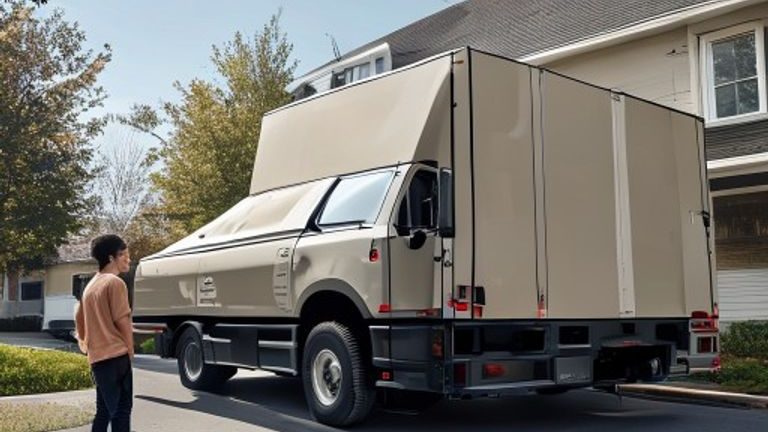
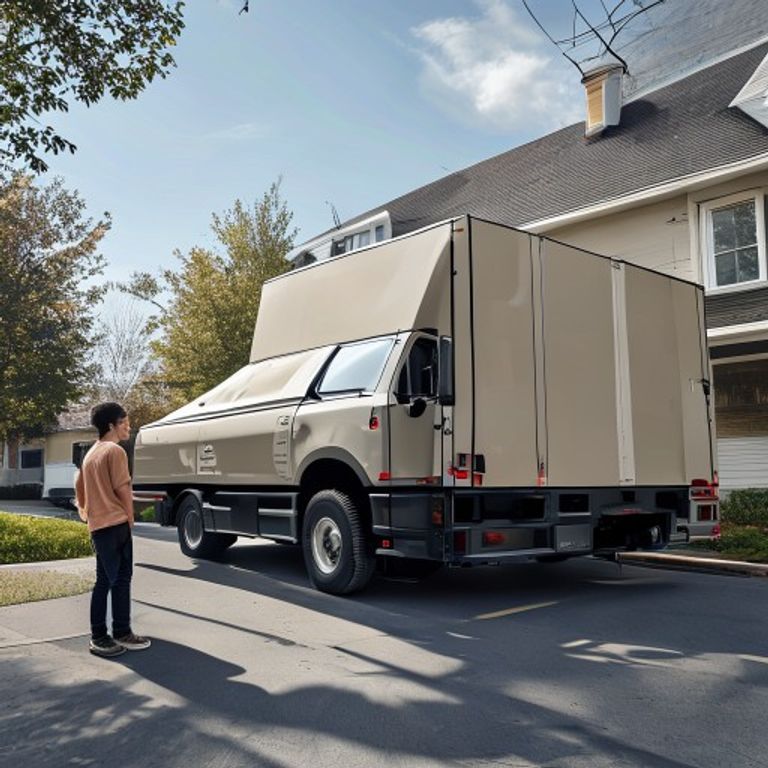
The allure of commanding a substantial moving vehicle, one capable of swallowing the contents of an entire residence in a single trip, without the need for a specialized commercial driver’s license (CDL), is undeniable. The concept of a rental box truck, perhaps one stretching to an impressive 29 feet, positioned as the largest readily available to the general public without specialized licensing, taps directly into this widespread desire. While specific fleet offerings from rental companies are subject to continuous updates and regional availability, the ambition to provide maximum cargo capacity within non-CDL limits is a consistent goal across the moving rental industry. This aspiration allows everyday drivers to experience a glimpse of what some might call a ‘Peterbilt fantasy’ – the power and presence of a large truck – for their moving needs, while remaining within legal bounds for a standard driver’s license.
The CDL Threshold: Navigating Legal Limits
Understanding what dictates the need for a CDL is crucial for anyone considering renting a large moving truck. In the United States, a CDL is generally required for:
- Any single vehicle with a Gross Vehicle Weight Rating (GVWR) of 26,001 pounds or more.
- A combination of vehicles with a Gross Combination Weight Rating (GCWR) of 26,001 pounds or more, provided the GVWR of the vehicle(s) being towed is more than 10,000 pounds.
- Vehicles designed to transport 16 or more passengers (including the driver).
- Vehicles used to transport hazardous materials in quantities requiring placarding.
For most personal or small business moves, the GVWR is the primary factor. Rental companies like U-Haul, Penske, and Budget painstakingly engineer and select their truck fleets to ensure that their largest offerings — typically up to 26 feet in length — remain comfortably below the 26,001-pound GVWR threshold. This strategic design allows them to rent these massive vehicles to individuals holding only a standard Class D driver’s license, significantly broadening their customer base. The notion of a 29-foot truck adhering to these non-CDL requirements implies a delicate balance of engineering to maximize cargo volume while minimizing the vehicle’s empty weight and respecting axle load limits to keep its GVWR below the critical legal threshold.
The Appeal of Maximum Capacity: Why Go Big?
The motivation behind seeking the largest possible rental truck, such as one claiming to be 29 feet long, is straightforward: efficiency and convenience. For substantial moves, particularly those involving multi-bedroom homes, large apartments, or small businesses relocating inventory and equipment, maximum cargo space translates directly into fewer trips. This reduces fuel costs, saves time, and minimizes the physical exertion associated with multiple loading and unloading cycles. The ability to complete a move in a single journey, rather than two or three, is an invaluable benefit, especially when moving across long distances.
- Fewer Trips: A larger truck means consolidating more items, reducing the number of round trips between locations.
- Time Savings: Less time spent driving back and forth, and less time loading/unloading overall.
- Cost Efficiency: Potentially lower fuel costs and rental duration, despite a higher daily rate for a larger truck.
- Stress Reduction: Streamlining the moving process can significantly reduce the inherent stress of relocation.
For those undertaking a significant life event like a cross-country move, the promise of a single, encompassing vehicle provides peace of mind, knowing that almost everything can be transported together.
Driving a Behemoth: Skills and Considerations
While the absence of a CDL requirement makes these colossal trucks accessible, it does not diminish the inherent challenges of operating such a large vehicle. A 29-foot box truck, or even the more common 26-foot models, demands a heightened level of awareness, skill, and caution from the driver. These are not everyday passenger cars, and their driving dynamics are vastly different.
Key considerations for operating a maximum-length rental truck include:
- Turning Radius: The extended wheelbase results in a much wider turning circle, requiring careful planning for turns, especially in tight urban environments or residential streets.
- Blind Spots: Large side mirrors are essential, but extensive blind spots persist, particularly along the sides and directly behind the truck. Regular use of spotters and extreme vigilance is paramount.
- Braking Distance: A heavily loaded truck requires significantly more distance to stop than an empty one or a passenger vehicle. Drivers must anticipate traffic and maintain greater following distances.
- Overhead Clearances: The height of these trucks (often over 12 feet) becomes a critical factor. Low bridges, drive-thru overhangs, gas station canopies, and tree branches can pose serious hazards.
- Parking: Finding suitable parking spaces can be a monumental challenge, often requiring multiple standard spots or designated truck parking areas.
- Wind Resistance: The large, flat sides of a box truck make it susceptible to crosswinds, which can necessitate continuous steering corrections, especially at highway speeds.
- Fuel Economy: Expect significantly lower miles per gallon compared to a typical vehicle, especially when loaded.
Despite these challenges, modern rental trucks often come equipped with automatic transmissions, power steering, anti-lock brakes, and sometimes even backup cameras, all designed to make the driving experience as manageable as possible for the non-professional. However, a respectful understanding of the vehicle’s limitations and a commitment to cautious driving are indispensable.
The Engineering Behind Non-CDL Giants
The ability to offer a truly large box truck that doesn’t require a CDL is a testament to clever engineering and strategic vehicle specification. Manufacturers often start with a commercial chassis designed to handle substantial loads, then adapt it to meet the specific requirements of the rental market. This involves selecting lighter-weight materials for the box body itself, optimizing the engine and drivetrain for efficiency rather than raw towing power (which might increase GVWR), and carefully calculating the vehicle’s empty weight to leave sufficient payload capacity while staying under the 26,001-pound limit.
These trucks are typically built on robust chassis from manufacturers like Ford, GM, or International, but they are often configured with single rear axles and less powerful engine options than their full-commercial counterparts. The focus is on reliability, ease of maintenance, and above all, compliance with regulations that allow non-CDL holders to operate them safely and legally. This balance of capacity, accessibility, and regulatory adherence defines the segment of maximum-length rental box trucks.
Conclusion: Balancing Capacity with Accessibility
The existence, or even the concept, of a 29-foot rental box truck that can be driven without a CDL represents the ultimate sweet spot for many movers: maximum utility without maximum licensing requirements. It promises the thrill and efficiency of commanding a truly large vehicle, fulfilling that ‘Peterbilt fantasy’ for a weekend, while remaining within the realm of standard driving privileges. However, this convenience comes with the responsibility of understanding and respecting the unique operational demands of such a leviathan. For those with a significant amount to move and the confidence to navigate a large vehicle, these unlicensed giants offer an unparalleled solution, bridging the gap between personal moving needs and commercial-grade capacity.
Source : https://www.caranddriver.com/news/a71377185/u-haul-peterbilt-29-foot-box-truck-revealed/