


Evaluating Tesla’s Full Self-Driving Beta: A Comprehensive Test
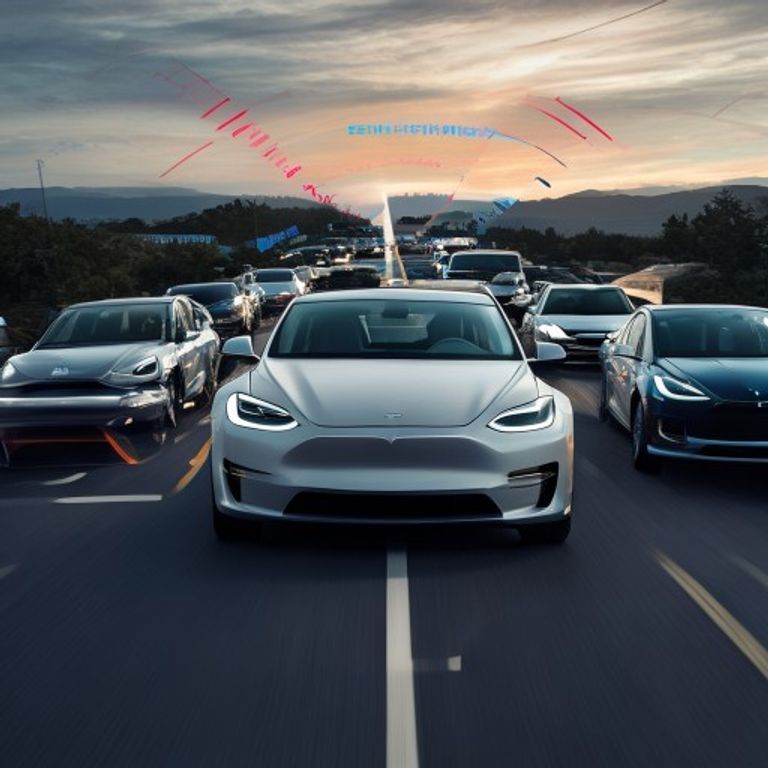
The automotive landscape is continually shaped by advancements in driver-assistance systems, with Tesla’s Full Self-Driving (FSD) Beta an ambitious offering. To thoroughly assess its capabilities, we undertook an extensive real-world evaluation using a Tesla Model Y, immersing ourselves in its operational parameters across varied road networks.
Our testing was exhaustive, covering virtually every traffic situation a driver might encounter. This included bustling urban centers, stop-and-go highway congestion, and open-road cruising. We observed its behavior across diverse scenarios, from complex intersections to residential streets. This comprehensive engagement across a full spectrum of driving conditions provided a deep, practical understanding of how FSD Beta performed when confronted with the myriad demands of everyday driving, focusing on consistency and adaptability.
The Unforeseen Primary Critique: The Name Itself
After extensive driving, engaging with the system in every conceivable traffic situation, a singular conclusion emerged. It wasn’t a technical glitch or operational failure that stood out as our primary critique. Instead, the aspect we liked least, our most significant point of contention, was the very name: "Full Self-Driving."
This terminology presents a fundamental disconnect between its implicit promise and current reality. FSD Beta is a Level 2 driver-assistance system, requiring continuous, active human supervision. The term "Full Self-Driving" suggests autonomy beyond this, implying full vehicle operation without intervention. This semantic gap is more than marketing; it carries significant consequences for user understanding, safety, and broader acceptance of autonomous technology.
Deconstructing "Full Self-Driving": A Misnomer with Consequences
The problems arising from the "Full Self-Driving" moniker are multifaceted and deeply impactful, extending beyond simple semantics to critical aspects of user safety, regulatory clarity, and public perception. Key concerns include:
- Unrealistic Expectations: The name implies Level 5 autonomy, which the current Level 2 system does not possess, setting expectations the technology cannot meet and potentially leading to user misunderstanding.
- Potential for Driver Complacency: Suggesting the car can drive itself fully could foster a false sense of security. Drivers might mistakenly divert attention from the road, a dangerous proposition given the continuous human oversight required.
- Regulatory Ambiguity: For regulatory bodies, such aspirational naming complicates efforts to establish clear standards for autonomous vehicles. It blurs lines between actual capability and implied function, hindering policy development.
- Erosion of Public Trust: When a system labeled "Full Self-Driving" still requires frequent driver intervention, it can diminish public confidence in autonomous technologies. Human takeovers might be perceived as failures if expectations are too high.
- Ethical Communication Responsibility: Developers of safety-critical automotive systems have an ethical obligation to communicate capabilities and limitations with absolute clarity. Misleading nomenclature, however unintentional, can have serious real-world safety implications.
These points underscore that the issue with the name is critical. It influences how users interact with the technology, how regulators approach its oversight, and how the public perceives the progress of autonomous driving. Language chosen for advanced systems profoundly impacts safety and adoption.
Beyond the Label: The System’s Performance Across Diverse Scenarios
Crucially, our extensive testing of the Tesla Model Y with FSD Beta through every imaginable traffic situation did not yield a primary critique rooted in the system’s functional inability to perform. The system demonstrated considerable sophistication and capability in managing a wide array of driving tasks. Its performance across diverse environments—from congested urban areas to free-flowing highways—was consistently observed, allowing a comprehensive understanding of its operational envelope. The critical takeaway was not a fundamental flaw in its execution, but the stark contrast between the system’s advanced driver-assistance reality and the ambitious promise of its name.
That the name emerged as the single most disliked aspect, overshadowing any specific operational shortcomings during this broad evaluation, speaks volumes. It reinforces that while the technology advances rapidly, how it is presented and understood by users is equally vital. The system’s ability to operate and provide assistance across the full spectrum of traffic situations, without presenting other pervasive issues that eclipsed the naming concern, confirms robust core technical functionality. The challenge lies in communication and alignment: ensuring external perception matches internal capability, fostering safer, more informed interactions with cutting-edge automotive innovations.
Conclusion: The Power and Peril of Language in Autonomy
Our comprehensive evaluation of the Tesla Model Y’s Full Self-Driving Beta, undertaken in every conceivable traffic situation, led to a singular, potent conclusion: the most significant concern we encountered was its name. This finding is not a minor detail but a critical commentary on responsible development and deployment of advanced driver-assistance systems. The term "Full Self-Driving" generates expectations that current Level 2 technology cannot fulfill, potentially leading to driver confusion, over-reliance, and compromised safety.
The future success and safe integration of autonomous driving technologies depend not only on technical prowess but on transparent and accurate communication. Manufacturers must choose nomenclature that precisely reflects capabilities and limitations, empowering drivers with correct understanding and fostering trust. Our testing confirmed the system’s advanced capabilities across a wide operational spectrum, yet highlighted how deeply a name can influence perception, potentially detracting from responsible use of groundbreaking automotive innovation.
Source : https://www.caranddriver.com/shopping-advice/a71281988/tesla-model-y-full-self-driving-how-it-works/