


The Polestar 3’s Market Predicament and the Volvo Connection
The automotive landscape is constantly evolving, with new models often navigating a complex path of production and regulatory hurdles. One such model currently facing significant market access challenges is the Polestar 3. Positioned as a key new entrant for the performance electric vehicle brand, the Polestar 3 is presently unable to reach customers as initially planned, sparking discussion about potential strategies to overcome these obstacles. Chief among them is the intriguing possibility of the vehicle finding a path forward under the established umbrella of its sibling brand, Volvo.
This speculation is rooted in two critical, established facts: first, the Polestar 3 is built in South Carolina, a strategic move often aimed at streamlining access to the North American market. Second, and perhaps more pivotal to the current discussion, the Polestar 3 shares its fundamental underpinnings, including key hardware and software architecture, directly with the forthcoming Volvo EX90. This profound level of shared engineering opens the door to strategic considerations that could potentially redefine the Polestar 3’s market trajectory.
Understanding the Current Market Hurdles
The description of the Polestar 3 as « currently banned » or facing significant sales restrictions highlights a severe impediment to its market introduction. While the precise nature of these challenges can be multifaceted—tied to broader geopolitical, logistical, or regulatory complexities—the impact on a brand’s ability to deliver its product to consumers is immediate and profound. For a new, premium electric vehicle, a prolonged period of unavailability can be detrimental to its long-term success and market perception. Such situations compel brands to explore every viable avenue to ensure their products reach their intended audience, potentially involving reevaluating brand identities or distribution channels.
Shared Engineering: The Polestar 3 and Volvo EX90 DNA
The deep technical commonality between the Polestar 3 and the Volvo EX90 is the linchpin of any discussion about the former’s potential transformation. These vehicles are built upon the same advanced vehicle architecture, sharing the foundational platform, electrical systems, battery technology, electric motor configurations, and, crucially, the underlying software that orchestrates everything from infotainment to advanced driver-assistance systems. This shared DNA implies that core engineering, safety standards, and performance characteristics are largely interchangeable. This approach significantly reduces research and development costs and accelerates time-to-market compared to developing two entirely separate vehicles. Technologically, both leverage a shared computing core with advanced NVIDIA processors for AI and integrated Google Android Automotive OS for infotainment. This common software environment ensures updates and user experience elements can be largely harmonized. For a potential Volvo iteration, this shared technical backbone ensures essential capabilities—including range, charging, safety, and digital functionalities—are robust and integrated, requiring primarily cosmetic and branding adjustments.
Strategic Advantage: Made in South Carolina
The manufacturing of the Polestar 3 in South Carolina represents a significant strategic decision, particularly for the North American market. Local production for U.S.-bound vehicles offers numerous advantages: it can circumvent import tariffs, reduce logistical complexities, and foster a « Buy American » sentiment, potentially aiding eligibility for government incentives. For electric vehicles, domestic manufacturing is often critical for qualifying for tax credits, enhancing market competitiveness.
However, despite these benefits, the Polestar 3’s current market challenges illustrate that manufacturing origin is not the sole determinant of market accessibility. Other factors, such as specific component sourcing, broader regulatory interpretations, or even brand-specific legal or logistical issues, can still create significant impediments. Nevertheless, the South Carolina plant provides a strong physical foundation for any market recovery strategy. Should a rebadging exercise under the Volvo brand be considered, this local manufacturing base would remain an invaluable asset, allowing for a swift transition to domestic Volvo production without establishing an entirely new manufacturing footprint or grappling with international shipping and tariff issues for that particular model.
Exploring the Volvo Rebadging Scenario
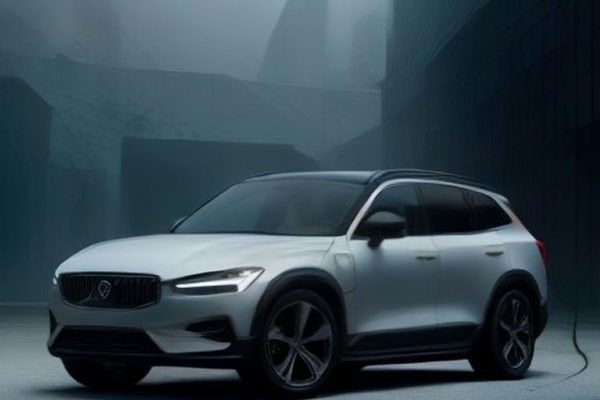
Given the Polestar 3’s South Carolina production and its shared technical architecture with the Volvo EX90, the idea of it being rebadged and sold as a Volvo presents a compelling, albeit complex, strategic option. Such a move would leverage Volvo’s established brand recognition, extensive dealer network, and robust supply chain to potentially bypass the specific hurdles currently facing Polestar. A Volvo-branded version could tap into a broader customer base that trusts Volvo’s reputation for safety, reliability, and Scandinavian luxury, offering a distinct, sportier electric SUV option alongside the more family-oriented EX90. While a rebadging effort would involve adapting Polestar’s distinct exterior styling, interior finishes, and performance dynamics to Volvo’s design language and brand philosophy, this process would be considerably less resource-intensive than developing an entirely new model. However, such a strategic shift requires careful market positioning to avoid cannibalizing EX90 sales, significant rebranding, and potential adjustments to production. The success would depend on whether a change in brand identity truly offers a viable path around the specific market obstacles.
Conclusion
The Polestar 3 faces a critical juncture, navigating significant market access challenges despite its advanced design and U.S. manufacturing base. The profound technical congruence with the Volvo EX90, encompassing key hardware and software, presents a tangible strategic avenue. While transforming the Polestar 3 into a Volvo-badged vehicle would be a complex undertaking, involving careful market positioning and significant brand management, it remains a technically plausible scenario that could offer a lifeline to a promising electric SUV. The ultimate decision hinges on a meticulous evaluation of the root causes of current impediments and the long-term strategic vision for both Polestar and Volvo within the rapidly evolving electric vehicle market.
Source : https://www.caranddriver.com/news/a71899055/2027-polestar-3-ban-volvo-conversion/