

The Anticipated Rivian R3X: A Longer Road Ahead
Enthusiasts eagerly awaiting the arrival of Rivian’s spirited R3X will need to exercise a bit more patience. According to CEO RJ Scaringe, the compact yet adventurous electric vehicle is still « a couple of years away » from hitting the market. This timeline is strategically linked to the operational readiness and full ramp-up of the company’s new manufacturing facility in Georgia, underscoring Rivian’s methodical approach to product launches and production scalability.
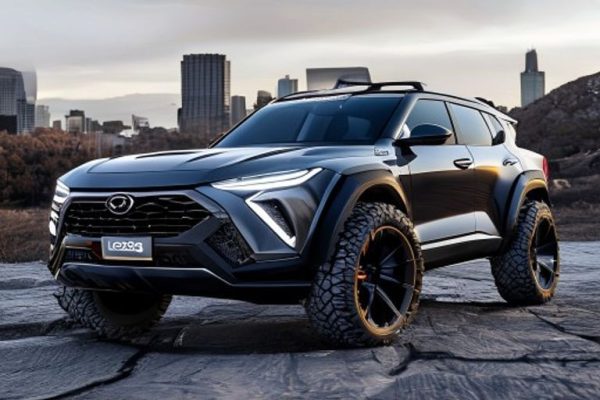
The R3X was first revealed alongside its more conventional sibling, the R3, capturing significant attention with its distinctively rugged and performance-oriented aesthetic. While the R3 is envisioned as a versatile, compact crossover for everyday adventures, the R3X takes that concept further, promising enhanced capabilities and a sportier driving experience. Its design language suggests a vehicle built for more adventurous pursuits, appealing to a demographic that values both electric propulsion and off-road readiness in a smaller, more urban-friendly package than the R1 series.
Rivian’s Strategic Shift: The R2 and R3 Platform Priority
The delay of the R3X is not an isolated event but rather a component of Rivian’s overarching strategic pivot towards a more accessible and higher-volume market segment. The immediate priority for the company is the launch and successful ramp-up of the R2, which is positioned as Rivian’s first mass-market electric SUV. The R2 is crucial for increasing Rivian’s overall production volume, expanding its customer base beyond the premium R1T and R1S, and achieving long-term profitability.
Both the R3 and R3X are designed to share the R2 platform, benefiting from its engineering, battery technology, and manufacturing efficiencies. This platform-sharing strategy is common in the automotive industry, allowing manufacturers to reduce development costs and streamline production. By prioritizing the R2, Rivian aims to perfect its new production lines and supply chain for this platform before introducing additional variants. This phased approach is intended to ensure a smoother rollout and higher quality for subsequent models like the R3 and, eventually, the R3X.
This deliberate sequencing reflects a mature understanding of the complexities involved in scaling EV production. Instead of rushing multiple models to market simultaneously, Rivian is focusing its resources on establishing a robust foundation with the R2, which will then serve as the bedrock for the R3 and the more specialized R3X. This systematic strategy is vital for a growing automaker looking to cement its place in a highly competitive market.
The Pivotal Role of the Georgia Manufacturing Plant
The timeline for the R3X is directly intertwined with the progress of Rivian’s ambitious new manufacturing facility in Georgia. This multi-billion-dollar plant, located east of Atlanta, is designed to be a cornerstone of Rivian’s future production strategy. It is slated to be the primary production hub for the R2, R3, and R3X models, with a projected annual capacity of up to 400,000 vehicles once fully operational. The factory’s development represents a significant investment in Rivian’s ability to scale production and meet anticipated demand for its next-generation vehicles.
For Scaringe, linking the R3X’s launch to the Georgia factory’s readiness is a clear signal that the company is committed to bringing new models to market only when it can ensure consistent, high-volume production. Building out a new manufacturing plant of this magnitude involves extensive construction, equipment installation, workforce training, and rigorous testing phases. These processes take time, and rushing them could lead to quality control issues or production bottlenecks, lessons many new EV manufacturers have learned the hard way.
The Georgia factory is not just about increasing output; it’s about optimizing production processes and achieving greater vertical integration. This will allow Rivian to have more control over its supply chain, potentially reduce manufacturing costs, and enhance overall efficiency. Therefore, ensuring the plant is fully operational and capable of executing Rivian’s advanced manufacturing techniques is a prerequisite for launching new models that rely heavily on its capabilities. Key benefits of this strategic investment include:
- Scalability: Essential for meeting the projected mass-market demand for R2/R3 platform vehicles.
- Optimized Production: Allows for the implementation of advanced manufacturing techniques for cost-efficiency.
- Vertical Integration: Enhances control over the supply chain and component manufacturing.
- Job Creation: Provides thousands of local jobs and stimulates economic growth in the region.
- Future Growth: Establishes a long-term foundation for Rivian’s expanded product portfolio.
Navigating the Competitive EV Landscape
The electric vehicle market continues to evolve rapidly, with increasing competition across all segments. While Rivian has carved out a distinct niche with its adventure-focused premium vehicles, the introduction of the R2 and R3 aims to broaden its appeal to a more price-sensitive and diverse customer base. This expansion comes at a time when traditional automakers and new EV entrants are all vying for market share, often emphasizing affordability and accessible technology.
In this dynamic environment, a disciplined product rollout is paramount. By ensuring that its foundational R2 platform is robust and efficiently produced at the Georgia plant, Rivian is positioning itself for sustainable growth. The delay of the R3X, while potentially frustrating for some, reflects a commitment to operational excellence over hurried market entry. It suggests that Rivian is prioritizing a strong, scalable manufacturing base and a perfected core product (R2) before diversifying its offerings on that new platform.
What This Means for Enthusiasts and the Future of Rivian
For those who were captivated by the R3X’s sporty appeal, the news confirms a waiting period that extends beyond the immediate horizon. However, this wait is embedded in a larger, coherent strategy designed to ensure Rivian’s long-term success and ability to deliver high-quality, high-volume electric vehicles. Customers can anticipate that when the R3X does arrive, it will do so with the backing of a fully operational, state-of-the-art manufacturing facility and a proven platform.
In the interim, the focus will remain squarely on the R2, which is poised to be a game-changer for Rivian. Its successful launch and production ramp will pave the way for the R3 and, ultimately, the R3X, offering enthusiasts a clear progression of Rivian’s vision for accessible, adventure-ready electric mobility. The « couple of years away » for the R3X is a strategic investment in the future, ensuring that when this sporty EV eventually hits the roads, it will do so with Rivian’s full manufacturing might behind it.
Source : https://www.caranddriver.com/news/a71560018/rivian-r3x-production-couple-of-years-away/