


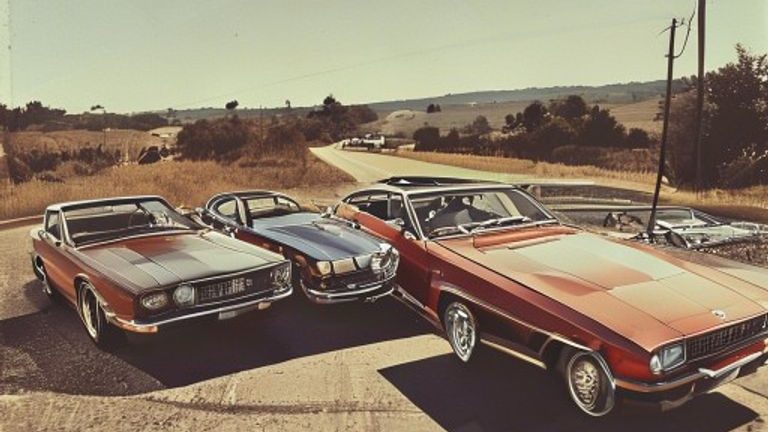
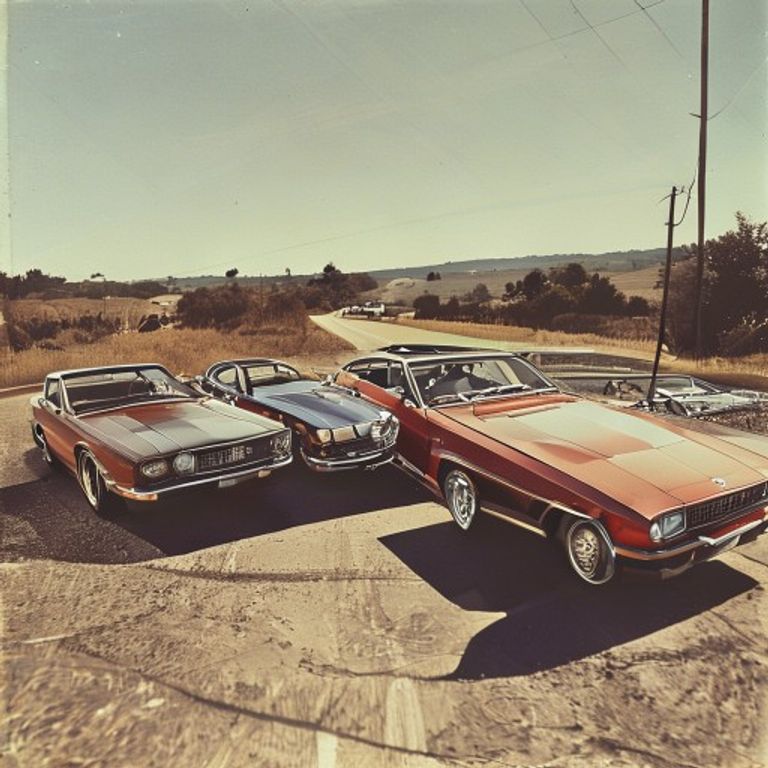
The year 2001 presented a fascinating landscape for automotive enthusiasts seeking four-seat convertible excitement. While dedicated roadsters offered two-seat thrills, a distinct segment provided drop-tops designed for more occupants, blending open-air motoring with everyday practicality. For consumers needing a convertible capable of daily duties or family outings, the options were surprisingly diverse, reflecting varied priorities from raw performance to quiet comfort and sensible value.
A Diverse Field of Contenders
Imagine the scene: five distinct four-seat convertibles, each vying for consumer attention. A comparison test in 2001 would have assembled a truly eclectic mix, showcasing different philosophies on what a convertible should be. These vehicles were more than just cars; they were statements, each with its own heritage, target audience, and unique blend of strengths and compromises. This retrospective examines what made each model unique and how they appealed to a competitive marketplace.
-
Chevrolet Camaro
The 2001 Chevrolet Camaro convertible embodied the quintessential American muscle car. It offered aggressive styling and formidable performance, particularly with the optional 5.7-liter LS1 V8 engine. With rear-wheel drive and a focus on acceleration, it appealed to buyers seeking a visceral driving experience and a connection to its storied performance lineage. Its interior and ride quality often prioritized speed and sound over plushness or quiet cruising, making it a choice for those who valued raw power and a bold presence above all in a four-seat convertible.
-
Chrysler Sebring
In stark contrast to the Camaro, the 2001 Chrysler Sebring convertible aimed for broader appeal, emphasizing comfort, value, and open-air accessibility for the masses. Based on a front-wheel-drive platform, the Sebring was a popular choice for families seeking a relaxed cruising experience without breaking the bank. It prioritized a smooth ride and user-friendly features over outright performance, typically powered by a V6 engine offering adequate acceleration. Its contemporary design and widespread availability positioned it as a practical and affordable option in the four-seat convertible segment.
-
Ford Mustang
The Ford Mustang, a perennial rival to the Camaro, presented its own distinct interpretation of the American convertible in 2001. Like its competitor, it offered both V6 and V8 engine options, with the GT model’s 4.6-liter V8 providing robust power and a distinctive exhaust note. The Mustang convertible maintained its iconic pony car styling and rear-wheel-drive dynamics, delivering a blend of heritage, performance, and everyday usability. It often struck a balance, appealing to a wide range of enthusiasts who appreciated its classic lines and engaging driving character.
-
Mitsubishi Eclipse
The 2001 Mitsubishi Eclipse Spyder, the convertible variant of the popular sport compact coupe, injected youthful style and import flair. With sleek, rounded lines and more compact dimensions, the Eclipse Spyder appealed to a demographic seeking modern aesthetics and a nimble, engaging drive. While base models typically featured a four-cylinder engine, a V6 option was available, providing a respectable balance of performance and efficiency. The Eclipse Spyder carved out a niche, offering a distinctive front-wheel-drive alternative that prioritized contemporary design and a fun-to-drive demeanor.
-
Toyota Camry Solara
For buyers prioritizing refinement, reliability, and a more sophisticated open-air experience, the 2001 Toyota Camry Solara convertible stood out. Leveraging the renowned dependability and comfortable ride of the Camry sedan, the Solara convertible offered a polished, somewhat upscale alternative. Powered primarily by Toyota’s smooth V6 engine, it provided effortless cruising and a quiet cabin compared to more raucous competitors. While not designed for aggressive cornering, the Solara excelled as a comfortable, well-appointed touring car, appealing to a mature audience valuing quality and a serene driving environment.
Evaluating the Open-Air Experience
A comprehensive comparison of these convertibles in 2001 would have scrutinized numerous aspects beyond just engine output or 0-60 mph times. Journalists would have evaluated top operation, cabin wind buffeting, trunk space (top up and down), and rear-seat practicality. Ride comfort, handling prowess, and braking performance were critical metrics. Interior quality, ergonomic design, and features like premium sound systems or automatic climate control also played significant roles. Furthermore, fuel economy, expected reliability, and resale value would factor into a consumer’s decision-making process.
Such comparisons were invaluable for prospective buyers, providing a distilled overview of complex purchasing decisions. They highlighted each model’s strengths and weaknesses, helping consumers align a vehicle with their specific lifestyle and priorities—be it weekend track fun, comfortable daily commuting, or stylish highway cruising. The variety available in 2001 underscores a vibrant period where the four-seat convertible market truly offered something for everyone. This retrospective serves as a fascinating snapshot of automotive preferences at the turn of the millennium, reminding us how manufacturers combined open-air freedom with everyday utility.