


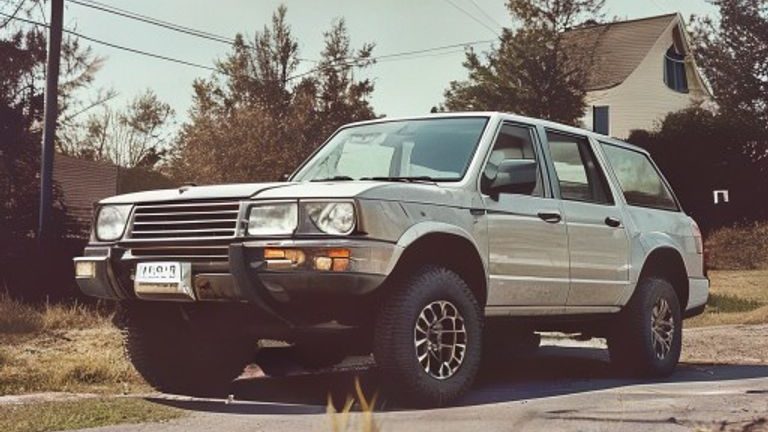
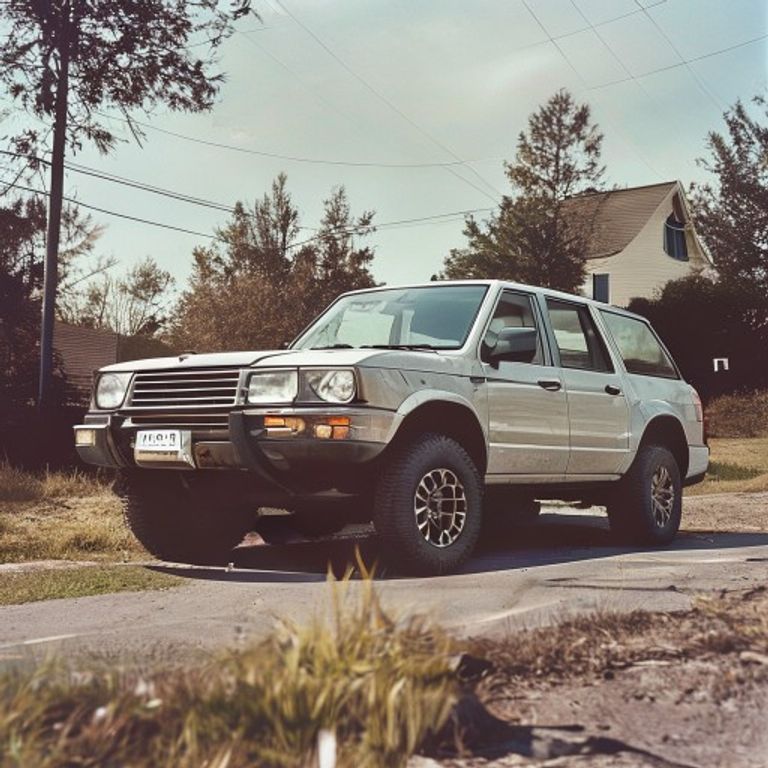
Once again, we’re faced with the age-old question: Is bigger necessarily better? In the automotive landscape of 1997, this query took on particular relevance as Sport Utility Vehicles (SUVs) continued their meteoric rise in popularity. The mid-nineties marked a significant turning point, transforming these vehicles from niche workhorses into mainstream family transporters and lifestyle statements. For many consumers, the inherent ruggedness and commanding presence were compelling attributes, favoring substantial dimensions. The year 1997 offers a snapshot of this burgeoning trend, where the concept of a « sumo-sized » vehicle solidified its place, offering a blend of practicality, perceived safety, and aspirational appeal.
The Rise of the « Sumo-Sized » SUV: 1997’s Landscape
The 1990s witnessed a profound transformation in the automotive industry, with SUVs driving new consumer demand. What began as vehicles primarily for off-road capability evolved into more refined, comfortable, and versatile family options. By 1997, this evolution was in full swing, blending traditional ruggedness with increasing creature comforts. This shift responded directly to consumer desires for a single vehicle capable of handling diverse needs: daily commutes, family road trips, and light outdoor adventures. The public’s embrace of the SUV wasn’t just about utility; it was also about a lifestyle image, embodying freedom and capability, supported by the perceived benefits of a higher driving position and greater cargo capacity.
SUVs in 1997 largely utilized body-on-frame construction, a design shared with pickup trucks. This architecture contributed significantly to their robust feel and larger dimensions, providing a solid foundation for towing and heavy loads. Four-wheel-drive systems were common options, reinforcing their adventurous image. While early crossovers were emerging, the dominant form factor remained decidedly truck-like. Interiors were becoming more accommodating, with features like power windows, air conditioning, and multi-speaker sound systems widely available, balancing utilitarian roots with passenger comfort.
Dimensions, Utility, and Road Presence
The moniker « Sumo-Sized » accurately captures the substantial road presence of many 1997 SUVs. Compared to average passenger cars, these vehicles often boasted significantly greater dimensions in length, width, and especially height. This physical dominance translated into several practical advantages and psychological benefits. The sheer volume of interior space was a primary draw, allowing for comfortable seating for multiple passengers and ample room for belongings. Cargo capacity was another strong suit, with rear seats often folding down to create cavernous load floors, perfect for hauling sports equipment or large shopping hauls.
Beyond practicalities, the imposing size conveyed a sense of security and command from behind the wheel. Drivers appreciated the elevated seating position, offering a better vantage point over traffic. This blend of tangible utility and intangible confidence contributed significantly to their appeal. These vehicles also offered capabilities traditional cars couldn’t match, such as significant towing capacity. For active lifestyles, robust four-wheel drive meant access to light off-road trails or snowy roads. The potential for adventure, even if rarely fully utilized, was a powerful psychological draw, making the « do-it-all » SUV a cornerstone of family transportation.
- Generous Interior Volume: More passenger headroom, legroom, and shoulder room than typical sedans.
- Expansive Cargo Capacity: Unrivaled space for luggage, equipment, or large purchases.
- Imposing Road Presence: Larger exterior dimensions projected an image of strength and stability.
- Elevated Driving Position: Provided drivers with a commanding view of the road and surrounding traffic.
- Robust Construction: Body-on-frame designs contributed to a heavy, solid, and capable feel for utility.
Driving Experience, Market Influence, and Enduring Legacy
Driving a 1997 SUV offered a distinct experience. While not as nimble as smaller cars, their robust construction and often powerful engines provided a sense of solidity and capability. The elevated seating position afforded a commanding view, contributing to a feeling of safety and control that many consumers sought. The market in 1997 offered a wide array of choices within the SUV segment. Consumers increasingly chose these larger, more capable vehicles, prioritizing space, perceived safety, and versatility over outright fuel efficiency or car-like handling.
The 1997 SUV market was a vibrant testament to changing consumer preferences, where « Is bigger necessarily better? » often found a resounding « yes » from buyers. These vehicles, with their « sumo-sized » presence, offered an appealing blend of utility, space, and a feeling of command that resonated deeply. They weren’t just transportation; they were statements of capability and lifestyle, bridging rugged utility and everyday comfort. The legacy of these mid-nineties giants continues to influence vehicle design and consumer expectations, having laid the groundwork for today’s dominant SUV market. The era of the substantial, versatile SUV was firmly established, redefining what families expected from their primary vehicle.