

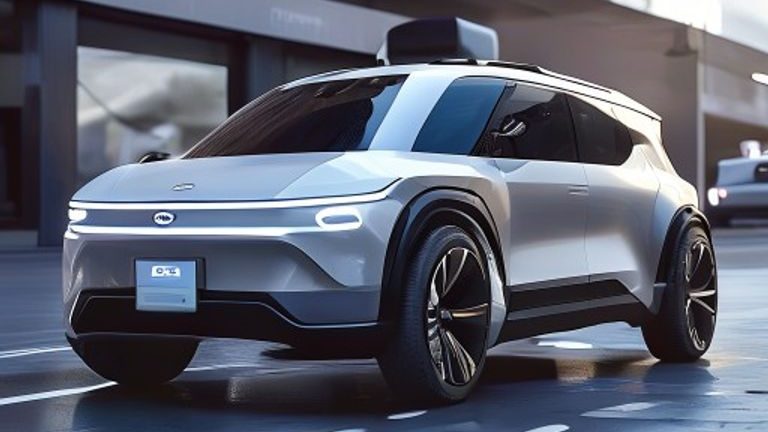
The automotive world is rife with speculation, particularly when it comes to the rapidly evolving electric vehicle (EV) landscape. Among the most persistent and intriguing rumors circulating pertains to Ford’s potential development of a compact, affordable electric utility vehicle. While official details from the Blue Oval remain scarce, and specific model names or launch dates are unconfirmed, the industry is buzzing with the prospect of an EV that could truly democratize electric truck ownership and build upon the success of models like the Maverick.
Ford’s Strategic Pivot to Electrification
Ford has made no secret of its ambitious plans for an electrified future. Under the leadership of CEO Jim Farley, the company has committed billions to develop new EV platforms, scale battery production, and transition its iconic product lines to electric powertrains. This strategy isn’t just about environmental responsibility; it’s a shrewd business move aimed at capturing a significant share of the burgeoning EV market. While initial efforts have focused on high-profile models like the F-150 Lightning and Mustang Mach-E, the long-term vision clearly includes a broader, more accessible range of electric offerings.
The development of multiple dedicated EV platforms is central to Ford’s strategy. These modular architectures allow for greater flexibility in vehicle design, more efficient manufacturing processes, and ultimately, the potential to bring down production costs. For an automaker to introduce a truly affordable EV, particularly one with utility capabilities, leveraging these scalable platforms will be crucial. This foundational work hints at Ford’s capacity to introduce diverse body styles, including potentially a smaller, more accessible electric truck or crossover that could slot beneath the F-150 Lightning.
The Unmet Demand for Affordable Electric Utility
The current EV market, while expanding, still largely caters to higher price points, especially for trucks and larger SUVs. This leaves a significant gap for consumers seeking an electric vehicle that combines utility, efficiency, and—critically—affordability. The success of Ford’s Maverick hybrid pickup, which quickly became a sales sensation due to its compelling price point and practical design, unequivocally demonstrates a strong market appetite for compact, versatile utility vehicles that don’t break the bank.
An electric counterpart to the Maverick, or a similar compact utility vehicle, could tap into this same vein of demand. Consumers are increasingly looking for vehicles that can handle daily commuting, weekend adventures, and light hauling tasks without incurring prohibitive purchase costs or high running expenses. An EV designed with this philosophy in mind would not only expand Ford’s market reach but also introduce electric mobility to a demographic previously priced out of the segment. This segment could attract first-time EV buyers, urban dwellers needing flexible transport, and small business owners.
Echoes of the Past: The ‘Coupe Utility’ Concept
While discussing a potential future electric utility from Ford, it’s natural for enthusiasts to recall the company’s rich history. The original Ford Ranchero, a pioneering ‘coupe utility’ vehicle, seamlessly blended the comfort of a car with the practicality of a pickup bed. This innovative concept resonated with buyers who needed more than a sedan but found traditional trucks too large or inefficient for their needs. If Ford were to develop a new compact electric utility, it wouldn’t necessarily bear the Ranchero name, but it would certainly embody the spirit of that original design ethos: a versatile, car-based platform offering open-bed functionality.
Such a vehicle in an electric format would represent a modern interpretation of this classic formula. It would leverage contemporary EV technology to offer instant torque, quiet operation, and zero tailpipe emissions, while still providing the cargo flexibility that made its predecessors so popular. This blending of heritage and innovation is a potent combination that could resonate deeply with a broad spectrum of consumers looking for a distinctive and practical EV.
The Path to a Sub-$30,000 Electric Truck: Challenges and Innovations
Achieving a sub-$30,000 price point for any new electric vehicle, let alone a utility model, presents significant challenges. Battery technology remains a substantial cost driver in EV manufacturing. However, ongoing advancements in battery chemistry, manufacturing processes, and global supply chain optimization are continuously working to reduce these costs. Ford, through its investments in battery production facilities and partnerships, is actively working to control these variables.
- Battery Technology: Exploring less expensive battery chemistries like LFP (lithium iron phosphate) for standard range models could dramatically lower costs compared to nickel-cobalt chemistries.
- Simplified Manufacturing: Utilizing advanced manufacturing techniques, including giga-presses and highly automated assembly lines, can streamline production and reduce labor costs.
- Component Sharing: Extensive sharing of components and platforms across multiple EV models can create economies of scale, spreading development costs over higher volumes.
- Software-Defined Vehicles: Integrating advanced software can enable over-the-air updates and offer subscription services, creating new revenue streams and potentially offsetting initial hardware costs.
Should Ford successfully navigate these challenges and bring a genuinely affordable electric utility to market, its impact could be transformative. It would not only solidify Ford’s position as a leader in electrification but also catalyze the broader adoption of EVs by making them accessible to a much wider audience. The anticipation surrounding such a potential vehicle underscores a critical turning point in the automotive industry, where affordability and sustainability are becoming increasingly intertwined.
Source : https://www.caranddriver.com/news/a71855326/2028-ford-ranchero-future-cars/