



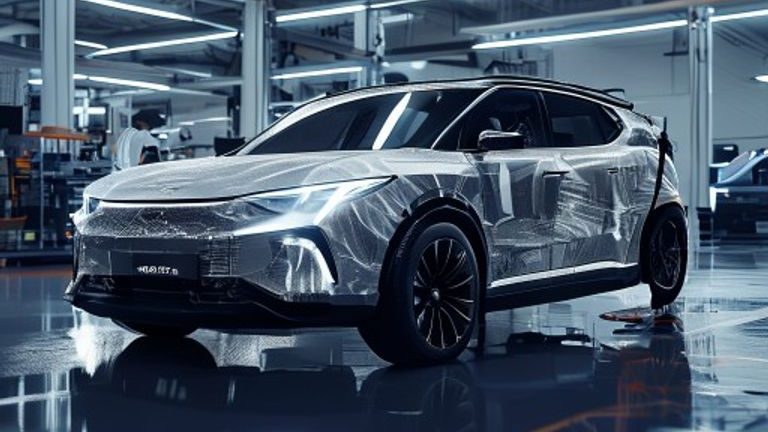
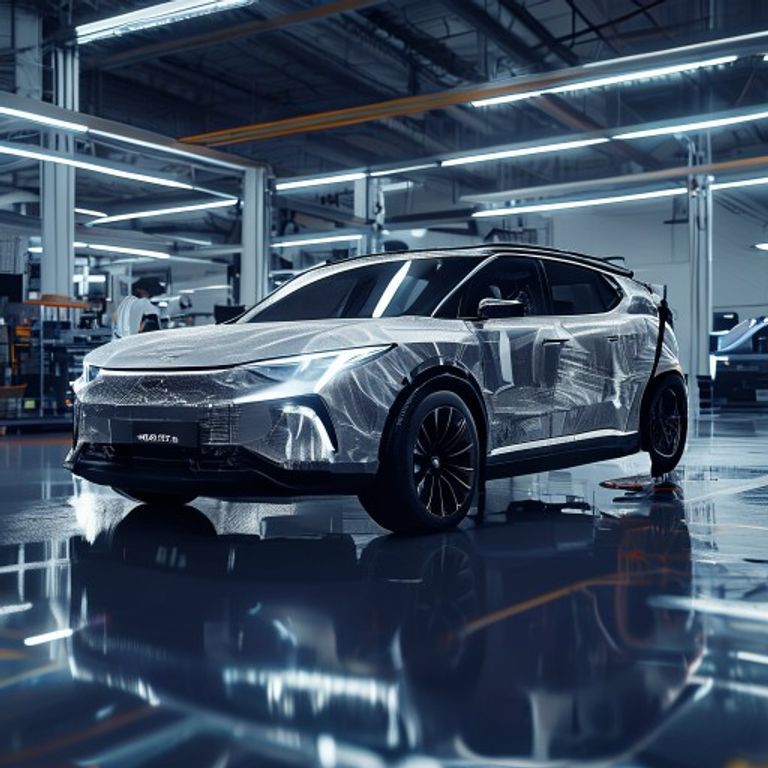
2027 Toyota Highlander EV Production Delayed Amidst ‘Final Adjustments’
Anticipation for the arrival of the 2027 Toyota Highlander, an all-new electric SUV, has been met with news of a production delay. Originally slated to begin sales by the end of the year – a typical timeframe for new model year vehicle introductions in the preceding calendar year – the innovative EV SUV now faces an eight-week postponement. This adjustment period, officially attributed to ‘final adjustments,’ suggests that the highly awaited electric Highlander may not make its market debut until the calendar year 2027. The delay, while potentially frustrating for prospective buyers and dealerships, underscores the complex and meticulous nature of bringing a new electric vehicle to market, particularly one that carries the established Highlander nameplate.
Understanding the ‘Final Adjustments’ Phase
The term ‘final adjustments’ often encompasses a broad spectrum of critical activities in the automotive development cycle, especially for a vehicle as technologically advanced as a new electric SUV. This phase is paramount for ensuring that every aspect of the vehicle meets the manufacturer’s stringent quality standards and regulatory requirements before mass production and widespread availability. For an EV, these adjustments could involve a variety of intricate processes, including but not limited to:
- Software Calibration: Fine-tuning the complex software systems that manage everything from battery performance and motor control to infotainment and advanced driver-assistance systems (ADAS). Modern EVs are heavily software-dependent, and even minor tweaks can significantly impact performance, efficiency, and safety.
- Performance Optimization: Making subtle refinements to the vehicle’s driving dynamics, suspension tuning, braking response, and overall powertrain calibration to ensure a seamless and enjoyable driving experience.
- Quality Control Checks: Conducting exhaustive inspections and tests to verify the integrity of all components, materials, and assembly processes. This often includes crash testing simulations, durability assessments, and environmental evaluations.
- Manufacturing Process Refinements: Adjusting assembly line procedures, robot programming, and material handling to maximize efficiency, consistency, and build quality during full-scale production.
- Regulatory Compliance: Ensuring all vehicle specifications and performance metrics strictly adhere to regional safety, emissions (even for EVs, certain non-tailpipe regulations apply), and environmental standards.
These adjustments, though seemingly minor on their own, collectively ensure that the final product is polished, reliable, and capable of delivering on the brand’s promise. For a company with Toyota’s reputation for quality, taking extra time for these refinements is a testament to their commitment to delivering a flawless vehicle.
The Broader Context of Automotive Production Delays
Production delays are not uncommon in the highly intricate and interconnected automotive industry, especially with the accelerated shift towards electrification. The development of a brand-new vehicle, particularly one leveraging advanced EV technology, is an immensely complex undertaking. Factors that frequently contribute to such postponements across the industry include:
- Supply Chain Volatility: Ongoing global supply chain challenges, ranging from semiconductor shortages to disruptions in raw material availability, can impact component delivery schedules. While not explicitly stated for the Highlander, it remains a persistent industry concern.
- New Technology Integration: Incorporating novel electric powertrains, battery architectures, and sophisticated software systems often introduces unforeseen engineering hurdles and requires extensive validation processes.
- Manufacturing Plant Ramp-Up: Preparing new or retooling existing production facilities for a completely new model, especially an EV, involves significant challenges in calibrating machinery, optimizing workflows, and training personnel.
- Rigorous Testing Protocols: Automakers conduct exhaustive testing—including extensive road tests, extreme weather evaluations, and simulated durability cycles—to identify and rectify any potential issues before consumer launch.
An eight-week delay, while notable, is often considered a manageable setback in the grand scheme of bringing a sophisticated new vehicle from concept to showroom. It highlights the rigorous processes involved in modern vehicle manufacturing, where precision and reliability are paramount.
Implications for Consumers and the Market
For potential buyers eagerly awaiting the 2027 Toyota Highlander EV, this delay translates into a longer wait time. Consumers who may have been planning their vehicle purchases around an anticipated late-2026 availability will now need to adjust their expectations, potentially until sometime in 2027. This could influence buying decisions, with some individuals opting to explore alternative electric SUV options that are immediately available or scheduled for earlier release.
From a market perspective, an eight-week delay can subtly shift competitive dynamics. While not a monumental postponement, it provides rival manufacturers a slightly extended window to capture market share or refine their own offerings in the burgeoning electric SUV segment. However, Toyota’s strategy traditionally prioritizes long-term quality and customer satisfaction over rushing a product to market, suggesting that the benefits of these ‘final adjustments’ are expected to outweigh the drawbacks of the delay.
Toyota’s Reputation and the Road Ahead
Toyota has built a formidable global reputation on the pillars of quality, durability, and reliability. This meticulous approach often means taking extra time to ensure that every vehicle, particularly a groundbreaking new EV, lives up to these exacting standards. The decision to delay the 2027 Highlander for ‘final adjustments’ aligns perfectly with this brand philosophy. It suggests that rather than compromise on any aspect of the vehicle’s readiness, the company is committed to delivering a product that performs optimally and maintains its integrity from day one.
The Highlander nameplate itself carries significant weight, being a well-established and highly successful mid-size SUV in Toyota’s lineup. Its transition into an all-electric format is a pivotal step in Toyota’s broader electrification strategy. Despite the slight setback, the eventual arrival of the 2027 Toyota Highlander EV is still expected to be a significant event for the electric vehicle market, offering consumers a compelling option from a trusted brand.
As the automotive industry continues its rapid evolution towards electrification, such meticulous developmental processes are becoming increasingly standard. While the delay is an inconvenience, it reflects a dedication to excellence that ultimately benefits the consumer. Enthusiasts and prospective buyers will undoubtedly keep a close eye on further announcements as the 2027 Toyota Highlander EV moves closer to its refined and highly anticipated market launch.
Source : https://www.caranddriver.com/news/a71888001/2027-toyota-highlander-production-delayed/
