

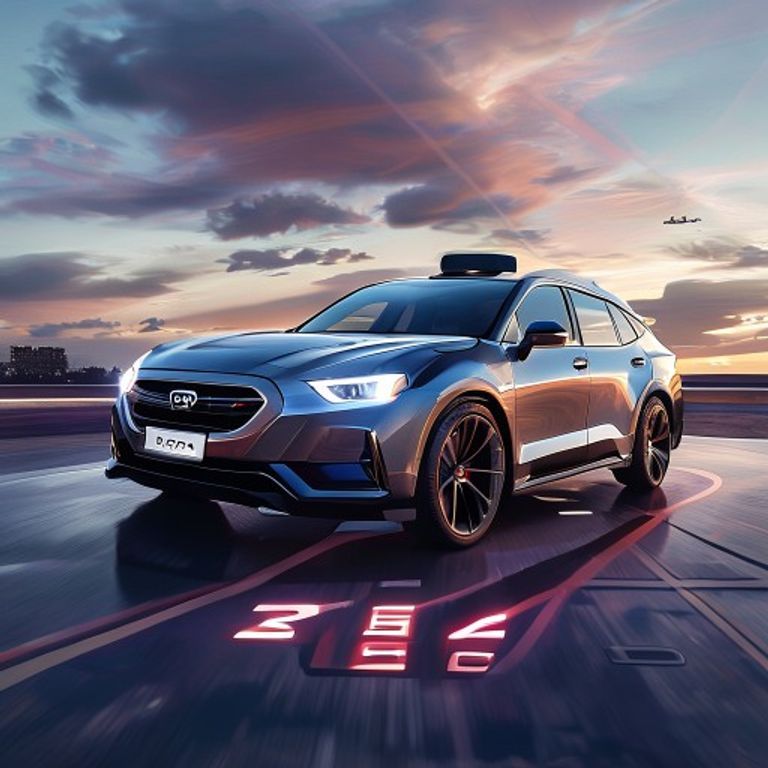
Subaru’s Most Powerful Model Yet, the Getaway SUV, Delayed to 2027
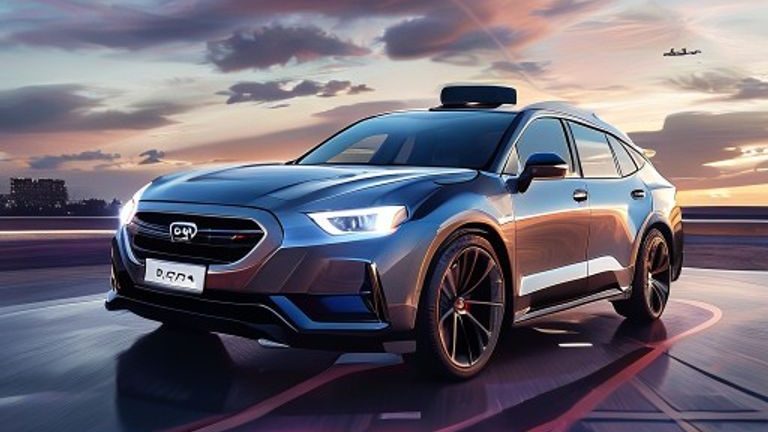
Enthusiasts eagerly awaiting Subaru’s foray into high-performance electric vehicles will need to exercise a bit more patience. The highly anticipated Subaru Getaway SUV, slated to be the brand’s most powerful model ever with an impressive 420 horsepower, is now facing a significant delay. Initially projected to arrive at dealerships in late 2026, the three-row electric SUV may not make its debut until some point in 2027. This shift in timeline places Subaru in a similar position to its partner, Toyota, as both navigate the complexities of launching their respective three-row electric vehicle offerings.
The delay of the Getaway SUV is more than just a calendar adjustment; it marks a notable change in Subaru’s aggressive electrification strategy and the introduction of a halo performance model. The Getaway represents a monumental step for the Japanese automaker, traditionally known for its rugged all-wheel-drive systems, Boxer engines, and focus on safety and outdoor adventures. The promise of a 420-HP electric SUV suggests a new direction, merging Subaru’s core values with cutting-edge electric performance, positioning it as a formidable contender in the rapidly evolving EV market segment.
The Dawn of Subaru’s Most Powerful Era
The Subaru Getaway SUV’s 420-horsepower output is a figure that immediately commands attention, especially within the context of Subaru’s historical vehicle lineup. This power rating positions the Getaway significantly above any current production Subaru model, including its performance-oriented WRX sports sedan and its largest internal combustion engine (ICE) SUV, the Ascent. For a brand that has primarily emphasized balanced performance, utility, and safety over raw power, the 420-HP Getaway signifies a bold declaration of intent in the electric era. It indicates Subaru’s commitment not only to electrification but also to delivering an engaging and potent driving experience within a family-friendly, three-row SUV package.
The strategic move to make its ‘most powerful model yet’ an electric SUV underscores the shift in the automotive industry landscape. Electric powertrains offer instant torque and considerable power figures, enabling automakers to redefine performance. For Subaru, the Getaway is poised to become a flagship model, showcasing the brand’s engineering prowess in the electric domain and attracting a new demographic of buyers who prioritize both sustainable mobility and exhilarating performance. The three-row configuration further emphasizes its role as a versatile family vehicle, combining practicality with segment-leading power for the brand.
The Unforeseen Roadblock: Getaway’s Delay
The postponement of the Subaru Getaway SUV’s launch from late 2026 to potentially 2027 introduces various implications for the automaker, consumers, and the broader electric vehicle market. Automotive development, particularly for new electric vehicle architectures, is an intricate process fraught with potential challenges, ranging from supply chain disruptions for critical components like batteries and semiconductors to complex software integration and rigorous testing protocols. While the specific reasons for the Getaway’s delay have not been detailed beyond its connection to Toyota’s similar decision, such postponements are not uncommon in the nascent but rapidly maturing EV industry.
A delay of several months, or even a full year, can have cascading effects. For consumers who have been anticipating the arrival of a powerful, practical, and environmentally conscious three-row SUV from Subaru, this news undoubtedly brings a degree of disappointment. It means a longer wait for a vehicle that promised to combine Subaru’s renowned dependability with cutting-edge electric performance. From a business perspective, the delay can influence several key areas:
- Lost Market Opportunity: Competitors in the fast-growing three-row electric SUV segment may gain a further head start, potentially capturing market share that Subaru had aimed for.
- Shifting Consumer Expectations: Prolonged waits can sometimes lead to reduced initial enthusiasm or prompt potential buyers to explore alternative options.
- Competitive Landscape Changes: The EV market is dynamic, with new models and technologies constantly emerging. A delay means the Getaway will enter a potentially more crowded or advanced competitive environment.
- Resource Reallocation: Delays often necessitate adjustments in production planning, marketing strategies, and resource allocation across the company.
The Echo of Toyota: A Shared Path to Delay
Crucially, the news explicitly states that Subaru is ‘following Toyota in delaying its three-row EV.’ This detail is highly significant, given the long-standing and deep partnership between Subaru and Toyota. This collaboration has yielded shared platforms and jointly developed vehicles in the past, such as the Subaru BRZ and Toyota GR86 sports cars, and more recently, the Subaru Solterra and Toyota bZ4X electric SUVs. The mention of Toyota’s parallel delay strongly suggests that the Getaway SUV’s postponement is not an isolated incident but rather a consequence of a shared platform, common components, or synchronized strategic decisions between the two automakers.
If the Subaru Getaway is indeed built on a platform or utilizes major components shared with Toyota’s delayed three-row EV project, then any challenges encountered by Toyota would inherently affect Subaru’s timeline. Such challenges could include, but are not limited to, delays in battery technology advancements, issues with manufacturing scaling, software development hurdles, or even a strategic reassessment of market timing or production capacities. Given the intricate nature of modern vehicle development, especially for electric models, a delay from one partner in a collaborative project can invariably lead to delays for the other, ensuring that both brands maintain synchronized development cycles or address shared technical obstacles. This collaborative aspect highlights how intertwined their electrification strategies might be, with one partner’s trajectory influencing the other’s.
What This Means for Subaru’s Electric Future
Despite the delay, the Subaru Getaway SUV remains a pivotal model for the brand’s electric future. Its eventual arrival will mark a significant milestone in Subaru’s commitment to electrification and performance. The 420-HP figure, combined with a practical three-row layout, positions it as a compelling option for families seeking robust power and zero emissions. The additional time may allow Subaru and its partners to refine the vehicle further, potentially enhancing its technology, range, or overall driving experience, ultimately benefiting the end consumer.
For Subaru, navigating these delays while maintaining consumer confidence will be key. The anticipation surrounding the Getaway underscores the market’s readiness for a high-performance electric SUV from a brand known for its reliability and capability. While the wait has been extended, the promise of Subaru’s ‘most powerful model yet’ continues to build excitement for what is shaping up to be a landmark vehicle in the company’s evolving lineup. The industry will be watching closely as Subaru, in conjunction with Toyota, refines its strategy to bring these crucial three-row electric SUVs to market, ensuring they meet the high expectations set by their impressive specifications.
Source : https://www.caranddriver.com/news/a73258248/subaru-getaway-production-delayed/