

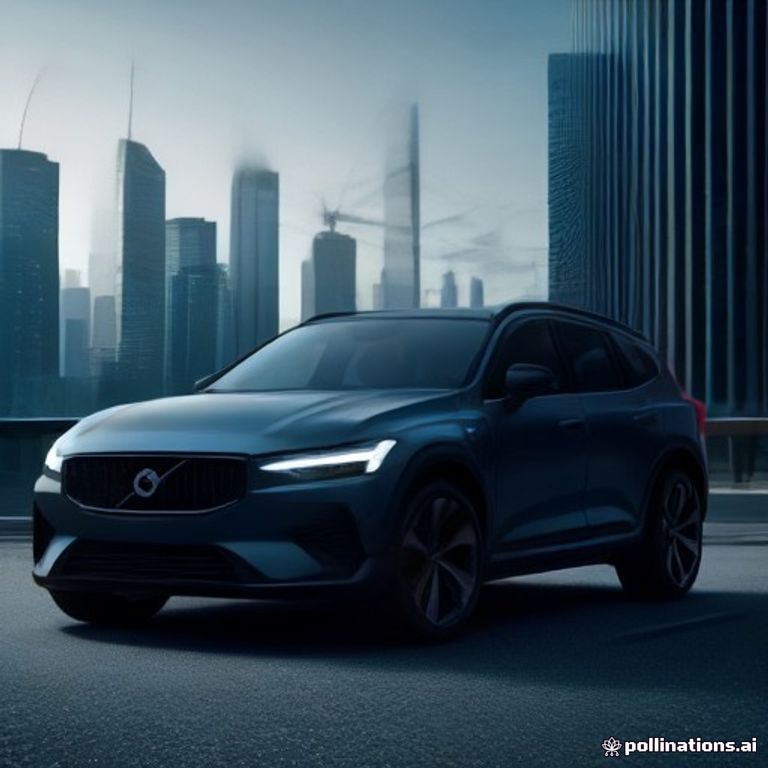
Volvo, the esteemed Swedish premium automaker renowned for its commitment to safety, sophisticated design, and increasingly, pioneering electrification, has recently unveiled ambitious plans to significantly expand its vehicle portfolio. The company aims to introduce a remarkable 13 new vehicles worldwide by the close of the decade, 2030. This extensive product offensive is set to redefine Volvo’s presence across various segments and reinforce its global market position. What’s particularly intriguing and has sparked considerable discussion within the automotive world is the company’s explicit mention that these forthcoming models will encompass both “low and high body types.” This specific phrasing strongly suggests the potential reintroduction or a renewed emphasis on station wagons, a body style deeply embedded in Volvo’s rich heritage.
The announcement of 13 new models by 2030 represents a profound commitment from Volvo to accelerate its transformation and capture a larger share of the global premium automotive market. In an era where many manufacturers are streamlining their offerings or focusing almost exclusively on SUVs, Volvo’s strategy to diversify its lineup is noteworthy. This product blitz underscores the brand’s intent to offer a comprehensive range of vehicles that cater to evolving consumer preferences and different regional demands, all while staying true to its core values of Scandinavian design, advanced technology, and environmental responsibility. The push towards a fully electric future by 2030 is a cornerstone of this strategy, meaning each of these new vehicles will undoubtedly be designed from the ground up to be electric or will transition to electric platforms.
Navigating the Evolving Landscape: “Low and High Body Types”
The automotive industry has witnessed a dramatic shift in consumer preference over the last two decades, with sport utility vehicles (SUVs) and crossovers dominating sales charts across most major markets. It’s therefore reasonable to infer that a significant portion of Volvo’s “high body type” vehicles within this product offensive will indeed be new iterations of SUVs and crossovers, expanding upon successful models like the XC40, XC60, and XC90, and introducing new electric-only variants and segments. These high-riding vehicles offer perceived advantages such as a commanding driving position, increased ground clearance, and versatile cargo space, which resonate strongly with a broad spectrum of buyers globally and are likely to continue to be a sales driver for the brand.
However, the inclusion of “low body types” in Volvo’s future roadmap is where the true intrigue lies, especially for enthusiasts and those seeking alternatives to the pervasive SUV trend. Traditionally, “low body types” refer to sedans, coupes, and critically, station wagons. While sedans still hold considerable market share in regions like China and North America for specific segments, the global shift has often seen them lose ground to SUVs. Station wagons, once a cornerstone of the Volvo brand, have seen a decline in popularity in some markets, particularly the U.S., but maintain a loyal following and strong presence in others, notably across Europe. Therefore, Volvo’s explicit mention of these lower-profile vehicles opens the possibility for a renewed focus on body styles that offer distinct advantages.
The Enduring Appeal of the Station Wagon and Volvo’s Heritage
Few automotive brands are as synonymous with the station wagon as Volvo. For decades, the Swedish automaker built a significant portion of its global reputation partly on offering practical, safe, and robust wagons that seamlessly blended utility with sophisticated design. Iconic models such as the Volvo 240, 850, V70, and the more recent V90 have cemented this legacy. These vehicles were cherished for their cavernous cargo areas, comfortable rides, and a driving experience often superior to their SUV counterparts due to their lower center of gravity. A new generation of Volvo wagons, especially electric ones, could leverage these inherent advantages while integrating cutting-edge technology and sustainable materials.
The potential for new station wagons is particularly exciting for several reasons, especially when considered within the context of an all-electric future:
- Aerodynamic Efficiency: For electric vehicles, maximizing range is paramount. Lower-profile body types like wagons typically possess superior aerodynamic characteristics compared to taller SUVs. This translates directly into better energy efficiency and extended driving range, a crucial competitive advantage in the burgeoning EV market.
- Driving Dynamics: A lower center of gravity, inherent in wagons, contributes to more engaging handling and a car-like driving experience, which many discerning drivers prefer over the sometimes taller, heavier feel of an SUV. This can enhance the premium driving experience.
- Brand Heritage and Niche Appeal: Reintroducing or reinforcing a wagon line-up would not only honor Volvo’s rich history but also cater to a segment of buyers who appreciate understated practicality, distinct styling, and a departure from the SUV norm. It allows Volvo to differentiate itself in a crowded market.
- Global Market Nuances: While SUVs dominate in many regions, markets like Europe still show strong demand for sophisticated station wagons, especially those offering premium features and advanced technology.
Strategic Implications of a Diverse Lineup for Volvo
Volvo’s decision to pursue a diverse product strategy, including both low and high body types, suggests a nuanced understanding of the evolving automotive market. It indicates that while SUVs will undoubtedly remain a crucial part of its portfolio, the company recognizes the value in offering alternatives that might appeal to different sensibilities or address specific functional needs. This approach could strengthen Volvo’s position as a premium brand that offers genuine choice, rather than simply following prevailing trends. By 2030, the automotive landscape will undoubtedly be even more competitive and segmented, with electrification as the common denominator. A broader product offering allows Volvo to tap into various customer bases, from families needing expansive utility to individuals desiring a sleek, aerodynamically efficient electric cruiser.
The journey to launch 13 new vehicles by 2030 is an ambitious undertaking, requiring significant investment in research, development, and manufacturing capabilities. It signals Volvo’s aggressive intent to cement its position as a leader in the premium electric vehicle segment. The tantalizing prospect of new station wagons within this grand plan adds an exciting dimension, blending Volvo’s storied past with its innovative electric future. While concrete details on specific models are yet to emerge, the company’s strategic phrasing provides a compelling glimpse into a future where diverse body styles, including potentially beloved wagons, continue to play a vital role in the Volvo narrative and contribute to its continued global success.
Source : https://www.caranddriver.com/news/a73779022/volvo-product-offensive-new-station-wagon/