



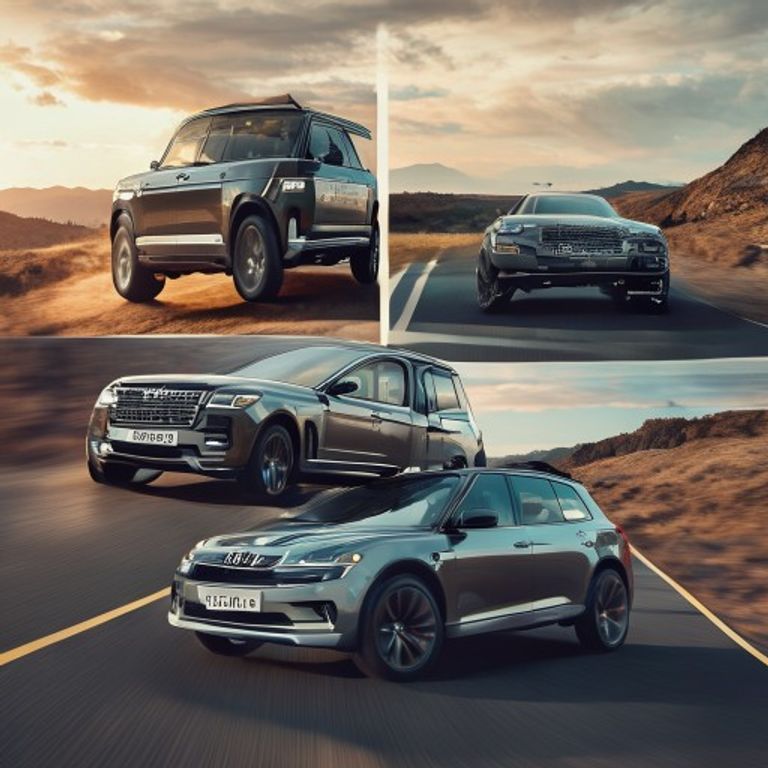
Land Rover has announced that the Discovery Sport, its popular compact luxury SUV, will cease production in December, marking the end of its 11-year run. The 2026 model year is confirmed to be the final iteration of the vehicle that has served as a cornerstone of the brand’s accessible premium offerings for over a decade.
The decision to discontinue the Discovery Sport comes as part of a broader strategic evolution within Jaguar Land Rover, often referred to as JLR, as it navigates an increasingly competitive and rapidly electrifying global automotive market. While specific reasons for the timing of this particular model’s conclusion are part of internal corporate strategy, such moves are common as manufacturers streamline their portfolios, consolidate platforms, and pivot towards new technologies and brand identities.
The Discovery Sport’s Journey: A Brief History
First introduced to the market in 2014 as a 2015 model year vehicle, the Discovery Sport effectively succeeded the Land Rover Freelander 2 (known as the LR2 in North America). From its inception, it was designed to be a versatile and family-friendly entry point into the Land Rover brand, combining premium features with a practical footprint. It quickly carved out a significant niche, appealing to those who desired Land Rover’s renowned capability and luxury in a more compact and attainable package.
Key to its appeal was its innovative 5+2 seating configuration, a rare offering in the compact SUV segment that provided exceptional flexibility for growing families or those needing occasional extra passenger capacity. This, coupled with its distinctive design language, which borrowed cues from the larger Discovery, and its impressive off-road prowess relative to its class, made it a compelling choice.
Over its lifespan, the Discovery Sport underwent several refinements, including a significant mid-cycle update that introduced JLR’s efficient Ingenium engine family across its lineup, alongside enhancements in infotainment and driver-assistance technologies. These updates ensured the vehicle remained competitive and aligned with evolving consumer expectations for connectivity and safety.
Strategic Implications of the Discontinuation
The cessation of the Discovery Sport’s production is indicative of the dynamic shifts occurring across the automotive industry. Manufacturers routinely evaluate their product portfolios to ensure alignment with long-term strategic goals, which often include focusing on higher-margin vehicles, reducing platform complexity, and accelerating the transition to electric powertrains. For JLR, this aligns with its ‘Reimagine’ strategy, which emphasizes a move towards three distinct ‘Houses of Brands’: Range Rover, Defender, and Discovery.
While the Discovery Sport was an integral part of the ‘Discovery’ family, its retirement may signal a recalibration of what the Discovery sub-brand represents in the future. It could imply a move towards different vehicle types or sizes within that pillar, or simply a consolidation of efforts on other models that better fit the brand’s evolving vision for luxury and capability in the coming era of electrification.
The Legacy and Impact of a Popular SUV
During its more than a decade on the market, the Discovery Sport made a substantial contribution to Land Rover’s global sales figures and brand accessibility. It successfully introduced countless new customers to the Land Rover experience, many of whom might not have considered the brand due to the larger size or higher price point of other models. Its legacy is marked by its ability to blend practicality with premium aspirations, creating a unique proposition in the compact SUV segment.
Its enduring popularity stemmed from a combination of factors:
- Versatile 5+2 Seating: A standout feature offering unparalleled flexibility for families.
- Authentic Land Rover Capability: Maintaining the brand’s reputation for all-terrain performance in a city-friendly package.
- Premium Design and Materials: Offering a luxurious cabin experience that belied its accessible positioning.
- Modern Technology: Continuously updated with contemporary infotainment and safety features.
These attributes ensured its appeal to a broad demographic, from urban adventurers to suburban families.
Looking Ahead for Land Rover
The departure of the Discovery Sport will undoubtedly leave a gap in Land Rover’s product lineup, specifically in the entry-level premium compact SUV segment. However, this move is likely a calculated step in JLR’s ongoing transformation. The company has made clear its intentions to significantly electrify its portfolio and reinforce the distinct identities of its Range Rover, Defender, and Discovery brand pillars.
While JLR has not announced a direct replacement for the Discovery Sport, its discontinuation allows the company to reallocate resources and focus on developing next-generation vehicles that align with future market demands and technological advancements, particularly in the realm of electric vehicles. It underscores a strategic move towards a more focused, luxury-centric, and electrified future for the iconic British brand.
As the Discovery Sport concludes its production run in December, and with the 2026 model year being its last, it leaves behind a legacy as a highly capable, versatile, and beloved vehicle that played a crucial role in shaping Land Rover’s presence in the compact SUV market. Its exit marks the end of an era, but also signals the beginning of a new chapter for the evolving Land Rover brand.
Source : https://www.caranddriver.com/news/a73276744/land-rover-discovery-sport-discontinued/

