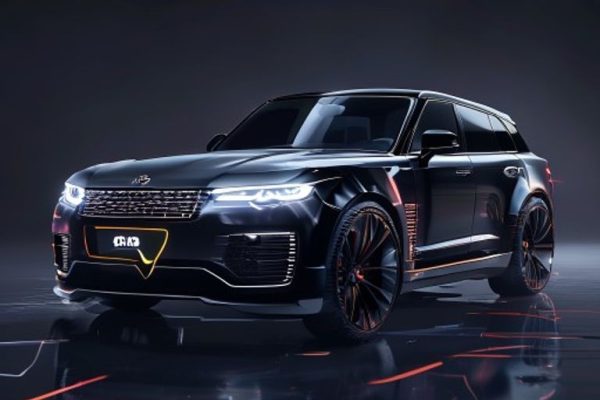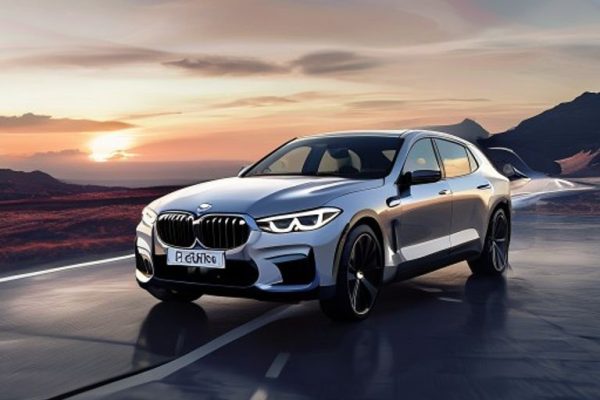



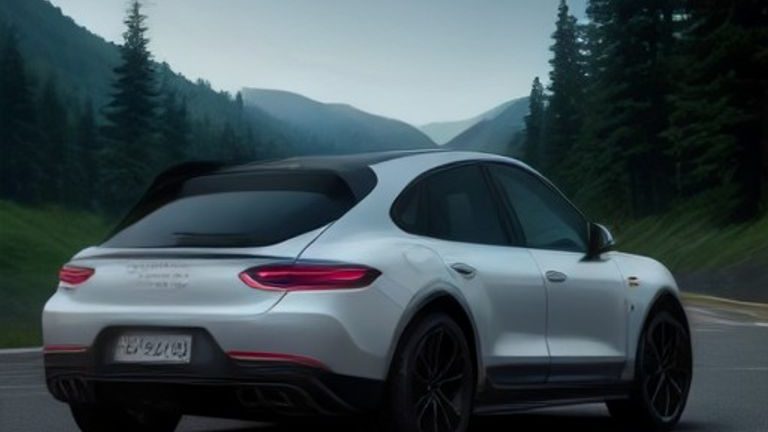
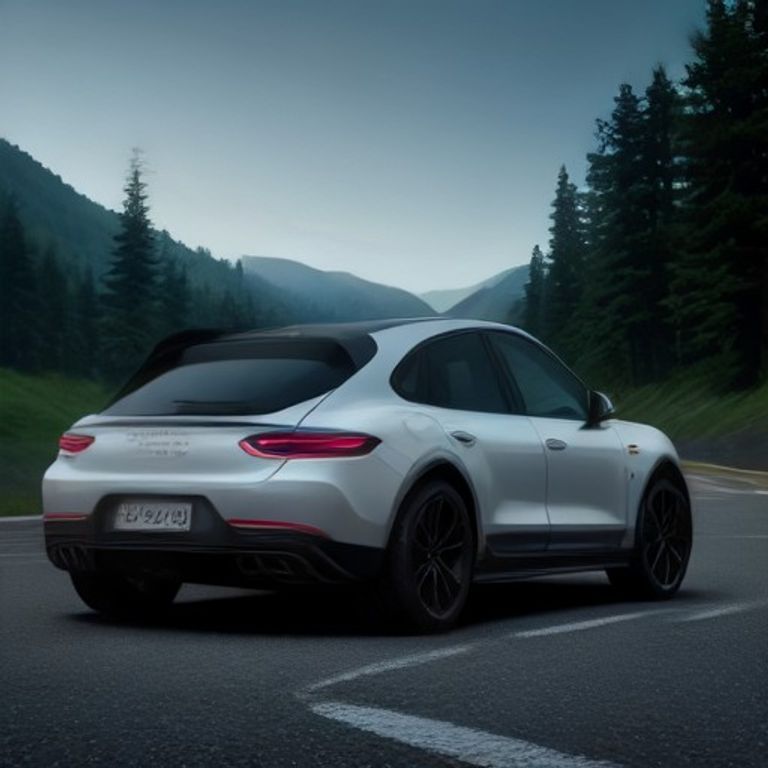
In the rapidly evolving landscape of electric vehicles, the traditional automotive hierarchy is being challenged and redefined. As manufacturers push the boundaries of performance and technology, fascinating juxtapositions emerge. One such intriguing comparison, often framed as a David-and-Goliath battle, involves the highly anticipated Porsche Macan GTS Electric and the already acclaimed Hyundai Ioniq 5 N. On the surface, these two electric compact performance SUVs hail from vastly different segments, representing distinct brand philosophies and price points. Yet, a deeper look into the capabilities and design intentions behind these vehicles begs an audacious question: are they, in fact, more similar than different?
The Premium Performance Standard: Porsche Macan GTS Electric
Porsche’s entry into the electric performance SUV market with the Macan GTS Electric carries the weight of immense brand expectation. The Macan, in its internal combustion form, has long been revered for blending sports car dynamics with SUV practicality. Translating this essence to an electric platform, particularly under the esteemed ‘GTS’ designation, signifies a commitment to uncompromised driving exhilaration and sophisticated engineering.
For Porsche, the GTS badge is more than just trim; it denotes a finely tuned vehicle that prioritizes driver engagement and dynamic prowess, often sitting as a sweet spot in the performance hierarchy. With the electric Macan, we can anticipate a vehicle built on the advanced Premium Platform Electric (PPE) architecture, co-developed with Audi. This platform is designed from the ground up to support high-performance electric powertrains, featuring 800-volt technology for rapid charging and sustained power delivery. Key characteristics expected from the Macan GTS Electric include:
- Porsche’s Signature Driving Dynamics: Expect meticulously tuned suspension, precise steering, and advanced torque vectoring, all aimed at delivering the tactile feedback and agility synonymous with the brand.
- Powerful Electric Powertrains: Dual motors are a certainty, offering all-wheel drive and formidable horsepower and torque figures characteristic of a GTS model.
- Premium Interior and Craftsmanship: High-quality materials, ergonomic design, and advanced infotainment systems will underscore its luxury positioning.
- Sophisticated Thermal Management: Critical for sustained high performance, Porsche’s experience with the Taycan suggests robust cooling systems for the battery and motors.
The Macan GTS Electric is poised to redefine what a premium electric performance SUV can be, setting a benchmark for refinement, speed, and driver satisfaction.
The Enthusiast’s Challenger: Hyundai Ioniq 5 N
On the other side of the ring stands the Hyundai Ioniq 5 N, a vehicle that has already captivated automotive enthusiasts and critics alike. Hyundai’s N division has successfully carved out a niche for delivering engaging, track-capable performance vehicles at a more accessible price point. With the Ioniq 5 N, they have unequivocally demonstrated that electric vehicles can also be thrilling and emotionally resonant.
The Ioniq 5 N takes the already appealing Ioniq 5 platform and injects it with a potent dose of N division magic. It’s not merely a power upgrade; it’s a holistic re-engineering aimed at maximizing driver involvement. Its innovative features are designed to emulate and even enhance the traditional performance car experience. Publicly acclaimed aspects of the Ioniq 5 N include:
- Unleashed Electric Performance: Boasting powerful dual motors, the Ioniq 5 N delivers blistering acceleration, often enhanced by features like N Grin Boost for temporary power surges.
- Driver-Centric Technologies: Innovative systems like N e-shift, which simulates the feel of a multi-gear transmission, and N Sound+, providing a choice of engaging audio profiles, aim to connect the driver to the machine.
- Track-Ready Durability: Robust battery cooling systems and enhanced braking capabilities are engineered for sustained high-performance driving, even on a circuit.
- Aggressive and Functional Design: Aerodynamic enhancements, larger wheels, and a more aggressive stance not only look the part but contribute to its dynamic capabilities.
The Ioniq 5 N has quickly established itself as a benchmark for how to make an electric performance car fun and engaging, proving that value and excitement are not mutually exclusive.
The Premise of Similarity: Beyond Brand and Price
The suggestion that these two vehicles could be more similar than different stems from the fundamental nature of electric powertrains and the challenges and opportunities they present. Regardless of brand prestige or price tag, all high-performance EVs grapple with similar engineering considerations, leading to a surprising convergence in how they achieve their goals.
Both the Macan GTS Electric and the Ioniq 5 N are designed to deliver exhilarating performance and engaging driving experiences in an SUV package. The core commonalities include:
- Instantaneous Torque and Acceleration: Electric motors inherently provide immediate torque, blurring the lines of what constitutes ‘fast’ across different segments. Both vehicles will offer breathtaking straight-line acceleration.
- Advanced Battery and Thermal Management: Sustained performance requires sophisticated battery cooling and power management systems. Both manufacturers are heavily invested in ensuring their vehicles can perform repeatedly without significant degradation.
- Sophisticated Chassis and Suspension Tuning: Mitigating the weight of large battery packs and harnessing immense power demands highly advanced suspension systems, adaptive dampers, and precise steering calibration, which both vehicles are expected to feature.
- Software-Defined Performance: A significant portion of an EV’s character is sculpted through software, controlling everything from power delivery to driving modes and torque vectoring. This allows both brands to imbue their vehicles with distinct, yet equally effective, performance profiles.
- A Focus on Driver Engagement: While their methods may differ (Porsche’s nuanced precision vs. Hyundai’s overt theatricality), both aim to make the driver feel connected and excited, moving beyond mere acceleration figures.
The ‘David-and-Goliath’ narrative holds true in terms of brand perception and market position, but in the realm of raw electric performance and engineering solutions, the playing field is leveling in ways previously unimaginable.
Acknowledging the Nuances of Difference
While the argument for similarity in performance execution holds weight, it’s crucial to acknowledge the enduring differences that will inevitably separate these two electric SUVs. These distinctions often lie in the details, the intangible brand experience, and the targeted demographic.
Key areas where differences will persist include:
- Brand Ethos and Perceived Luxury: Porsche’s long-standing reputation for precision engineering, exquisite materials, and exclusivity will define the Macan GTS Electric’s interior and overall ownership experience, contrasting with Hyundai’s focus on innovative value and modern aesthetic.
- Driving Character and Feel: While both aim for engagement, Porsche’s approach is typically one of refined control and nuanced feedback, whereas Hyundai N’s philosophy tends towards more overt, playful, and sometimes more aggressive dynamics.
- Price Point and Accessibility: The most obvious differentiator. The Macan GTS Electric will command a significantly higher price, placing it in a premium segment that remains out of reach for many, while the Ioniq 5 N offers high performance at a comparatively more attainable cost.
- After-Sales Experience and Customization: Premium brands often offer extensive customization options and a white-glove service experience that differs from mainstream manufacturers.
Ultimately, these differences cater to diverse consumer desires and financial capacities, ensuring that while their performance might converge, their market positions remain distinct.
The juxtaposition of the Porsche Macan GTS Electric and the Hyundai Ioniq 5 N provides a compelling snapshot of the current automotive landscape. It highlights how electric powertrains are democratizing performance, allowing vehicles from different segments to achieve similar levels of speed and dynamic capability. The question of whether they are ‘more similar than different’ is not about which car is ‘better,’ but rather about appreciating the shared engineering challenges and solutions that both brands have embraced to deliver thrilling electric performance SUVs. As the EV revolution continues, expect more such unexpected comparisons that challenge traditional automotive perceptions and redefine what’s possible on the road.
Source : https://www.caranddriver.com/news/a73545392/porsche-macan-gts-electric-vs-hyundai-ioniq-5-n-tested/