


I See Dead Cars: A Daily Trip Down Memory Lane
“Men are tormented with the opinions they have of things, not by the things themselves.” —Epictetus
The title “I See Dead Cars: A Mailman’s Daily Trip Down Memory Lane” evokes a powerful image, one that resonates deeply within the automotive enthusiast and casual observer alike. It’s a poignant reflection not just on the physical state of forgotten vehicles, but on the profound psychological and emotional landscape they inhabit within our minds. While the titular mailman serves as a metaphor for any regular observer, the essence of the experience lies in the constant, often subconscious, encounter with relics of a bygone era.
The Silent Sentinels of Decay
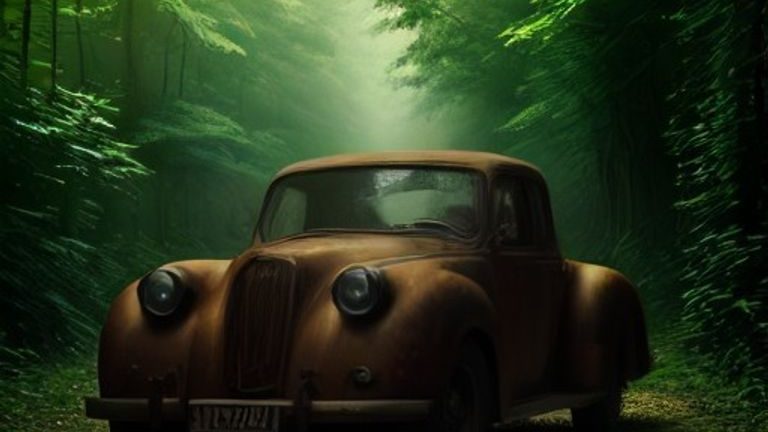
What defines a “dead car”? It is more than just a broken-down vehicle. A dead car is one that has completed its utility, its purpose, and has been left to the relentless forces of nature and time. These aren’t simply cars awaiting repair; they are monuments to obsolescence, hulking masses of metal, glass, and rubber slowly yielding to rust, overgrowth, and the elements. They dot our landscapes, from rural fields and forgotten driveways to the edges of urban parking lots, silent sentinels bearing witness to the passage of decades. Each flat tire, shattered window, and patch of rust tells a story not necessarily of mechanical failure, but of human neglect and the inevitable cycle of creation and decay.
For someone traversing the same routes day after day, these dead cars become fixed points in a changing world. They are the constants, often unnoticed by the casual glance, but deeply ingrained in the subconscious inventory of familiar surroundings. A mailman, for instance, sees not just the addresses on their route, but the gradual accumulation of dust on an abandoned sedan, the slow creep of ivy up a forgotten pickup truck, or the deepening patina of rust on a once-gleaming coupe. This daily exposure fosters a unique relationship with these inanimate objects, transforming them from mere scrap into triggers for introspection.
Memory Lane Paved with Steel and Rust
This daily journey transforms into a trip down memory lane, not necessarily for the car’s original owner, but for the observer. The “dead cars” act as powerful anachronisms, pulling the viewer back to periods when these machines were vibrant symbols of progress, status, or simple utility. They are:
- Echoes of Design Eras: A glimpse of a finned Cadillac or a rounded VW Beetle instantly transports one to the aesthetic sensibilities of the 50s or 60s, showcasing how automotive design mirrored societal trends.
- Reminders of Personal Histories: While not the observer’s own car, the sight of a specific model might evoke memories of a parent’s first vehicle, a memorable family road trip, or even the era of a first job.
- Symbols of Economic Shifts: The prevalence of certain forgotten models can speak volumes about industrial changes, the rise and fall of automotive companies, or shifts in consumer preferences over time.
- Testaments to Ingenuity and Obsolescence: They represent peak engineering from a specific period, now rendered obsolete by technological advancements, underscoring the relentless march of progress.
It’s not just the physical decay that captures attention, but the vivid contrast between their current state and their intended glory. These machines, designed for movement, freedom, and connection, now stand utterly motionless, disconnected from the very purpose for which they were created. They embody a silent, almost tragic irony.
Epictetus and the Perception of Automotive Relics
Epictetus’ timeless wisdom, “Men are tormented with the opinions they have of things, not by the things themselves,” provides the philosophical cornerstone for understanding this phenomenon. A rusted hulk of metal is, in itself, merely iron oxide and degraded polymers. Its physical presence is inert. The “torment” or, more aptly, the profound emotional and intellectual engagement it provokes, stems entirely from our *interpretation* of that object.
It is our mind that overlays the rust with narratives of forgotten dreams, squandered potential, and the inexorable passage of time. The car does not inherently possess “memory”; it is our human capacity for memory, nostalgia, and empathy that projects these qualities onto it. We see not just a broken windshield, but the ghost of journeys taken. We observe not merely deflated tires, but the phantom revolutions of wheels across countless miles. The true “memory lane” is constructed not by the physical vehicles themselves, but by the neural pathways within our own brains, triggered by their poignant presence.
These dead cars serve as powerful memento mori, reminders of the transient nature of all things, including the most robust feats of engineering. They invite us to reflect on our own relationships with material possessions, the value we ascribe to them, and how those values shift over time. Ultimately, the “dead cars” are not just fascinating automotive relics; they are mirrors reflecting our own opinions, memories, and philosophical musings on life, death, and the ceaseless journey of existence.
Source : https://www.caranddriver.com/features/a15135647/classic-cars-left-for-dead/