


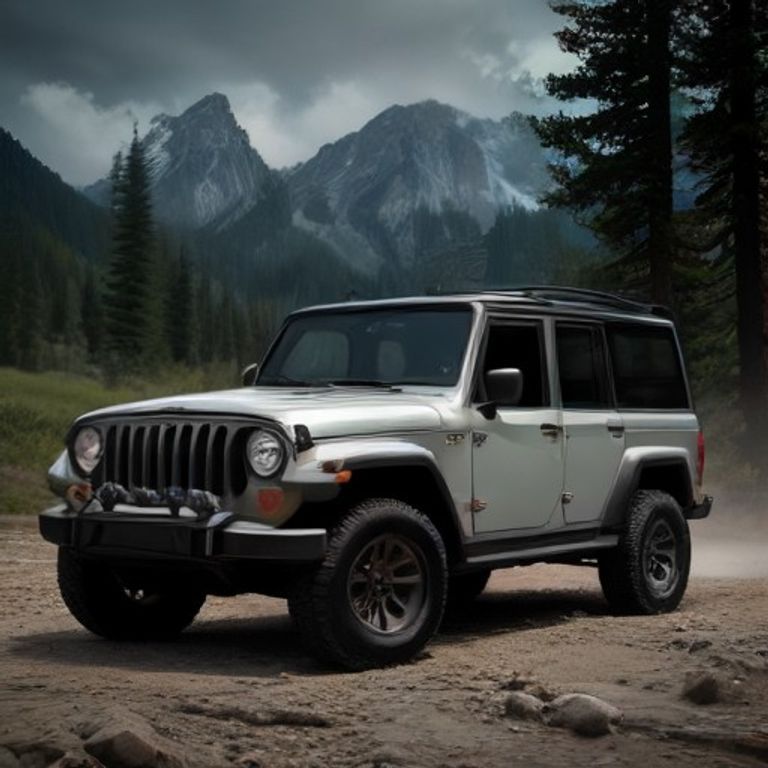
Jeep and Ram Electrification Efforts See Production Adjustments
Stellantis, the automotive conglomerate behind iconic brands like Jeep and Ram, has announced revised timelines for two of its highly anticipated electrified vehicles. Prospective buyers and industry watchers will note a shift in the production schedules for the Jeep Grand Wagoneer Hybrid and the Ram 1500 REV, reflecting the dynamic and often complex nature of automotive development and manufacturing.
The production start for the luxurious Jeep Grand Wagoneer Hybrid is now slated to commence in November. Meanwhile, the Ram 1500 REV, the brand’s foray into the increasingly competitive electric full-size pickup truck segment, will see its launch pushed further, with production now anticipated to begin next spring. These adjustments underscore the intricate challenges and meticulous processes involved in bringing advanced electrified powertrains to market, particularly for high-volume and technologically sophisticated vehicles.
Understanding the Revised Timelines
The modification in production start dates for these pivotal models carries implications for both the manufacturers and eager consumers.
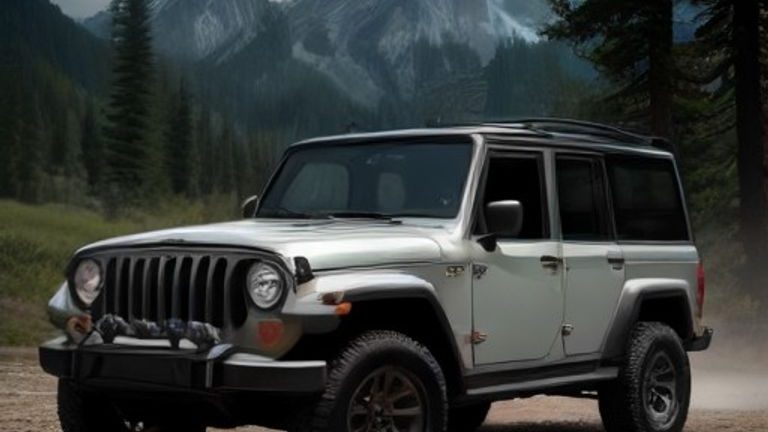
- Jeep Grand Wagoneer Hybrid: A November production target indicates that the premium SUV’s electrified variant will begin rolling off assembly lines later than perhaps initially planned. Dealership availability and customer deliveries will consequently follow this updated schedule, likely pushing initial customer hands-on experiences into late 2024 or early 2025. This model is crucial for expanding Jeep’s electrified offerings beyond its existing 4xe models, aiming to attract discerning buyers looking for a more sustainable option without compromising on luxury or capability.
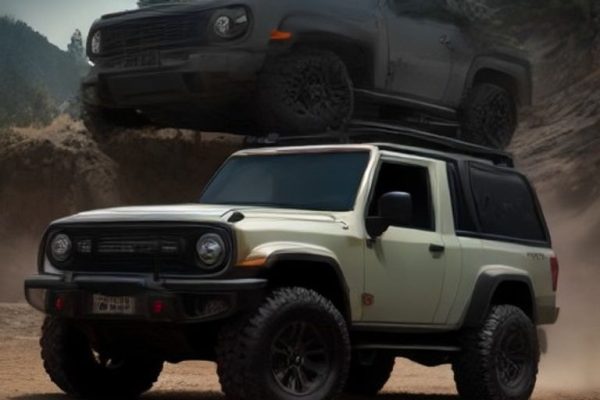
- Ram 1500 REV: The delay of the Ram 1500 REV until « next spring » represents a more significant deferral. For a vehicle poised to enter a rapidly expanding and hotly contested market segment, such a shift means Ram will enter the fray later than some competitors. « Next spring » typically refers to spring of the following year (e.g., spring 2025 if news is late 2024). This extended wait allows Ram additional time for development, refinement, and pre-production testing, aiming to ensure the vehicle meets the brand’s high standards and customer expectations upon launch in a critical segment.
The Broader Context of Automotive Delays
While specific reasons for these particular delays have not been explicitly detailed by Stellantis in the provided information, product launch adjustments are not uncommon in the modern automotive industry. A myriad of factors can contribute to such shifts, especially when dealing with new technologies and complex supply chains.
Common reasons for automotive production delays, particularly concerning electric and hybrid vehicles, often include:
- Supply Chain Volatility: Global supply chains for critical components like semiconductors and battery materials continue to experience instability, impacting production schedules.
- Software Development: Crafting robust, bug-free software for powertrains, infotainment, and ADAS is an enormous undertaking requiring extensive testing and refinement.
- Battery Technology Integration: Sourcing, developing, and safely integrating high-voltage battery systems while ensuring optimal performance and range presents unique engineering challenges.
- Quality Control and Validation: Rigorous testing for durability, safety, and performance is essential. Identifying and rectifying issues during validation can necessitate production delays.
- Regulatory Compliance: Meeting stringent global emissions, safety, and homologation standards for diverse markets often requires significant testing and design adjustments.
- Manufacturing Tooling: Setting up new production lines for electrified vehicles is a lengthy, capital-intensive process, requiring precise calibration for new designs.
Strategic Importance and Market Impact
For both Jeep and Ram, these electrified models are critical pillars in their respective brand strategies and Stellantis’s overarching « Dare Forward 2030 » electrification plan. The Grand Wagoneer Hybrid will offer a compelling blend of luxury, capability, and improved efficiency, expanding Jeep’s electrified portfolio.
The Ram 1500 REV is even more strategically vital. The full-size pickup truck market is fiercely competitive and lucrative. Ram’s entry with an all-electric model is essential for retaining market share and appealing to new buyers who prioritize electrification alongside traditional truck attributes like towing and hauling. With competitors like the Ford F-150 Lightning already available and others emerging, the timing of Ram’s electric pickup launch is a key factor in its competitive positioning. The additional development time could be utilized to fine-tune its performance, range, and charging to stand out.
Delays in highly anticipated models can be disappointing for consumers with pre-orders, but they are also widely understood as a means to deliver a more refined and higher-quality final product. Automakers often choose to delay rather than release a product that doesn’t meet stringent quality or performance benchmarks, which could ultimately damage brand reputation. These adjustments might give competitors a slight window, but they also highlight the intense investment and development cycles required for cutting-edge EV technology.
Stellantis’s commitment to these models remains clear, and the updated timelines suggest a focus on ensuring these vehicles are thoroughly developed and ready to deliver on their promises. As the automotive industry continues its rapid transition, such production adjustments are likely to remain part of the landscape. Consumers and enthusiasts will now mark their calendars for November for the Grand Wagoneer Hybrid and next spring for the Ram 1500 REV, anticipating the arrival of these significant electrified offerings.
Source : https://www.caranddriver.com/news/a73615792/jeep-grand-wagoneer-hybrid-ram-1500-rev-delayed/