
The Sterling 825/827: A Curious Case of Anglo-Japanese Ambition
The automotive landscape is replete with vehicles that, while perhaps not lauded universally for their perfection, hold a distinct and often cherished place in the hearts of those who knew them. These are not necessarily the fastest, the most beautiful, or the most technologically advanced machines. Instead, they often emerge as testaments to unique design philosophies, ambitious collaborations, or simply a peculiar charm that defies easy categorization. The 1987–91 Sterling 825 and 827 models exemplify this sentiment, standing as intriguing, often misunderstood, entries in the annals of automotive history.
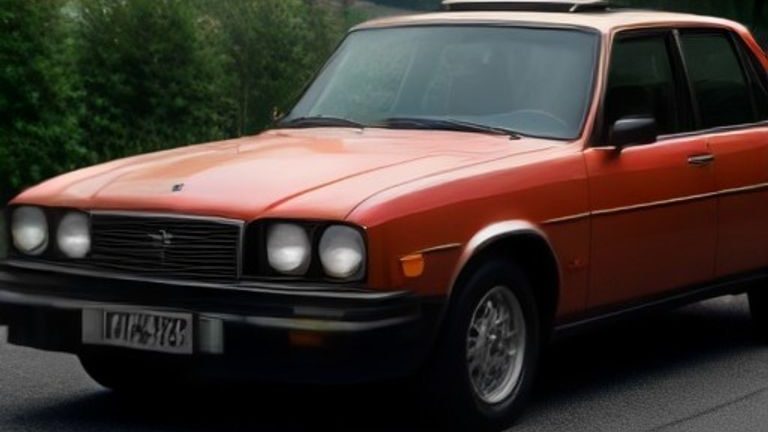
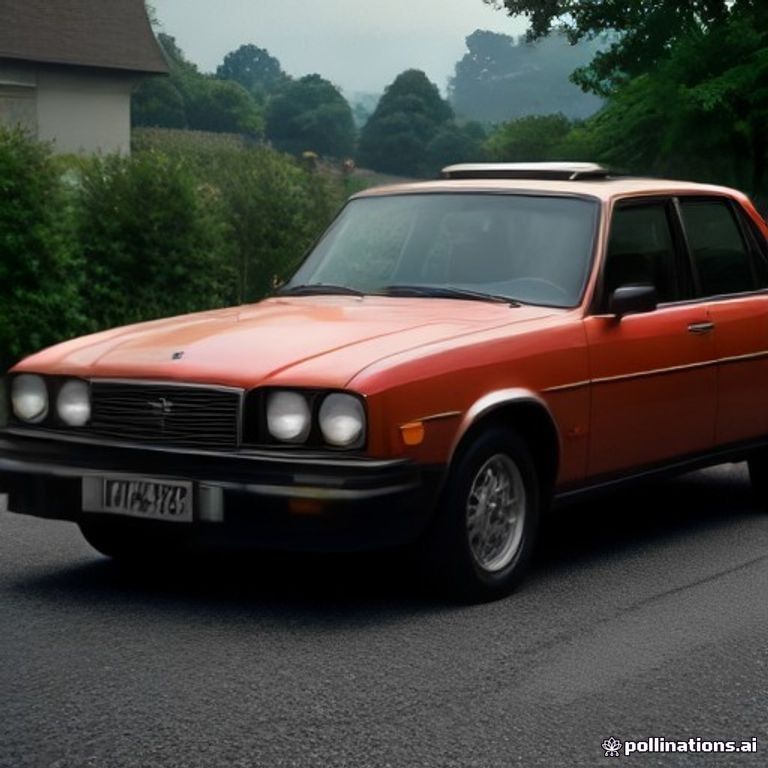
Conceived from a significant Anglo-Japanese collaboration between the Rover Group and Honda, the Sterling brand was launched in North America with considerable aspirations. The aim was to carve out a niche in the lucrative premium segment, offering a compelling blend of British luxury and European style fused with the burgeoning reputation for reliability that Japanese engineering, particularly Honda’s, had cultivated. The Sterling 825, introduced for the 1987 model year, was essentially a rebadged and re-engineered version of the Rover 800-series (known as Project XX), sharing its underpinnings with the acclaimed Acura Legend.
The strategy appeared sound on paper: leverage Honda’s proven chassis, its smooth 2.5-liter V6 engine, and a reliable automatic transmission, then cloister it within a distinctly British body shell adorned with luxurious appointments. Early models of the 825 featured Rover’s interpretation of a sophisticated interior, complete with genuine wood trim, supple leather upholstery, and a dashboard layout that aimed for ergonomic elegance. The exterior design was sleek and contemporary for its era, a clean profile that differentiated it from more staid German rivals and the emerging Japanese luxury contenders. It presented an alternative – a car with a clear European flavor, yet with the promise of Japanese mechanical fortitude.
However, the narrative of the Sterling 825/827 quickly shifted from one of potential to one of pronounced idiosyncrasy. While the Honda-sourced powertrain components largely lived up to their promise of durability and smooth operation, the British-built elements of the car proved to be its Achilles’ heel. The meticulous quality control associated with Japanese manufacturing did not consistently translate to the Rover production lines responsible for the Sterling. This disparity led to a raft of issues that rapidly undermined the brand’s credibility and the car’s initial appeal.
Owners and critics alike frequently reported problems with the Sterling’s build quality and electrical systems. These were not minor grievances but often significant flaws that affected daily usability and the perception of luxury. Common complaints included:
- Electrical Malfunctions: The infamous Lucas electrical components, prevalent in many British cars of the era, contributed to issues ranging from unreliable power windows and central locking to sporadic dashboard warning lights and non-functioning accessories.
- Interior Trim Quality: Despite the premium materials, fit and finish often fell short of expectations for a luxury vehicle. Rattles, squeaks, and premature wear of interior plastics or trim pieces were not uncommon.
- Paint and Exterior Finish: Early models sometimes suffered from less-than-perfect paint application, leading to concerns about durability and appearance over time.
- Water Leaks: Seal integrity around windows and doors could be inconsistent, leading to unwelcome water ingress in certain conditions.
These recurring issues quickly tarnished the Sterling’s reputation, overshadowing the strengths of its Honda heart and its comfortable, composed ride. The promise of “Honda reliability with British luxury” became an ironic marketing slogan, as the British assembly and componentry often compromised the former. In response to some of these challenges, and to address the need for more power, the Sterling 827 was introduced for the 1989 model year, featuring an enlarged 2.7-liter Honda V6 and an improved automatic transmission. While these mechanical upgrades were positive, they couldn’t entirely reverse the damage to the brand’s image.
The commercial failure of Sterling in North America was swift and comprehensive, leading to its withdrawal from the market after the 1991 model year. Despite its struggles, the Sterling 825/827 remains a captivating vehicle. When one encountered a well-maintained example, or one that had its early kinks ironed out, the intrinsic qualities shone through: a refined ride, precise steering, and the Honda V6’s characteristic smoothness and eagerness. The spacious interior, with its distinctive blend of wood and leather, offered a unique ambiance that was neither fully Japanese nor entirely German.
For those who appreciate automotive history’s more circuitous paths, the Sterling 825/827 represents a fascinating case study in ambition, collaboration, and the complexities of manufacturing. It embodies a willful peculiarity – a car that bravely attempted to bridge two distinct automotive cultures, resulting in a machine that was intractably idiosyncratic. It dared to be different, and though its commercial journey was fraught with difficulties, it left behind a legacy as a genuinely unique, if imperfect, creation that continues to evoke a certain fondness among enthusiasts who value character over flawless execution.
Source : https://www.caranddriver.com/features/a73961571/the-best-odds-1987-91-sterling-825-827/