
Hybrid or Gas? Navigating the Powertrain Choice for Popular Vehicles
In today’s automotive market, car buyers face an increasingly complex decision: opt for a traditional gasoline-powered vehicle or embrace the growing appeal of a hybrid. Each offers distinct advantages and disadvantages, primarily revolving around fuel economy, initial purchase price, and driving experience. While hybrids consistently deliver superior fuel efficiency, their upfront cost is often higher. Conversely, non-hybrid counterparts typically come with a lower sticker price but incur greater fuel expenses over time. This fundamental trade-off forms the core of a decision that impacts not just your wallet, but also your daily driving enjoyment and environmental footprint.
To help navigate this choice, we’ve considered the various factors at play across a spectrum of popular vehicle types, including sedans, trucks, sports cars, and SUVs. Our aim is to provide a comprehensive framework for understanding when a hybrid powertrain makes the most sense, and equally important, when a conventional gasoline engine might still be the preferred option. The ‘better choice’ is rarely universal; instead, it’s deeply personal, influenced by individual driving habits, budget constraints, and priorities.
The Enduring Appeal of Hybrid Powertrains: Efficiency and Beyond
The primary draw of a hybrid vehicle lies in its enhanced fuel economy. By combining a gasoline engine with an electric motor and battery pack, hybrids are designed to optimize energy usage. This is particularly evident in city driving, where hybrids can operate solely on electric power at low speeds, or utilize regenerative braking to recapture energy that would otherwise be lost. The result is fewer trips to the gas station and significant long-term savings on fuel costs, especially for drivers who accumulate high mileage annually.
Beyond efficiency, hybrids often offer a refined driving experience. The electric motor provides instant torque, leading to smoother acceleration from a standstill. The ability to glide silently on electric power in urban environments contributes to a quieter, more serene cabin. Furthermore, reducing reliance on fossil fuels translates to lower tailpipe emissions, making hybrids an attractive option for environmentally conscious consumers. The continuous advancements in battery technology and hybrid system integration mean that modern hybrids are more reliable and performant than ever before, dispelling many older misconceptions about their complexity or maintenance costs.
The Case for Non-Hybrid Vehicles: Simplicity and Value
Despite the rise of hybrids, conventional gasoline-powered vehicles retain a strong position in the market, primarily due to their typically lower initial purchase price. For many buyers, the immediate savings on the sticker price can be a powerful incentive, especially when working within a strict budget. This lower entry point makes a wide range of vehicles more accessible, allowing consumers to acquire a car that meets their needs without the added premium often associated with hybrid technology.
Non-hybrid vehicles also benefit from their relative simplicity. A purely gasoline engine, while undergoing continuous refinement, is a more mature technology with a well-understood maintenance profile. For those who prefer a straightforward mechanical setup without the added electrical components, a gas-only car offers a familiar experience. In some performance-oriented segments, non-hybrid engines can still offer a raw, unadulterated power delivery and a distinct engine note that enthusiasts cherish, which might be diluted in a hybrid setup. For drivers with very low annual mileage, the projected fuel savings from a hybrid might not offset its higher initial cost within a reasonable timeframe, making the non-hybrid option more economically sensible.
Key Factors in Your Powertrain Decision
Making the right choice between a hybrid and a gasoline vehicle hinges on several critical factors unique to each buyer:
- Driving Habits: If your commute involves extensive stop-and-go city traffic, a hybrid’s ability to maximize electric power in these scenarios will yield substantial fuel savings. For predominantly highway drivers, the efficiency gap between hybrid and gas narrows, though hybrids still generally hold an edge.
- Annual Mileage: The more miles you drive each year, the faster the fuel savings from a hybrid will offset its higher initial cost. High-mileage drivers are almost always better served by a hybrid in terms of total cost of ownership over the vehicle’s lifespan.
- Budget & Total Cost of Ownership: Beyond the sticker price, consider insurance, maintenance, and projected fuel costs. While hybrids might cost more upfront, their lower fuel consumption often leads to lower total ownership costs over several years.
- Vehicle Type & Priorities:
- Sedans: Many popular sedans offer excellent hybrid options that significantly boost efficiency without sacrificing comfort or performance, making them strong hybrid candidates for most users.
- SUVs: Given their larger size and weight, SUVs can see dramatic improvements in fuel economy from a hybrid powertrain, especially in urban settings, helping to mitigate the typical higher fuel consumption of these vehicles.
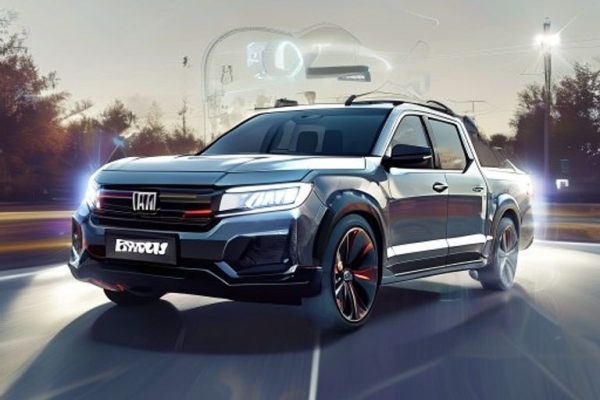
- Trucks: Hybrid powertrains in trucks are emerging, offering benefits like increased low-end torque for hauling and towing, along with modest fuel savings. For those who use their trucks for daily driving and occasional utility, hybrid options are becoming increasingly attractive.
- Sports Cars: This is often where the ‘but not all’ caveat comes into play. While some high-performance hybrids exist, the primary focus for many sports car buyers is raw power, precise handling, and an engaging driver experience. The added weight and complexity of a hybrid system might not align with these priorities for all enthusiasts, making a pure gasoline engine the preferred choice in many instances, especially when an equivalent hybrid variant isn’t focused on the same performance metrics.
Our Perspective: When to Lean Hybrid, When to Consider Gas
Based on these considerations, our assessment leans towards recommending hybrid powertrains for most popular sedans, SUVs, and even many trucks. For the average commuter, family hauler, or individual seeking to minimize their environmental impact and long-term fuel expenditure, the hybrid advantage in fuel economy and refined driving characteristics makes it a compelling choice. The initial price premium is frequently recouped through fuel savings within a few years, making it a sound financial decision over the vehicle’s lifespan, especially in an era of fluctuating fuel prices.
However, the ‘not all’ part of our stance is crucial. For buyers with a stringent upfront budget where every dollar counts, or for those whose driving patterns involve very low annual mileage, the immediate cost savings of a non-hybrid might make more sense. Furthermore, in specialized segments like certain sports cars, where the driving experience is paramount and efficiency is a secondary concern, a traditional gasoline engine might offer the more fulfilling and uncompromised performance that enthusiasts seek. Ultimately, the best powertrain aligns perfectly with your specific needs, financial situation, and driving preferences.
Source : https://www.caranddriver.com/features/a74079397/hybrid-vs-gas-which-to-choose/