
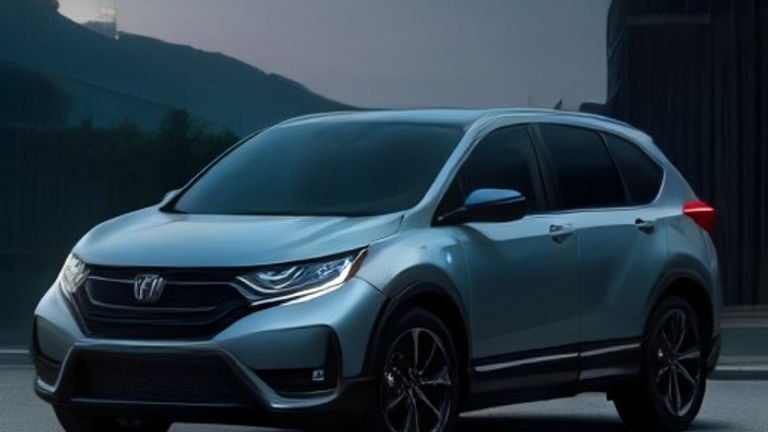
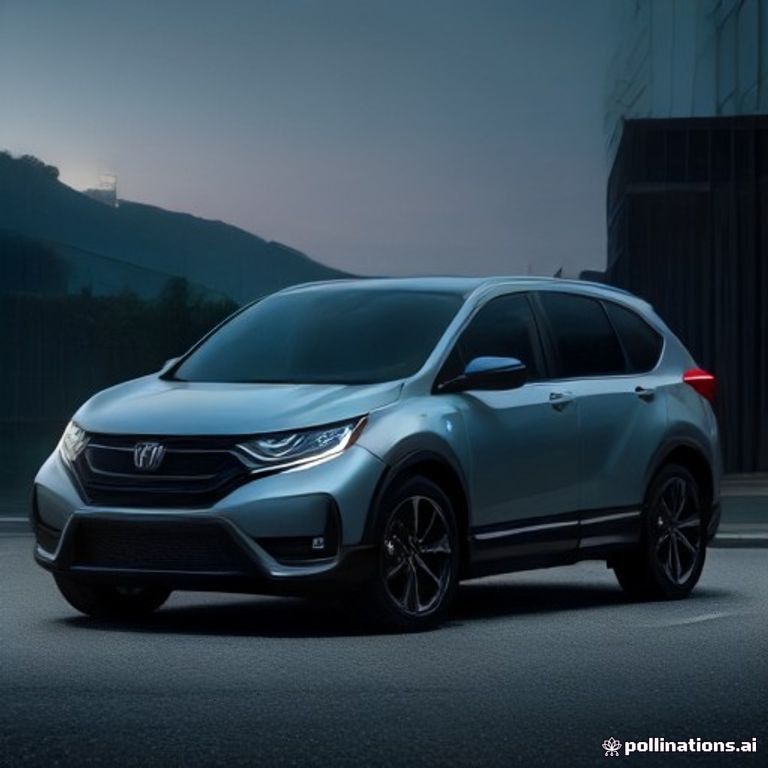
The highly anticipated next-generation Honda CR-V Hybrid is reportedly facing a three-month production delay. This news coincides with a significant manufacturing strategic shift: the new CR-V is slated to eventually take over the production line previously occupied by the Honda Civic at the company’s Indiana plant. These developments signal potential adjustments to Honda’s launch timeline for one of its most crucial models, underscoring broader challenges impacting the global automotive industry.
The Significance of the Next-Generation CR-V Hybrid
The Honda CR-V has consistently been a global sales leader and a cornerstone of the brand’s success. Its blend of practicality, reliability, and fuel efficiency has made it a firm favorite in the compact SUV segment. As the automotive industry pivots towards electrification, the next-generation CR-V Hybrid holds immense strategic importance. It’s expected to play a crucial role in meeting evolving environmental regulations and satisfying growing consumer demand for sustainable mobility. An all-new CR-V Hybrid is a pivotal moment for Honda, designed to showcase advancements in powertrain technology and reinforce its market leadership in the hybrid SUV category. Both consumers and dealerships have eagerly awaited details, anticipating significant enhancements in design, technology, and performance, building upon the CR-V’s established legacy. Its success is vital for Honda’s overall sales volume and profitability.
Navigating Production Delays in a Challenging Environment
Reports indicate that production for the next-generation CR-V will commence three months later than initially scheduled. While specific reasons for this reported delay haven’t been officially disclosed by Honda, it’s essential to consider the current global automotive manufacturing context. The industry frequently experiences production cuts and delays due to ongoing issues like semiconductor chip shortages and supply chain disruptions. Furthermore, the extensive process of retooling factories for entirely new models, ensuring robust quality control for advanced integrated technologies, and coordinating complex global suppliers can introduce unforeseen hurdles during the ramp-up phase. Automakers sometimes strategically opt for a slight delay to ensure a perfectly polished product and optimized production processes, prioritizing long-term quality and customer satisfaction over a rushed market entry.
Strategic Plant Reallocation in Indiana
Accompanying the delay is the reported plan for the next-generation CR-V to take over the production spot previously used by the Honda Civic at the Greensburg, Indiana manufacturing facility. This move represents a strategic realignment of production resources within Honda’s North American operations. The Indiana plant is a critical regional manufacturing hub. Dedicating its resources to the high-volume CR-V, especially its hybrid variant, underscores the escalating importance of SUVs within Honda’s product portfolio and the broader automotive market. This reallocation is likely driven by factors such as optimizing logistics, efficiently leveraging existing infrastructure, and responding to evolving consumer demand as market preferences shift from sedans towards versatile SUVs. While implications for Civic production at this specific plant are clear, the broader strategy likely involves optimizing Civic manufacturing elsewhere or reevaluating its overall footprint.
Implications for Honda’s Market Strategy and Outlook
The combined effect of a production delay and plant reallocation highlights Honda’s careful calibration of its future product strategy. While the delay might test patience, it could allow Honda valuable time to fine-tune the next-gen CR-V Hybrid, ensuring a flawless launch. The strategic shift to the Indiana plant is a clear signal of the company’s commitment to prioritizing SUV production in North America, acknowledging prevailing market trends. This dual development implies:
- Adjusted Launch Timeline: Consumers may experience a slightly longer wait for the new CR-V Hybrid.
- Strategic Focus on SUVs: Honda is bolstering its North American manufacturing capacity specifically for SUVs.
- Manufacturing Optimization: The reallocation suggests an effort to streamline production for key, high-demand models.
- Broader Industry Context: These events unfold within an automotive industry navigating complex supply chain challenges.
Looking Ahead
As the automotive world continues to evolve, manufacturers must remain agile. Honda’s reported decisions reflect a measured response to current industry conditions and long-term strategic goals. While a production delay is never ideal, it is often a necessary step to ensure product quality and address unforeseen challenges. The reallocation of plant resources demonstrates a proactive stance in optimizing manufacturing for future market demands. All eyes will now remain on Honda for official announcements regarding the next-generation CR-V Hybrid and its market introduction, which remains a highly anticipated event for the brand and its loyal customer base.
Source : https://www.caranddriver.com/news/a74069141/2028-honda-crv-production-delayed-report/