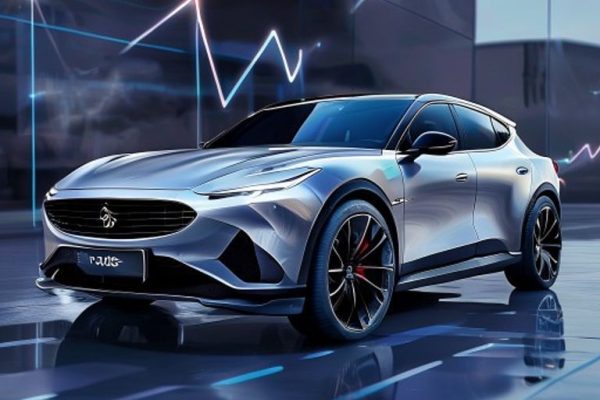

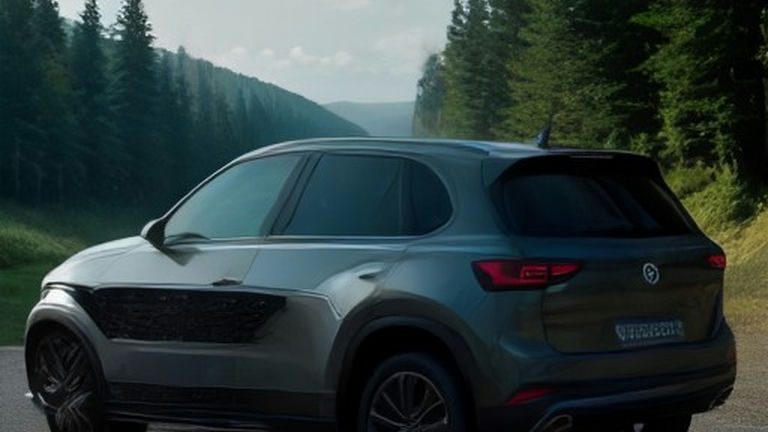
The automotive landscape is constantly evolving, and a fascinating new chapter is poised to unfold in the compact SUV segment. Anticipation is building for the turbocharged 2026 VW Tiguan, expected to bring a fresh perspective to a popular nameplate. It’s set to enter a competitive arena where established players like the Mazda CX-50 have already carved out a significant niche. These high-output compact family SUVs promise plenty of hustle, but the crucial question for many discerning buyers extends beyond raw horsepower: which one proves better when looking at the holistic ownership experience, considering factors from driving dynamics to daily practicality?
While official specifications and detailed comparisons for the 2026 VW Tiguan are still under wraps, we can draw reasonable expectations from Volkswagen’s current trajectory and its commitment to blending performance with family-friendly utility. Similarly, the Mazda CX-50, already known for its distinctive blend of rugged capability and upscale refinement, sets a high bar. This speculative comparison aims to explore the potential strengths and philosophies that will likely define these two compelling contenders, focusing on attributes that matter most to modern families.
The Anticipated 2026 Volkswagen Tiguan: Refined Practicality
Volkswagen has a long-standing reputation for engineering vehicles that combine German precision with everyday usability. The next-generation Tiguan, especially in a turbocharged guise, is expected to continue this tradition, offering a compelling package for families. We anticipate the 2026 Tiguan will leverage Volkswagen’s well-regarded TSI engine technology, known for its efficient power delivery and strong low-end torque, translating into a driving experience that feels both responsive and composed, ideal for diverse driving conditions.
Beyond the powertrain, the Tiguan has traditionally prioritized interior spaciousness and intelligent packaging. Expect the 2026 model to offer a comfortable cabin with ample room for passengers and a generously sized cargo area, making it a practical choice for family life. Volkswagen’s commitment to intuitive technology will likely manifest in a modern digital cockpit, an advanced infotainment system, and a comprehensive suite of driver-assistance features, all designed to enhance convenience and safety. Its driving dynamics are typically balanced, offering a firm yet compliant ride that absorbs road imperfections while maintaining a sense of control.
The Mazda CX-50: Elevated Driving Experience
In contrast, the Mazda CX-50 approaches the segment with a distinct philosophy rooted in driver engagement and a premium aesthetic. Introduced relatively recently, the CX-50 aims to combine Mazda’s signature « Jinba Ittai » driving philosophy with a more rugged, adventure-ready persona. The available turbocharged Skyactiv-G engine in the CX-50 provides exhilarating acceleration and refined power delivery, often paired with a responsive automatic transmission that contributes to a more engaging driving experience.
Mazda has consistently pushed boundaries in interior design and material quality, and the CX-50 is a testament to this. Expect a cabin that feels more upscale than its price point might suggest, featuring premium touches, thoughtful ergonomics, and a driver-focused cockpit. The exterior design also sets it apart, with a wider, lower stance and distinctive styling cues that hint at its capability both on and off paved roads, further complemented by Mazda’s i-Activ AWD system. The CX-50 prioritizes a sense of craftsmanship and an agile, connected feel behind the wheel, appealing to those who value the joy of driving.
Beyond Horsepower: Key Comparison Points
When moving past the exhilarating promise of a turbocharged engine, several key areas will likely differentiate these two vehicles:
-
Driving Dynamics and Feel:
The Tiguan is expected to offer a composed, stable, and confidence-inspiring ride, leaning towards comfort and predictable handling. The CX-50 will likely emphasize Mazda’s renowned steering feel and chassis tuning, delivering a more connected, sporty, and engaging driving experience.
-
Interior Ambiance and Practicality:
Volkswagen’s approach often centers on functional elegance and maximizing interior volume. The Tiguan will likely offer a more expansive cabin, focusing on robust materials and logical layouts. The CX-50 will lean into a premium aesthetic with higher-quality soft-touch materials and a driver-centric cockpit, potentially sacrificing ultimate cargo space for style and perceived luxury.
-
Technology and User Experience:
Both brands offer cutting-edge technology. VW’s digital interfaces are typically modern and customizable. Mazda’s infotainment system is also intuitive, often prioritizing a physical control knob for driving safety, offering a slightly different ergonomic philosophy.
-
Utility and Adventure Capability:
The Tiguan, with its potentially larger rear seating and cargo area, might appeal more to those whose primary need is maximum family hauling. The CX-50, with its rugged styling and standard i-Activ AWD system, is marketed more towards those with an active lifestyle who might venture onto light trails.
-
Safety and Driver Assistance:
Both Volkswagen and Mazda are leaders in safety. We can expect both models to come equipped with a comprehensive array of advanced driver-assistance systems (ADAS), ensuring peace of mind for family travel.
-
Fuel Efficiency and Value:
While turbocharged engines deliver power, both manufacturers are adept at balancing performance with efficiency. We anticipate competitive fuel economy figures for both. The value proposition will depend on trim levels and features, with each brand appealing to slightly different market segments.
Conclusion: A Choice of Philosophies
Ultimately, the choice between the turbocharged 2026 VW Tiguan and the Mazda CX-50 will boil down to individual priorities. If you’re seeking a compact family SUV that expertly blends spaciousness, refined European driving manners, and cutting-edge practicality with a robust turbocharged powertrain, the Tiguan is poised to be an incredibly strong contender. For those who prioritize an engaging driving experience, a more premium and stylish interior, and a design that hints at adventure, the Mazda CX-50 continues to offer a compelling and distinctive package.
As the official details for the 2026 VW Tiguan emerge, a clearer picture will undoubtedly form. Until then, the anticipation alone highlights a vibrant segment where performance, practicality, and personality are all key ingredients in the recipe for success. Both vehicles represent the evolution of the compact SUV, proving that « family car » no longer means sacrificing « driver’s car. »