
Audi’s Bold Vision: Reimagining the EV Driving Experience with Sensory Feedback
In an automotive landscape increasingly defined by the serene quietude and seamless acceleration of electric vehicles, a recent patent filing by Audi suggests a provocative departure from this established norm. For those who find the hushed efficiency of modern EVs a little too sterile, leaving a void where the visceral symphony of internal combustion engines once roared, Audi is exploring concepts that aim to reintroduce a more engaging, multi-sensory driving experience. The patent describes systems designed to emit simulated sparks and distinctive smells, effectively turning the quiet EV into a more dramatic and emotionally resonant machine.
This development comes amidst a broader industry discussion about the ‘soul’ of electric vehicles. While EVs excel in performance, environmental consciousness, and often, luxury, some enthusiasts lament the loss of the raw, tactile, and auditory feedback inherent to traditional gasoline-powered cars. Audi’s patent represents a fascinating exploration into how an automaker might bridge this sensory gap, infusing electric mobility with a programmed dose of the dramatic and the nostalgic.
Beyond Silence: The Rationale Behind Sensory Stimulation
The core motivation behind Audi’s patent appears to be the desire to enhance driver engagement and emotional connection to the vehicle. Traditional cars appeal to more than just our logical needs for transport; they engage our senses through engine noise, exhaust notes, the subtle vibration of the powertrain, and even the unique scent of fuel or hot components. EVs, by design, largely eliminate these elements, offering a smoother, quieter, and often less ‘dramatic’ ride. Audi’s patented concepts aim to:
- **Reintroduce Visceral Feedback:** By simulating sparks and emitting specific scents, the vehicle could provide drivers with a more intense, ‘performance-oriented’ feel, even when the underlying mechanics are entirely electric.
- **Evoke Nostalgia and Heritage:** Certain smells (e.g., ‘burning rubber,’ ‘petrol,’ ‘hot brakes’) and visual effects (like ‘exhaust sparks’) are deeply ingrained in automotive culture, particularly performance driving. These simulations could tap into that collective memory.
- **Enhance Brand Identity:** Audi has a rich racing heritage and is known for its performance vehicles. These sensory additions could serve to differentiate their EVs, aligning them more closely with the emotional appeal of their performance ICE models.
- **Offer Customization:** Imagine a driver being able to choose their preferred ‘sensory profile’ – perhaps a subtle ‘new car smell’ for daily commutes, or a more aggressive ‘race track’ setting with simulated sparks and the scent of race fuel for spirited driving.
The Mechanics of Simulation: What ‘Sparks’ and ‘Smells’ Could Entail
While the patent naturally refrains from revealing specific commercial implementations, it outlines the conceptual frameworks for generating these sensory inputs:
Simulated Sparks: A Visual Spectacle
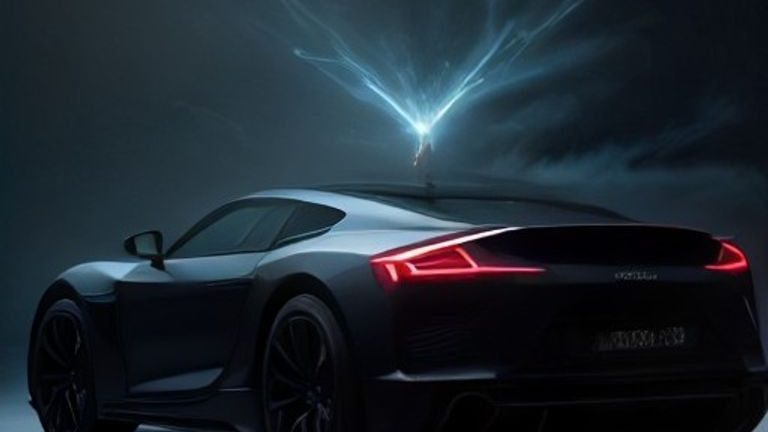
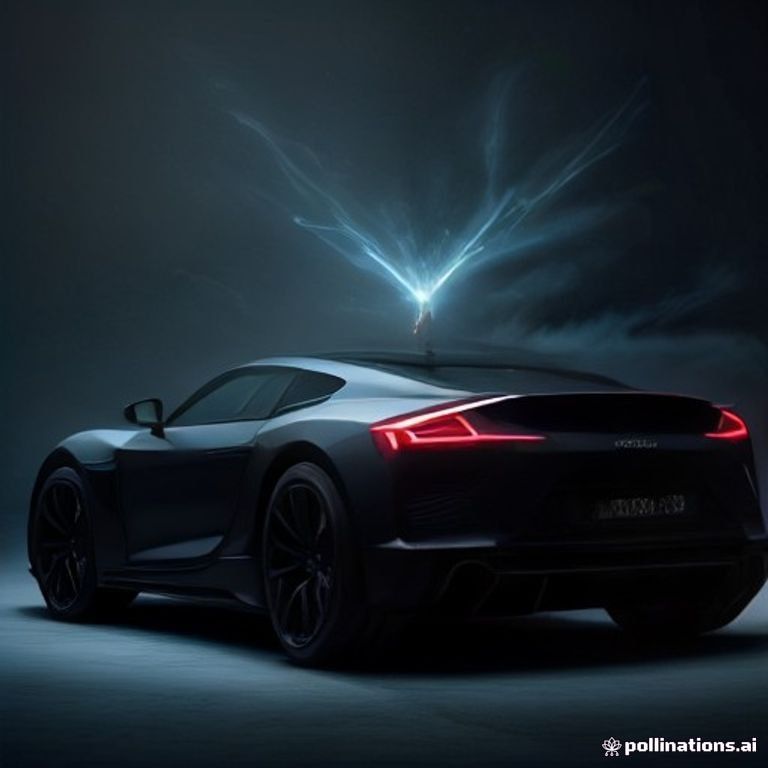
The notion of an EV ‘throwing sparks’ immediately conjures images of high-performance vehicles, perhaps spitting flames from an exhaust during hard shifts or braking. For an EV, actual combustion sparks are irrelevant and unsafe. Therefore, the patent likely refers to a controlled, safe simulation. This could involve:
- **Visual Projection:** Advanced LED or laser projection systems strategically placed to create the illusion of sparks emanating from the vehicle’s rear, particularly during acceleration or simulated gear changes.
- **Safe Pyrotechnic Effects:** While more complex, miniature, contained pyrotechnic devices could potentially be deployed in a highly controlled manner to create brief, visual ‘sparks’ without heat or debris, similar to theatrical effects.
- **Dynamic Lighting:** Using intricate lighting patterns and sequences within the bodywork to mimic the erratic, flashing nature of sparks, reacting to driving inputs like regenerative braking or rapid acceleration.
The key here is safety and control, ensuring that any visual effect is entirely contained and poses no risk to occupants or external environment.
Emitted Smells: The Power of Olfactory Memory
The sense of smell is profoundly linked to memory and emotion. An EV emitting specific scents could create a powerful, immersive experience. The patent likely envisions a sophisticated scent diffusion system, potentially with multiple cartridges or reservoirs. Possible scents and their applications include:
- **’Race Fuel’ or ‘Petrol’:** To evoke the raw, high-octane feel of a performance car, perhaps activated in a ‘dynamic’ or ‘sport’ driving mode.
- **’Hot Brakes’ or ‘Burning Rubber’:** To simulate the intensity of hard driving, providing feedback that a conventional EV might lack.
- **’New Car Smell’:** A perennially popular scent that reinforces luxury and freshness.
- **’Leather’ or ‘Exotic Wood’:** To enhance the cabin’s luxury ambiance.
- **Programmable Scents:** Allowing drivers to select from a library of aromas, or even creating custom scent profiles linked to driving scenarios or personal preferences.
Such a system would require careful engineering to ensure even dispersion, prevent mixing of undesirable scents, and allow for easy replenishment of scent cartridges.
Challenges and the Road Ahead
While conceptually exciting, bringing such a system to market would undoubtedly present numerous challenges:
- **Regulatory Hurdles:** Emitting anything, even non-toxic smells or contained visual effects, could fall under various environmental, safety, or roadworthiness regulations.
- **Public Perception:** Will consumers embrace simulated sensory feedback, or will it be seen as a gimmick that detracts from the inherent qualities of EVs?
- **Safety Concerns:** Even ‘safe’ sparks need rigorous testing to ensure they do not cause distractions, fire hazards, or interfere with other vehicle systems. Scent dispersal must also be non-allergenic and safe for occupants.
- **Cost and Complexity:** Integrating these advanced sensory systems would add to the vehicle’s complexity and potentially its price point.
- **Authenticity:** Can a simulated spark or scent truly replicate the authenticity of a genuine engine roar or the smell of a race track? The goal is enhancement, not necessarily perfect replication.
Audi’s patent filing is a powerful indicator that automakers are actively thinking beyond mere electrification. They are exploring how to imbue electric vehicles with character, emotional depth, and a compelling driving experience that extends beyond quiet efficiency. Whether these concepts of simulated sparks and emitted smells ever transition from patent diagrams to production vehicles remains to be seen. However, they unequivocally spark a fascinating conversation about the future of driver engagement and the evolving definition of what makes a car truly exciting in the electric age.
Source : https://www.caranddriver.com/news/a74056900/audi-patent-evs-emit-sparks-smells/