



The Shifting Sands of Automotive Strategy
The concept of a single « global car » that satisfies consumer demands across all major markets is becoming increasingly obsolete, according to Audi. In a strategic pivot reflecting the complex and rapidly diverging automotive landscapes worldwide, the premium German manufacturer is openly acknowledging that the nuances of different regions, particularly between established Western markets and the dynamic Chinese market, necessitate distinct approaches. This recognition marks a significant evolution in how global automakers plan, design, and market their vehicles, moving away from universal solutions towards highly localized strategies.
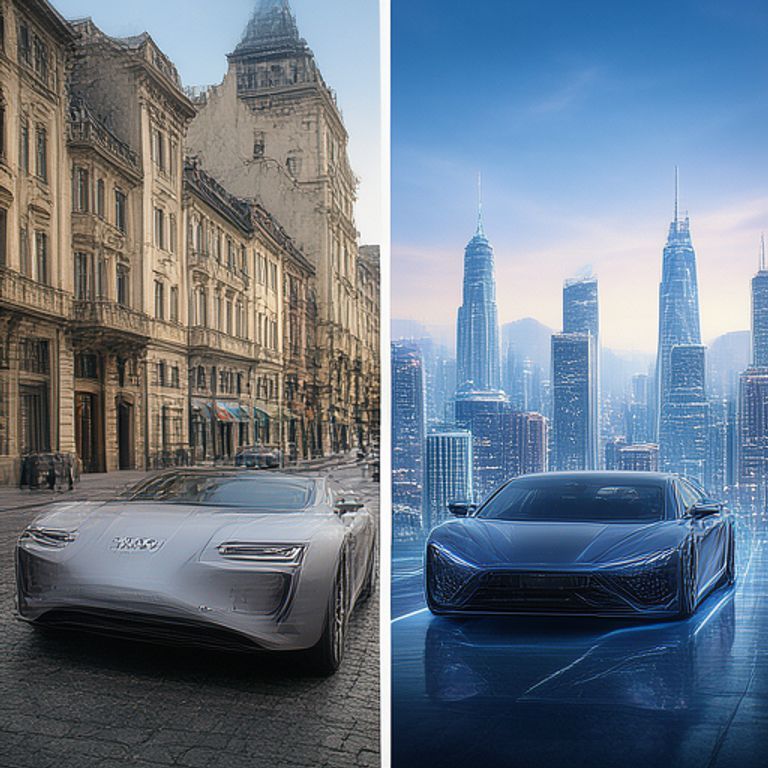
This fundamental shift is leading Audi and its specialized Chinese operations, referred to as « AUDI » in the context of its localized strategy for China, down increasingly different paths. The goal is clear: to remain acutely competitive by tailoring product portfolios, technological advancements, and brand experiences to specific regional requirements. The era of one-size-fits-all automotive design appears to be drawing to a close, replaced by a more fragmented, yet potentially more effective, model of localized excellence.
The Myth of the Universal Vehicle
For decades, many global automotive manufacturers harbored the ambition of creating a vehicle that could resonate with consumers everywhere, leveraging economies of scale in design, engineering, and production. However, the realities on the ground have consistently challenged this ideal. What appeals to a customer in Munich might not resonate with someone in Shanghai or Los Angeles. These differences extend beyond superficial aesthetics to core aspects of vehicle design and functionality, making a truly universal car an increasingly distant dream.
Key factors contributing to the demise of the « global car » ideal include:
- Varying Consumer Preferences: Tastes differ significantly. For instance, preferences for interior space, rear-seat comfort, digital integration, driving dynamics, and even material perceptions vary wildly. Chinese consumers, for example, often prioritize rear legroom and advanced connectivity features over the sportiness or minimalist design favored in some Western markets.
- Divergent Regulatory Landscapes: Emissions standards, safety regulations, and mandates for electric vehicle adoption vary significantly by region. Europe’s stringent CO2 targets might drive specific powertrain developments that are less critical in other markets, while China’s robust new energy vehicle (NEV) policies demand rapid EV development tailored to local infrastructure.
- Technological Adoption Rates: The pace at which new technologies, particularly in connectivity and autonomous driving, are embraced and integrated into daily life differs. China, in particular, has shown a rapid adoption rate for advanced digital services and in-car intelligence, often surpassing Western markets.
- Infrastructure Disparities: The availability of charging infrastructure for EVs, road conditions, and even parking space availability can influence optimal vehicle dimensions and powertrain choices.
- Cultural Nuances: Design aesthetics, brand messaging, and even the role a car plays in a person’s life can be deeply rooted in cultural contexts, making a single marketing or design language ineffective globally.
Audi’s Two-Pronged Approach: Global and Chinese Operations
Recognizing these profound differences, Audi is strategically segmenting its operations. The core Audi brand continues its global development, focusing on its established markets in Europe, North America, and other regions, evolving its product lines to meet the specific demands of these mature, yet diverse, automotive landscapes. This involves a continuous push towards premium electric mobility, sustainable practices, and innovative technologies that appeal to its global customer base.
In parallel, Audi’s strategy for China involves a distinct and highly localized approach, referred to here as « AUDI » in the context of its tailored Chinese operations. This isn’t merely about selling existing models in China; it’s about building cars for China, in China, and with China. This strategy has manifested through partnerships like the one with SAIC, which aims to develop and produce models specifically catering to the unique requirements and aspirations of Chinese consumers. Examples include models with extended wheelbases, bespoke infotainment systems, and designs that resonate strongly with local aesthetics.
China: A Market Apart
The sheer scale and unique characteristics of the Chinese automotive market make it a category unto itself. It’s not just the world’s largest market by volume; it’s also a leading innovator and early adopter of new automotive trends, especially in the electric vehicle and digital connectivity sectors.
Consider the following aspects that distinguish the Chinese market:
- Digital Dominance: Chinese consumers expect seamless integration of their digital lives into their vehicles. In-car services, advanced voice control, augmented reality navigation, and compatibility with local digital ecosystems (like WeChat and Baidu) are paramount.
- Emphasis on Rear-Seat Experience: Many luxury car owners in China are chauffeured, leading to a strong demand for enhanced rear-seat comfort, entertainment, and control features. This directly influences interior design and overall vehicle dimensions, favoring longer wheelbases.
- Rapid EV Adoption: Driven by government incentives and strong consumer interest, China is at the forefront of the electric vehicle revolution. Local manufacturers are incredibly agile, creating a highly competitive environment that demands equally swift and innovative responses from international players.
- Design Preferences: While maintaining the premium essence of Audi, specific design cues, color palettes, and interior material choices often differ from global trends to align with local luxury perceptions and aesthetic preferences.
- Pace of Change: The Chinese market evolves at an incredibly fast pace, requiring automakers to be exceptionally nimble in product development cycles and technological updates to stay relevant.
Localization as the Path to Sustained Competitiveness
For Audi, embracing localization is not a compromise but a strategic imperative. This involves significant investment in local research and development centers within China, empowering local design and engineering teams to create products from the ground up that are inherently suited for the Chinese environment. It also means establishing robust local supply chains and manufacturing capabilities to ensure efficient production and quick market response.
This localized strategy allows Audi to:
- Enhance Market Relevance: By directly addressing specific consumer needs and regulatory demands, products become more appealing and competitive.
- Accelerate Innovation: Proximity to a fast-moving market like China fosters rapid innovation, particularly in areas like digitalization and electric vehicle technology.
- Strengthen Brand Loyalty: Demonstrating a deep understanding of local culture and preferences builds stronger connections with consumers.
- Mitigate Risk: Diversifying product strategies across different regions can help cushion against downturns or specific challenges in any single market.
Ultimately, Audi’s declaration about the impracticality of the « global car » signals a mature understanding of the fragmented modern world. By allowing Audi (global) and its specific « AUDI » strategy for China to chart their own courses, the brand aims to secure its position at the forefront of the premium automotive segment, proving that true global success in the 21st century lies not in uniformity, but in intelligent, localized adaptation.
Source : https://www.caranddriver.com/news/a71809100/audi-says-global-car-cant-work/