




Introduction: The Golden Age of Affordable Performance
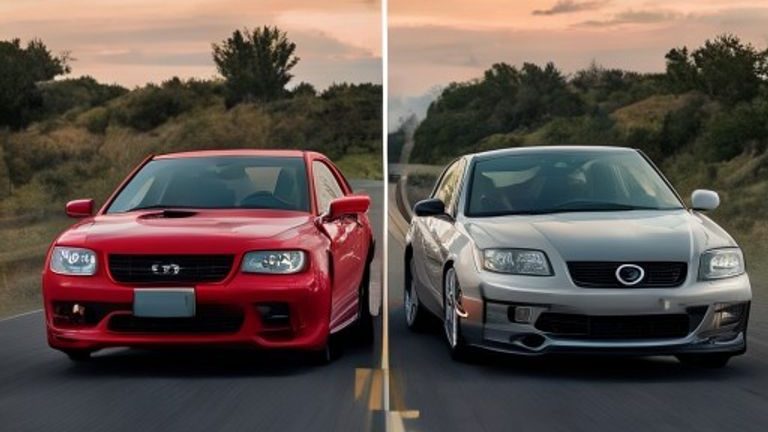
In the early 2000s, the automotive market offered a compelling proposition for enthusiasts: the compact sport sedan. These vehicles skillfully blended everyday practicality with genuine driving excitement, all without the premium price tag typically associated with performance. Among the standout contenders in 2001 were two distinct rivals vying for the attention of budget-minded drivers: the American-engineered Dodge Neon R/T and the Japanese-developed Nissan Sentra SE. Each approached the challenge of delivering accessible thrills with a unique philosophy, providing a fascinating comparison that continues to resonate with fans of the era’s pocketbook rockets.
Dodge Neon R/T: American Spirit, Unfiltered Performance
The 2001 Dodge Neon R/T was Chrysler’s enthusiastic entry, transforming the practical Neon platform into a spirited performer. Its exterior boasted aggressive styling cues, including distinctive alloy wheels, a subtle rear spoiler, and R/T-specific badging, clearly signaling its sporting intentions. Under the hood, a 2.0-liter DOHC four-cylinder engine, paired with a five-speed manual transmission, delivered eager acceleration. The R/T’s exhaust note and firm suspension contributed to a visceral, direct driving experience, often prioritizing an immediate connection to the road over ultimate refinement. It was a car for those who appreciated a raw, unpretentious form of American performance.
- Aggressive R/T-specific styling enhancements.
- Spirited 2.0-liter DOHC engine.
- Engaging five-speed manual transmission.
- Sport-tuned suspension for direct handling.
- Visceral and raw driving character.
Nissan Sentra SE: Japanese Precision, Balanced Dynamics
Nissan’s counterpoint was the 2001 Sentra SE. While the Sentra nameplate typically signified economy, the SE variant, especially with its renowned SR20DE engine, elevated its status considerably. Its styling remained more understated than the Neon R/T, aligning with Nissan’s conservative design approach. However, the 2.0-liter DOHC SR20DE engine was celebrated for its robust construction, smooth power delivery, and impressive durability. Coupled with a precise five-speed manual, the Sentra SE offered a refined yet equally capable driving experience. Nissan’s engineering focused on a balanced package, providing confident handling and a comfortable ride, making it a versatile option that excelled in both daily commuting and spirited driving. It appealed to those who valued engineering integrity and subtly effective performance.
- Conservative yet purposeful design.
- Legendary 2.0-liter SR20DE engine.
- Smooth power delivery and high durability.
- Precise five-speed manual gearbox.
- Balanced ride and confident handling.
On the Road and In the Cabin: A Tale of Two Styles
Behind the wheel, the distinct philosophies of these two compact sedans became evident. The Dodge Neon R/T offered a more immediate and boisterous driving feel. Its sharp throttle response and direct mechanical feedback created an exciting, raw experience, with the firm suspension communicating road conditions vividly. It was a car that demanded engagement, appealing to drivers seeking an unfiltered connection to their machine.
The Nissan Sentra SE, by contrast, presented a more composed and refined dynamic. Its SR20DE engine delivered power with a linear, sophisticated surge, and manual shifts were generally smoother. Nissan’s chassis tuning skillfully balanced sportiness with daily comfort, resulting in agile yet predictable handling. The communicative steering enhanced precise control, making it enjoyable on winding roads without sacrificing comfort for daily commutes. Inside, the Neon R/T’s cabin was functional and straightforward, with utilitarian materials, while the Sentra SE typically offered a slightly more polished environment with better material quality and a clean, ergonomic layout. Both, however, provided practical seating and cargo space for their class.
Legacy and Final Thoughts: Choosing Your Thrill
Both the 2001 Dodge Neon R/T and Nissan Sentra SE carved out lasting niches. The Neon R/T, with its bold character, attracted enthusiasts who appreciated its aggressive looks and direct feel, making it a popular choice for budget tuners. The Sentra SE, largely due to its legendary SR20DE engine, cemented Nissan’s reputation for robust engineering and balanced performance. These vehicles demonstrated that performance didn’t require a premium, offering genuine driving thrills to a generation of drivers. Ultimately, the choice between them depended on preference: the raw, assertive American performance of the Neon R/T, or the refined, subtly potent engineering of the Sentra SE. Both stood as excellent examples of accessible, character-filled performance from a bygone era.