


In a world increasingly looking towards sustainable and accessible personal transport, a recent unveiling has captured the imagination of automotive enthusiasts and urban commuters alike. Citroën, a brand synonymous with innovation and distinctive design, has presented a new concept car that promises to marry its rich heritage with the demands of the electric future. This intriguing preview, dubbed the Citroën 2CV concept, hints at the imminent arrival of a tiny electric car. The vision is ambitious: a vehicle poised to enter production in the next couple of years, targeting an incredibly competitive price point of around 15,000 Euros. Early impressions suggest the concept is brimming with adorable, whimsical details, aiming to recapture the spirit of one of the most beloved and influential cars in history.
The Enduring Legacy of the Citroën 2CV
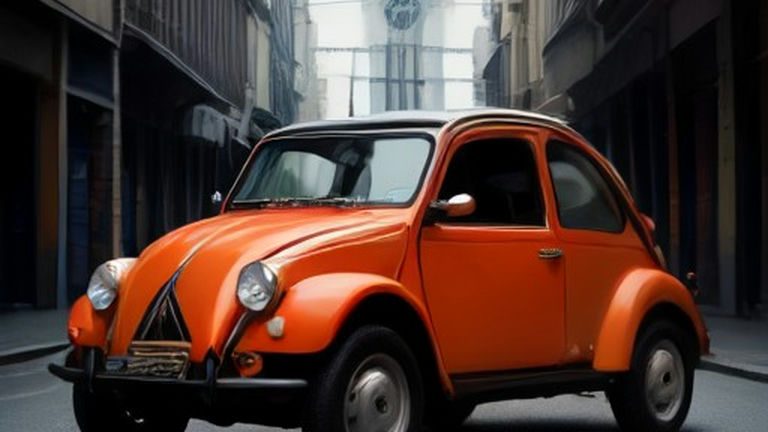
To truly appreciate the significance of a modern 2CV concept, one must first understand the profound impact of its predecessor. The original Citroën 2CV, introduced in 1948, was far more than just a car; it was a cultural phenomenon and a testament to clever, democratic engineering. Conceived with the philosophy of providing « a car for the people, » it was designed to be affordable, easy to maintain, and capable of traversing rough French rural roads with a basket of eggs without breaking them. Its basic design, soft suspension, and robust nature endeared it to millions across the globe for over four decades of production.
The 2CV’s charm lay in its unpretentious practicality and idiosyncratic character. Its minimalist approach to motoring—often described as an « umbrella on wheels »—was revolutionary. It provided essential mobility to a post-war generation, proving that a car didn’t need to be luxurious or complex to be immensely useful and beloved. The iconic corrugated metal hood, the removable canvas roof, and its distinctive silhouette made it instantly recognizable. It became a symbol of freedom, simplicity, and ingenuity, cementing its place as a design icon and a benchmark for affordable, functional transport.
- Simplicity: Stripped-back design focused purely on utility.
- Affordability: Engineered for mass accessibility and low running costs.
- Robustness: Built to withstand challenging conditions and require minimal maintenance.
- Character: A unique, charming aesthetic that fostered deep affection among owners.
A Modern Whimsy: Design Details and Electric Vision
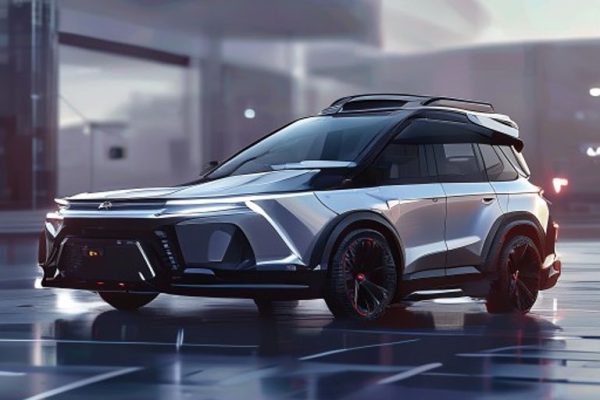
The new 2CV concept is described as being « full of adorable, whimsical details, » suggesting that Citroën is keen to evoke the playful and approachable spirit of the original, while firmly planting it in the 21st century. While specific design elements of the concept remain to be fully detailed, the emphasis on whimsy implies a design philosophy that prioritizes charm, friendliness, and perhaps a touch of nostalgia, rather than aggressive aesthetics. This approach aligns perfectly with Citroën’s current design language, which often features bold, distinctive elements and a focus on passenger comfort and well-being. The concept, therefore, serves as a visual bridge between a revered past and an innovative future, offering a glimpse into how a truly iconic nameplate can be reinterpreted for the electric age without losing its essence.
The challenge for designers is to distill the essence of the original 2CV’s democratic simplicity and charm into a contemporary form. This likely means clean lines, clever use of space, and perhaps modular or customizable elements that allow for personalization. The « adorable » aspect suggests rounded forms and an inviting presence, ensuring the vehicle feels approachable and unthreatening, much like its forebear. It aims to be more than just a mode of transport; it seeks to be a companion for daily life, imbued with a distinctive personality that resonates with modern sensibilities while paying homage to its heritage.
The Promise of Tiny Electric Mobility for All
At the heart of the 2CV concept lies the promise of a « tiny electric car. » This strategic choice reflects a growing trend in urban mobility, where compact dimensions, zero-emission powertrains, and efficient use of space are paramount. A small electric vehicle is ideally suited for navigating congested city streets, finding parking in tight spaces, and reducing one’s carbon footprint. For Citroën, a brand that has always championed pragmatic solutions, a tiny electric vehicle is a natural evolution, addressing contemporary challenges with an innovative spirit.
The push for electric mobility is undeniable, driven by environmental concerns, government incentives, and the rising cost of fossil fuels. However, many electric vehicles currently on the market remain prohibitively expensive for a significant portion of the population. This is where the 2CV concept positions itself as a potential game-changer. By focusing on a compact, efficient electric powertrain, Citroën aims to deliver a sustainable solution that doesn’t compromise on practicality or character. It’s a vision that extends beyond mere transportation, embracing a lifestyle of conscious consumption and urban practicality, much like the original 2CV championed economic and accessible travel for its era.
Affordability Reimagined: The 15,000 Euro Target
Perhaps one of the most exciting and ambitious aspects of the 2CV concept is its targeted price point: « around 15,000 Euros. » In the current automotive landscape, an electric vehicle at this price is a rarity, often confined to micro-cars with limited utility or range. If Citroën can indeed bring a viable, full-fledged tiny electric car to market at this price, it would mark a significant milestone in the democratization of electric mobility. This figure is a direct echo of the original 2CV’s mission to provide accessible transport for the masses, making car ownership a reality for many who previously couldn’t afford it.
Achieving this price point would require innovative manufacturing processes, smart material choices, and a focus on essential features without unnecessary frills—a philosophy deeply embedded in the 2CV’s DNA. Such a vehicle could revolutionize the entry-level EV segment, making electric driving attainable for a much broader demographic. It underscores Citroën’s commitment to « mobility for all » and positions the brand at the forefront of affordable, sustainable transport solutions. The challenge is substantial, but the reward—a truly mass-market electric car—is immense, promising to redefine expectations for what an affordable EV can be.
Looking Ahead: Production and Market Impact
The timeline for this promising venture indicates that the tiny electric car previewed by the 2CV concept is expected to « enter production in the next couple of years. » This suggests that the development is already well underway, moving beyond mere conceptualization towards tangible engineering and manufacturing plans. While concepts are often subject to change before hitting the production line, the clarity of the timeline and the specific price target indicate a serious intent from Citroën to bring this vision to fruition.
The potential impact of such a vehicle on the European market, and potentially beyond, cannot be overstated. An affordable, characterful, and practical electric car could become a significant disruptor, appealing to first-time buyers, urban dwellers, and those seeking a second family car. It reinforces Citroën’s position as a brand that dares to be different, offering solutions that are both emotionally engaging and pragmatically effective. As the automotive industry accelerates its transition to electric, the return of a 2CV-inspired vehicle, reimagined for the electric age, holds the promise of a bright, whimsical, and accessible future for personal mobility.
Source : https://www.caranddriver.com/news/a74108677/citroen-2cv-concept-revealed/