
For enthusiasts of traditional sedans and performance-oriented sports cars, the automotive landscape has been undergoing a seismic shift for quite some time. The industry is in a perpetual state of evolution, driven by shifting consumer preferences, technological advancements, regulatory pressures, and manufacturers’ strategic reorientations. While it’s impossible to definitively list every specific model facing discontinuation for a future model year without official announcements, the broader trends impacting certain vehicle segments are well-established and continue to shape the options available in showrooms.
The sentiment that some beloved vehicle types are ‘dead’ for upcoming model years reflects a harsh reality for specific niches. Manufacturers are constantly evaluating their product portfolios, making difficult decisions about which models to continue, refresh, or retire. These decisions are complex, influenced by sales volumes, profitability, platform commonality, and future electrification strategies. Understanding these underlying forces helps explain why certain types of vehicles are increasingly vulnerable.
The Unstoppable Rise of the SUV and Crossover
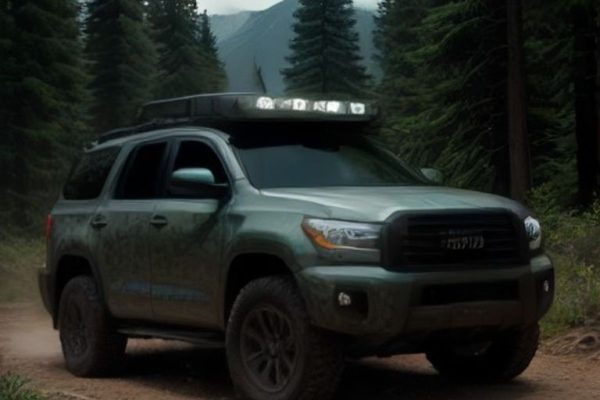
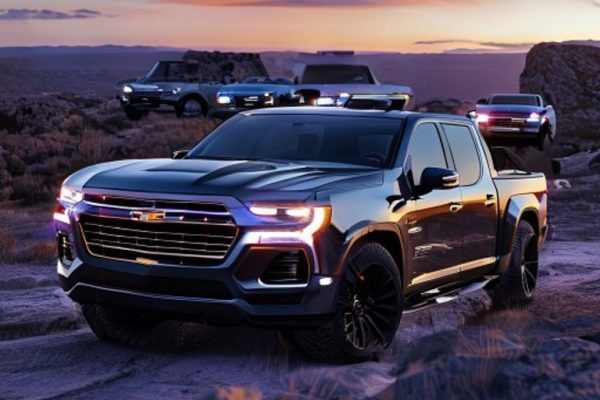
Perhaps the most significant factor in the decline of traditional sedans and, to some extent, even coupes and niche sports cars, is the overwhelming popularity of sport utility vehicles (SUVs) and crossovers. Consumers across various demographics have gravitated towards these vehicles for a multitude of reasons:
- Perceived Utility and Versatility: SUVs offer more cargo space, often with flexible seating configurations, making them appealing for families, outdoor enthusiasts, and anyone needing more practicality.
- Higher Driving Position: The elevated ride height provides better visibility and a sense of command on the road, which many drivers find appealing.
- All-Wheel Drive Availability: While not exclusive to SUVs, AWD is a common option, providing confidence in adverse weather conditions.
- Rugged Aesthetics: The styling of many SUVs and crossovers projects an image of adventure and capability, which resonates with a broad audience.
This massive shift in consumer demand means that resources – design, engineering, marketing, and manufacturing capacity – are increasingly allocated to developing and producing more SUVs and crossovers. As a result, segments with dwindling sales volumes become less profitable and harder to justify for ongoing investment.
The Challenging Road for Sedans
The sedan segment, once the backbone of the automotive industry, has been shrinking for over a decade. While some popular models continue to thrive, many have either been discontinued or are living on borrowed time as manufacturers streamline their lineups. The reasons are multifaceted:
- Direct Competition from Crossovers: Modern crossovers often offer comparable fuel economy, better cargo flexibility, and a more commanding driving position than sedans in a similar price bracket.
- Evolving Family Needs: For many families, the perceived extra space and ease of access offered by an SUV outweigh the traditional benefits of a sedan.
- Declining Profit Margins: In a highly competitive market, sedans often have lower profit margins compared to SUVs, especially as volumes decrease.
- Global Market Divergence: While sedans remain strong in some international markets, their decline in key regions like North America often leads global manufacturers to make tough decisions about future product cycles.
While premium and performance sedans may retain a niche market, the mass-market sedan continues to face an uphill battle.
The Precarious Position of Sports Cars
Sports cars, by their very nature, are niche products. They are often ‘halo’ vehicles for brands, designed to showcase performance, design prowess, and driving exhilaration rather than volume sales. However, even these passion projects are not immune to industry pressures:
- Low Sales Volume: Sports cars inherently sell in lower numbers than family vehicles, making their profitability dependent on high per-unit margins or shared components with other models.
- High Development Costs: Engineering a dedicated performance platform, especially with increasingly stringent emissions and safety regulations, is incredibly expensive.
- Electrification Challenges: The transition to electric powertrains presents unique challenges for sports cars. While EVs can offer incredible acceleration, replicating the auditory and tactile feedback, along with managing battery weight and packaging for a nimble, driver-focused experience, requires significant innovation and investment.
- Focus on Electrified Performance: Many manufacturers are channeling their performance aspirations into high-powered electric SUVs or sedans, which can achieve similar acceleration figures while appealing to a broader, more practical market.
The future of the traditional internal combustion engine sports car is particularly uncertain, as brand resources are increasingly diverted towards electric vehicle development across all segments.
The Impact of Electrification Strategies
The global push towards electric vehicles (EVs) is arguably the most transformative force in the automotive industry today. Manufacturers are investing billions into developing new dedicated EV platforms, battery technology, and charging infrastructure. This monumental shift has direct implications for existing internal combustion engine (ICE) models:
- Platform Rationalization: New EV platforms are designed to be scalable and versatile, allowing manufacturers to build multiple vehicle types (from crossovers to sedans) on a common architecture. This often means older, dedicated ICE platforms are phased out.
- Resource Reallocation: Engineering, design, and manufacturing teams are largely focused on future EV products. Maintaining and updating a diverse range of ICE models in declining segments becomes a lower priority.
- Regulatory Deadlines: Many countries and regions have set targets or outright bans on the sale of new ICE vehicles in the coming decades, compelling manufacturers to accelerate their EV transition.
For models that do not fit into a brand’s future electric strategy, or those that cannot be cost-effectively converted or replaced with an EV counterpart, discontinuation becomes an inevitable outcome.
What Does This Mean for Enthusiasts?
While the prospect of beloved models and segments fading away can be disheartening for enthusiasts, this ongoing evolution is a fundamental characteristic of the automotive industry. It’s a bittersweet process that closes chapters on some vehicles while opening new ones for innovative designs and technologies. For those who cherish sedans and sports cars, the message is clear: appreciate and enjoy the current offerings, as the landscape will continue to shift dramatically in the years to come. The cars of tomorrow may look and feel very different, but the core human desire for mobility, utility, and exhilaration will undoubtedly drive new forms of automotive expression.
Source : https://www.caranddriver.com/features/g65676188/dead-cars-trucks-2026/