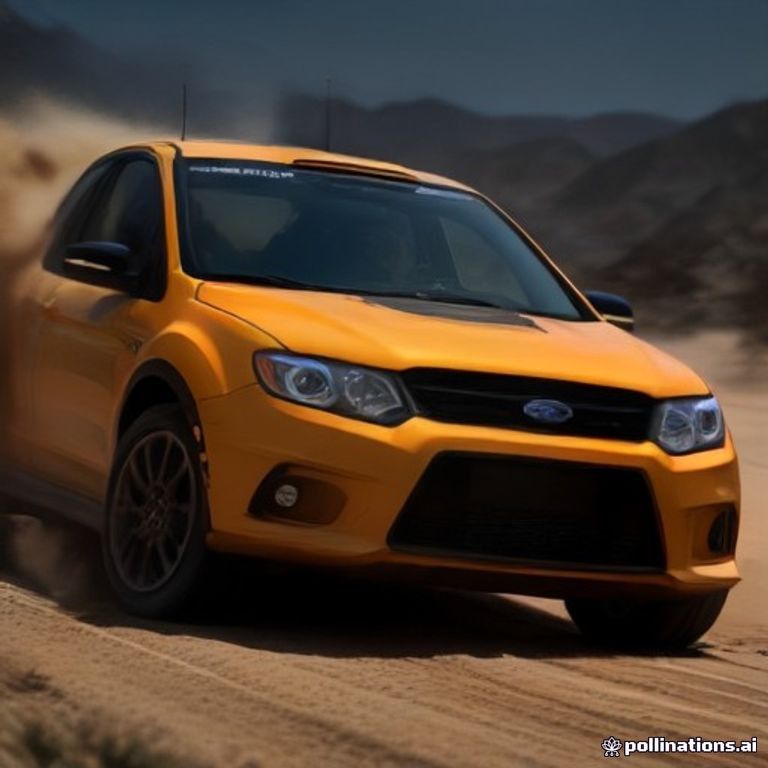
Ford Signals Renewed Enthusiasm with World Rally Championship Re-Entry
A significant development in the automotive world has recently come to light: Ford is making a notable re-entry into the demanding arena of the World Rally Championship (WRC). This move, characterized as a “return to fun” by the Blue Oval, signifies more than just renewed participation in a high-octane motorsport. It represents a strategic pivot, intricately linked with the company’s broader objective to infuse rally-inspired characteristics and robust capabilities into its upcoming passenger car lineup. The convergence of these two initiatives points towards a holistic vision where the intensity of top-tier racing directly informs and elevates the driving experience for everyday consumers.
For a global automotive powerhouse like Ford, a re-entry into a championship as rigorous and globally recognized as the WRC is not a decision taken lightly. It typically involves substantial investment, a re-evaluation of brand priorities, and a clear strategic intent. This renewed commitment to rally, an arguably more accessible and relatable form of motorsport compared to some circuit racing disciplines, suggests a desire to reconnect with a passionate fan base and demonstrate engineering prowess in real-world, challenging conditions. The term “re-entry” itself implies a prior involvement, highlighting a return to a familiar, yet evolving, competitive landscape where Ford has a history, even if that history isn’t explicitly detailed in the current announcement.
The Essence of a ‘Return to Fun’
The characterization of this move as a “return to fun” offers a compelling insight into Ford’s current philosophy. In an era often dominated by discussions of efficiency, autonomy, and practicality, an emphasis on “fun” suggests a renewed focus on driver engagement, emotional connection, and the sheer exhilaration of motoring. For a brand, injecting ‘fun’ back into its identity can foster a stronger bond with consumers, appealing to the intrinsic joy of driving that underpins the automotive passion. In the context of rally, ‘fun’ translates to agile handling, responsive power delivery, and the capability to tackle diverse terrains with confidence and control. This shift towards a more spirited brand image could resonate deeply with enthusiasts and a new generation of buyers seeking more engaging and dynamic vehicles.
Furthermore, this emphasis on fun in motorsport serves as a powerful marketing tool. It communicates a brand that is not just about utility but also about performance, excitement, and a zest for life. This emotional appeal, cultivated through the thrilling spectacle of WRC, can create a halo effect that elevates the perception of the entire product range, making Ford vehicles synonymous with dynamic driving experiences and reliability under pressure. It’s a statement that while the automotive landscape is changing, the fundamental pleasure of driving remains a core tenet for the brand.
The Power of Factory Backing
Crucially, Ford’s WRC re-entry is accompanied by “factory backing.” This distinction is paramount in the world of motorsport. Factory backing signifies direct, official support from the manufacturer itself, contrasting sharply with privateer efforts or mere sponsorship deals. It implies a significant commitment of corporate resources, including financial investment, engineering expertise, research and development capabilities, and strategic direction from the highest levels of the company. When a factory throws its weight behind a motorsport program, it means the knowledge gained on the rally stages can be directly and systematically fed back into the design and development processes of production vehicles.
This deep integration ensures that the lessons learned – regarding durability, powertrain performance, chassis dynamics, and material science – are not lost but actively harvested. Factory involvement allows for the dedicated allocation of specialized engineers and technicians who work in tandem with the racing teams, creating a direct conduit for technology transfer. The global reach of Ford, combined with the comprehensive data acquisition from a factory-backed WRC effort, provides an unparalleled proving ground for technologies that could ultimately benefit millions of road car users worldwide.
Injecting Rally Capabilities into Future Passenger Cars
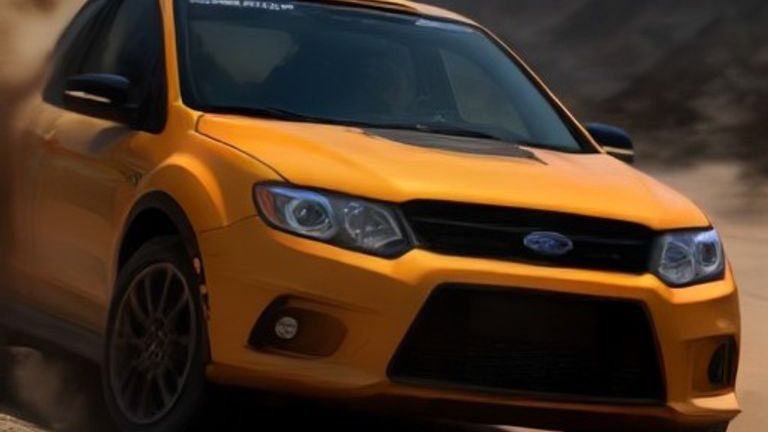
The most compelling aspect of this announcement is the explicit link between WRC participation and the intention to “inject rally capabilities into its next passenger cars.” This is where the motorsport endeavor transitions from a mere branding exercise to a fundamental part of product development strategy. It suggests a future where Ford vehicles will be designed with an inherent robustness, agility, and performance capability inspired by the extreme demands of rally competition. This is not about making every car a rally replica, but rather about imbuing core attributes that enhance the driving experience and vehicle integrity.
What exactly constitute “rally capabilities” in the context of passenger cars? While not explicitly defined, industry understanding suggests a range of characteristics designed for varied and challenging conditions. These attributes can significantly enhance a vehicle’s performance, safety, and durability in everyday driving, as well as during more adventurous excursions.
- Robustness and Durability: Rally cars are built to withstand immense punishment. Translating this to passenger cars means stronger chassis components, improved suspension mounts, and resilient body structures that can better cope with rough roads, potholes, and sustained use.
- Advanced Suspension Dynamics: Rally suspension systems are designed for maximum wheel travel, effective damping, and precise control over diverse surfaces. Injecting these principles into road cars could lead to superior ride comfort, improved handling on uneven terrain, and a more controlled feel during dynamic maneuvers.
- Traction and All-Wheel Drive Systems: Rally cars rely heavily on sophisticated all-wheel-drive systems for optimal grip and acceleration across gravel, dirt, snow, and tarmac. The lessons learned here can inform the development of more efficient and intelligent AWD systems for passenger cars, offering enhanced safety and performance in varying weather conditions.
- Driver Engagement and Feedback: Rally vehicles are engineered to provide maximum feedback to the driver, allowing for precise control and intuitive responses. This focus on communication through the steering, brakes, and chassis can translate into more involving and enjoyable driving experiences for consumers, fostering a greater connection between driver and vehicle.
- Adaptive Technologies: Rally engineers constantly optimize vehicle settings for different stages. This concept can inspire adaptive drive modes in passenger cars that adjust suspension, steering, and powertrain response to suit various driving conditions, from urban commuting to off-road trails.
The rationale behind this strategy is multifaceted. It allows Ford to differentiate its products in a crowded market by offering vehicles that not only look robust but genuinely possess a higher degree of dynamic capability and inherent resilience. It caters to a growing consumer demand for versatile vehicles that can handle more than just paved roads, offering a blend of utility, performance, and adventurous spirit. Moreover, it serves as a powerful demonstration of Ford’s engineering acumen, proving the reliability and performance of its technologies in the crucible of competitive motorsport before integrating them into consumer products.
A Strategic Vision for the Future
In conclusion, Ford’s re-entry into the World Rally Championship, backed by the factory and framed as a “return to fun,” represents a significant strategic declaration. It signals a renewed commitment to motorsport not as an isolated endeavor, but as an integral component of its future product development. By leveraging the extreme proving ground of WRC, Ford aims to imbue its next generation of passenger cars with enhanced rally capabilities – attributes like durability, sophisticated handling, and robust performance that translate directly into a more engaging, capable, and enjoyable driving experience for customers. This holistic approach promises to deliver vehicles that embody the spirit of adventure and performance derived directly from the highest echelons of rally racing, ensuring that the ‘fun’ factor is not just a marketing slogan, but a tangible characteristic of future Ford vehicles.