


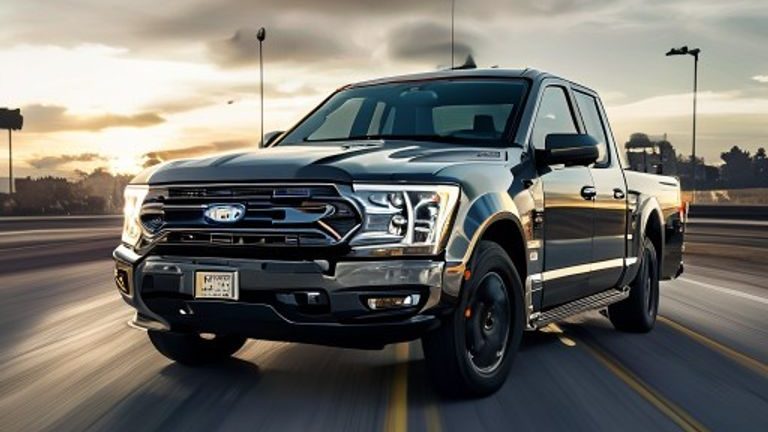
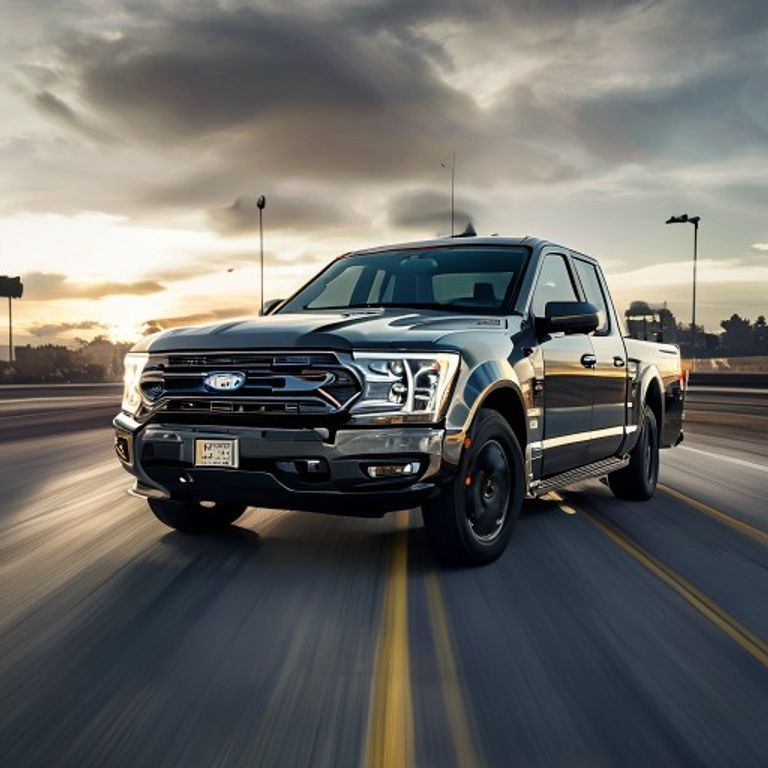
The landscape of heavy-duty trucks is constantly evolving, driven by demands for greater capability, efficiency, and technological advancement. A significant shift is on the horizon for Ford’s highly successful Super Duty lineup, as the automaker prepares to introduce its 2027 models. For this upcoming model year, Ford is implementing a revised engine strategy that will see the discontinuation of its entry-level powerplants, specifically the previously standard gas V-8 and the lower-output variant of its acclaimed Power Stroke diesel engine. This move signals a strategic emphasis on higher-output options, streamlining the powertrain offerings to focus on maximum capability and performance for its customers.
The Ford Super Duty series, encompassing models like the F-250, F-350, and F-450, has long been a cornerstone of the heavy-duty truck segment. Renowned for its immense towing and hauling capacities, rugged durability, and suitability for both strenuous work and demanding personal use, the Super Duty is a critical product for Ford. Updates to this lineup are always closely watched, given its profound impact on commercial fleets, construction companies, agricultural operations, and individuals who require uncompromising strength from their vehicles. The announced changes for 2027 highlight a strategic re-evaluation of how Ford positions its most potent trucks in an increasingly competitive market.
Shifting Sands: The Discontinuation of Base Engines
The decision to « ditch » the previously standard gas V-8 marks a notable departure from Ford’s historical approach to its Super Duty powertrains. For many years, the standard gasoline V-8 engine served as the accessible entry point into the heavy-duty segment, offering a balance of performance and cost-effectiveness for buyers who might not require the absolute maximum in towing or who prioritize a lower initial purchase price. Its removal suggests a potential shift in Ford’s target demographic for the base Super Duty, or perhaps a broader industry trend where even « standard » heavy-duty capabilities are expected to be more robust than in the past.
Similarly, the elimination of the lower-output Power Stroke diesel variant is a significant development for those who rely on diesel power. The Power Stroke engine family has been synonymous with immense torque and fuel efficiency in heavy-duty applications, providing the backbone for the Super Duty’s legendary towing prowess. Historically, offering both a lower-output and a higher-output version of the diesel allowed customers to choose a powertrain that precisely matched their specific needs and budget. The consolidation to only the higher-output diesel option underscores a clear focus on delivering premium performance across the board.
This strategic move could lead to several implications for both Ford and its customer base. From a manufacturing perspective, reducing the number of engine variants can streamline production processes, potentially enhancing efficiency and reducing complexity on the assembly line. For consumers, while the entry price of a Super Duty might see an adjustment upwards due to the removal of lower-cost powertrain options, it also ensures that every Super Duty rolling off the line in 2027 will come equipped with a higher standard of power and capability. This could appeal to buyers who value uncompromising performance above all else.
The Enduring Appeal of High-Output Options
Crucially, the news confirms that Ford will continue to offer its high-output engine options. This aspect of the announcement is paramount, as these powertrains are what truly define the Super Duty’s top-tier performance benchmarks. In a segment where horsepower, torque, and maximum towing figures are often key differentiators, maintaining and potentially enhancing these high-performance engines is vital for Ford to retain its competitive edge. These options cater to the most demanding users who regularly max out their trucks’ capacities, requiring every ounce of available power and resilience.
The continued presence of high-output engines reinforces Ford’s commitment to leadership in capability. These engines are typically engineered for extreme loads, offering not just raw power but also sophisticated cooling systems, robust transmissions, and advanced technologies designed to handle prolonged heavy-duty work. For professional tradespeople, farmers, or enthusiasts towing large recreational vehicles, these powertrains are not merely an upgrade but a necessity, providing the confidence and reliability needed for the toughest jobs. The 2027 Super Duty lineup, therefore, appears poised to strengthen its position at the apex of the heavy-duty power hierarchy.
The market for heavy-duty trucks is characterized by an intense competition among manufacturers to offer the best-in-class specifications. By focusing exclusively on more powerful engine options, Ford aims to ensure that its Super Duty models remain at the forefront of this capability arms race. This strategy aligns with a broader trend observed in the automotive industry, where manufacturers are increasingly differentiating their products by emphasizing their most premium and performance-oriented offerings, often driven by consumer demand for more features and greater capability, even at the base level.
Anticipating the 2027 Super Duty Update
While the announcement primarily concerns engine changes, the phrase « Ford updates its heavy-duty truck lineup » for 2027 suggests that other revisions are likely in store. Historically, model year updates, especially those accompanied by significant powertrain shifts, often include a refresh of exterior styling, interior appointments, and technological features. While specific details remain under wraps, it is reasonable to anticipate enhancements that improve the overall user experience, driver assistance systems, and connectivity options, all designed to complement the more robust engine offerings.
The implications of this engine strategy are multi-faceted.
- Simplified Lineup: Fewer engine choices could simplify the ordering process for customers and dealers.
- Elevated Standard: The minimum power and capability standard for a new Super Duty will be significantly higher.
- Potential Price Adjustment: With the removal of lower-cost options, the entry price point for a Super Duty is likely to increase.
- Focus on Premium: This move reinforces the Super Duty’s positioning as a premium, highly capable workhorse.
- Competitive Edge: Ford aims to maintain a strong competitive stance against rivals by emphasizing powerful capabilities.
This strategic adjustment indicates a clear direction for Ford: to solidify the Super Duty’s reputation as the ultimate tool for demanding tasks, where power and performance are paramount.
For prospective buyers of the 2027 Ford Super Duty, this means a guarantee of formidable power and capability, regardless of the chosen engine. While the entry points have shifted, the core promise of Super Duty—uncompromising strength and unwavering performance—appears to be not only preserved but enhanced. As more details about the full 2027 lineup emerge, the automotive world will be keen to see how this engine strategy translates into the overall package and its reception in the crucial heavy-duty truck market.
Source : https://www.caranddriver.com/news/a71270721/ford-super-duty-engine-options/