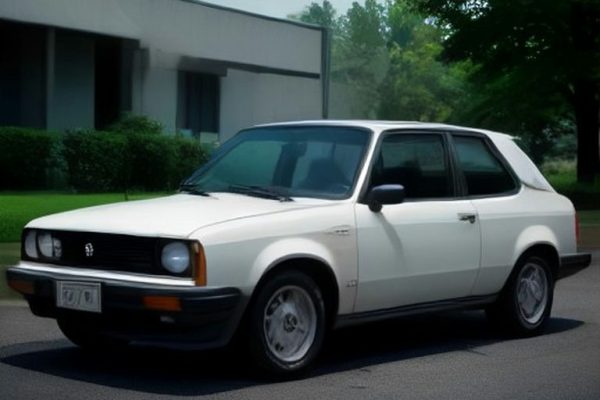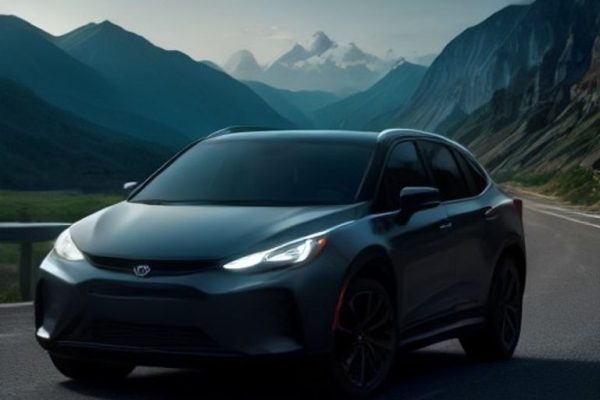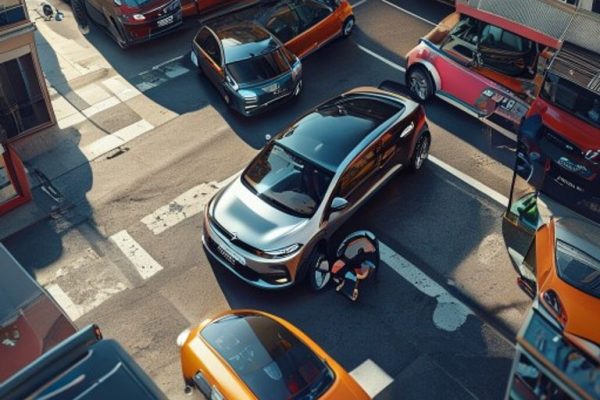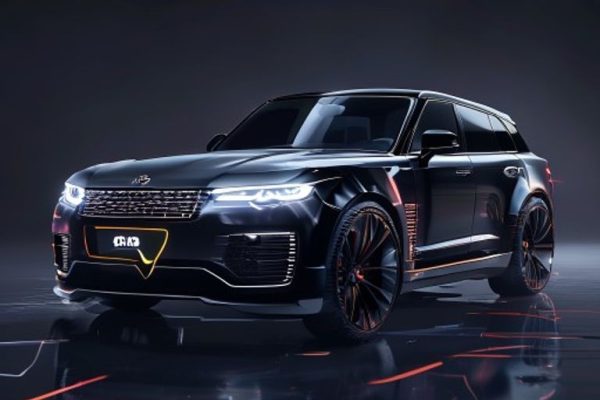



The automotive world is abuzz with the promise of electric vehicles (EVs), constantly showcasing a stream of innovative concepts and prototypes that spark immense excitement. Manufacturers worldwide are pushing boundaries, unveiling ambitious designs and advanced technologies destined for our roads. Yet, between the initial reveal and the eventual sale, lies a complex journey. Many of these prospective EVs, while tantalizingly close to becoming a reality for consumers, are still navigating various crucial development stages, and some, inevitably, may never fully materialize.
The Evolutionary Path of Electric Vehicles
Bringing a new electric vehicle to market is an intricate and demanding process, far from an overnight phenomenon. It requires substantial investment, meticulous engineering, and relentless testing across multiple phases. This structured development cycle ensures that what ultimately reaches consumers is not only groundbreaking but also safe, reliable, and capable of meeting modern driving demands.
-
Concept Stage: This initial phase is where visionary ideas take form. Designers explore radical aesthetics and showcase future technologies, often unconstrained by immediate production realities. These concepts gauge public interest, inspire innovation, and signal a manufacturer’s long-term strategic direction. They are typically highly stylized, sometimes non-functional, and serve more as a design study or a technological preview.
-
Prototype Stage: Moving beyond pure concept, prototypes are working models built to test the fundamental engineering principles. Key components like battery systems, electric powertrains, and chassis dynamics undergo rigorous evaluation. Extensive road testing and laboratory analysis help engineers refine performance, optimize efficiency, and address any potential structural or functional challenges before mass production is considered.
-
Pre-Production Stage: At this advanced stage, designs are finalized, and the focus shifts to preparing for large-scale manufacturing. Supply chains are established, assembly processes are refined, and quality control measures are put into place. Critically, vehicles at this juncture undergo stringent regulatory testing and certification to ensure compliance with global safety and environmental standards, paving the way for eventual market release.
Navigating the Roadblocks: Why Some Concepts Stay Concepts
Despite the initial fanfare and significant investment, not every electric vehicle concept or prototype makes it to the production line. The journey is fraught with challenges, and the highly competitive nature of the automotive industry means that only the most robust and strategically viable projects ultimately succeed. Understanding these potential hurdles offers insight into why some eagerly anticipated models might fade from public view.
-
Technological Feasibility and Cost: Groundbreaking innovations often come with steep development costs and complex engineering hurdles. A technology that appears revolutionary in a concept might prove too expensive, unreliable, or difficult to scale for mass production within a commercially viable timeframe. Overcoming these technical and financial barriers can be a deciding factor in a project’s fate.
-
Funding and Investment Challenges: Developing a new EV requires colossal capital. Startups might struggle to secure adequate funding rounds, while even established automakers can face budget constraints or shifts in financial priorities. Economic downturns, investor confidence, or unexpected market disruptions can severely impact a project’s financial lifeline, leading to delays or outright cancellations.
-
Market Dynamics and Shifting Consumer Preferences: The automotive market is dynamic, with consumer tastes and competitive landscapes constantly evolving. A vehicle concept that resonates strongly at one point might lose its appeal if market trends shift, new competitors emerge with superior offerings, or infrastructure development doesn’t keep pace with initial projections, thereby affecting demand.
-
Regulatory Hurdles: Navigating the complex and diverse regulatory environment across different global markets presents a significant challenge. Meeting stringent safety standards, crash test requirements, environmental certifications, and local market specificities demands extensive testing and potentially costly design adjustments. Failure to comply or adapt can halt a vehicle’s progression to market.
-
Strategic Reprioritization by Manufacturers: Corporate strategies are not static. Mergers, acquisitions, changes in leadership, or a pivot towards different vehicle segments or propulsion technologies can lead to the discontinuation of previously announced projects. Companies may choose to reallocate resources to better align with new long-term objectives or evolving business models.
The Promise and Anticipation for Buyers
Despite the inherent uncertainties of the development process, the continuous influx of new electric vehicle projects represents an incredibly exciting future for consumers. The ongoing innovation in battery technology, charging infrastructure, and vehicle design promises to deliver a significantly more diverse, efficient, and enjoyable driving experience. The coming years are poised to introduce a host of compelling options, catering to a much wider array of needs and preferences than ever before.
-
Diverse Options Awaiting: The pipeline of future EVs indicates an unprecedented variety in vehicle types. From economical city commuters and rugged utility vehicles to luxurious sedans and high-performance sports models, there will be an electric option for nearly every lifestyle. This expansion democratizes EV ownership, making it accessible and appealing to a broader demographic.
-
Advancements in Technology: Consumers can look forward to substantial improvements across key EV metrics. Expect longer driving ranges on a single charge, dramatically faster charging capabilities, enhanced battery longevity, and more sophisticated, integrated in-car technology. These advancements will collectively contribute to a more seamless, convenient, and satisfying ownership experience.
-
Sustainability and Future Mobility: The rapid development of new EVs is central to a broader global commitment towards reducing carbon emissions and fostering sustainable transportation. Buyers of these upcoming electric vehicles will directly participate in this transformative shift, benefiting from lower operating costs and contributing meaningfully to environmental goals for a greener future.
The horizon for electric vehicles is undoubtedly vibrant, brimming with promising innovations and exciting new models set to redefine personal transportation. While many of these eagerly anticipated EVs are indeed on a trajectory to reach showrooms, the journey from concept to production is complex and often unpredictable. Consumers can look forward to a wave of groundbreaking options, but it’s prudent to remember that some visionary concepts may, unfortunately, remain just that—aspirational designs that never quite make the leap to becoming a purchasable reality.
Source : https://www.caranddriver.com/news/g29994375/future-electric-cars-trucks/