

Introduction: GM Recalls 40,000 Bottles of Brake Fluid Over Stopping Power Risk
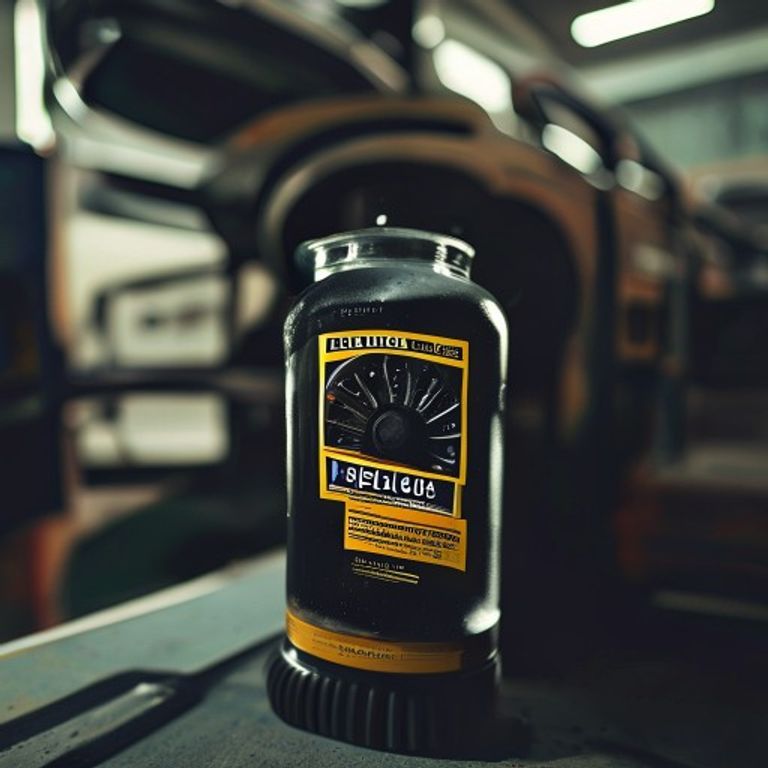
General Motors has announced a significant safety recall impacting approximately 40,000 bottles of ACDelco brand brake fluid. Official recall documents confirm that the affected fluid may contain visible sediment, a critical flaw that can directly « worsen brake performance » and « affect stopping power. » This urgent measure highlights GM’s commitment to vehicle safety, addressing a potential defect that could compromise a vehicle’s fundamental ability to stop effectively and increase accident risk.
The Danger of Sediment: Impaired Braking Performance
At the core of this recall is the discovery of visible sediment within certain batches of ACDelco brake fluid. Brake fluid acts as the hydraulic medium translating pressure from the brake pedal to the vehicle’s calipers and wheel cylinders, initiating the braking action. For this system to function reliably and safely, the fluid must remain pristine and entirely free of contaminants.
The introduction of sediment into such a sensitive hydraulic system poses several severe threats to braking performance:
- Obstruction of Flow: Particulate matter can clog narrow internal passages within brake lines, the master cylinder, and sophisticated anti-lock braking system (ABS) components. This restricts fluid movement, leading to inconsistent or severely diminished braking response.
- Component Wear: Abrasive sediment can accelerate the wear of crucial internal components, including rubber seals in brake calipers, wheel cylinders, and the master cylinder. Damaged seals can cause fluid leaks, a dangerous loss of hydraulic pressure, and eventual brake failure.
- Reduced Efficiency: Even without complete blockages, sediment can disrupt the smooth transfer of hydraulic pressure. This may manifest as a « spongy » brake pedal or increased effort for adequate stopping force, directly resulting in longer stopping distances and heightened accident risk.
Any degradation in a vehicle’s ability to stop reliably is a critical safety concern, potentially leading to dangerous situations on the road and increasing the likelihood of collisions.
Identifying Affected ACDelco Brake Fluid
The recall encompasses 40,000 bottles of specific ACDelco brake fluid, indicating broad distribution. This could impact automotive dealerships, independent repair shops, and even individual consumers. It is imperative for anyone who has recently purchased, stocked, or used ACDelco brake fluid to determine if their product falls under this safety advisory.
Official recall documentation from General Motors will provide precise identification criteria, typically including specific part numbers, batch or lot codes, and manufacturing date ranges to distinguish the problematic fluid from compliant products. While these codes are crucial, the recall explicitly notes « visible sediment » as a key characteristic of the faulty fluid. Therefore, a visual inspection of any ACDelco brake fluid in possession, alongside cross-referencing with official recall specifics, is a vital step for identification and compliance.
GM’s Response and Recommended Actions
General Motors is taking proactive steps to manage this recall and mitigate potential risks. The recall process generally involves the following:
- Notification: GM will inform its network of distributors, dealerships, and potentially direct purchasers through official channels, detailing the issue and corrective measures.
- Remedy for Unused Product: For unopened bottles of recalled brake fluid, the typical remedy will be a complimentary replacement with uncontaminated product or a full refund.
- Remedy for Installed Fluid: If the affected brake fluid has already been used in a vehicle, owners are strongly advised to contact their authorized GM dealership immediately. GM is expected to provide guidance on inspecting the brake system, flushing out contaminated fluid, and refilling it with appropriate, safe brake fluid, typically at no cost to the owner.
Consumers and service technicians should immediately cease using any suspected fluid. If the fluid is already in a vehicle, driving should be minimized until the system has been professionally inspected and remedied. Consulting official recall notices from GM or regulatory bodies like the National Highway Traffic Safety Administration (NHTSA) will provide the most current and specific instructions.
Conclusion: Prioritizing Road Safety Through Vigilance
The recall of 40,000 bottles of ACDelco brake fluid by General Motors due to visible sediment represents a serious safety alert. The potential for this defect to compromise stopping power underscores the critical importance of prompt action. All individuals and businesses who may have acquired or used this product are urged to consult official GM recall notices immediately. Adhering to the manufacturer’s guidance is essential to address this issue effectively and ensure the continued safety of all affected vehicles on the road.
Source : https://www.caranddriver.com/news/a71252258/gm-acdelco-brake-fluid-recall/