
After a monumental wait that has stretched for over a decade, the gaming world, and particularly automotive enthusiasts within it, have finally been granted their first tantalizing look at the iconic streets of Vice City in the upcoming Grand Theft Auto VI. This initial glimpse, though brief, has ignited a fervent discussion about the potential evolution of virtual driving experiences, traffic simulations, and the overall automotive immersion that Rockstar Games is poised to deliver.
Grand Theft Auto has always been synonymous with its sprawling, dynamic open worlds and, critically, the vehicles that traverse them. From the moment players first stole a clunky sedan in Liberty City to customizing hypercars in Los Santos, the interaction with the automotive landscape has been a cornerstone of the series’ appeal. This isn’t just about getting from point A to point B; it’s about the feel of the asphalt, the hum of the engine, the chaotic dance of city traffic, and the sheer freedom of the open road. With over ten years having passed since the last main installment, the technological leaps and player expectations have soared, setting a high bar for what Vice City will offer.
The Enduring Appeal of Virtual Automotive Worlds
The Grand Theft Auto series has, for decades, meticulously crafted virtual environments where vehicles are not merely props but central characters in the player’s narrative. Each iteration has pushed the boundaries of vehicle physics, damage modeling, and the sheer variety of cars, motorcycles, boats, and aircraft available. This dedication has cultivated a dedicated community of players who appreciate the nuances of virtual driving, often treating the game’s roads as a sandbox for automotive exploration, street races, and even meticulous cruising.
The anticipation surrounding GTA VI stems partly from the promise of what a new generation of hardware and development expertise can bring to this established formula. Players are eager to see how the already impressive vehicle handling and environmental interactions will be refined, how traffic AI will evolve, and what new levels of detail will be present in every tire squeal and engine roar. The « first look at the streets of Vice City » isn’t just a geographical revelation; it’s a window into the potential for an entirely new dimension of automotive realism and engagement.
Vice City Reimagined: More Than Just Roads
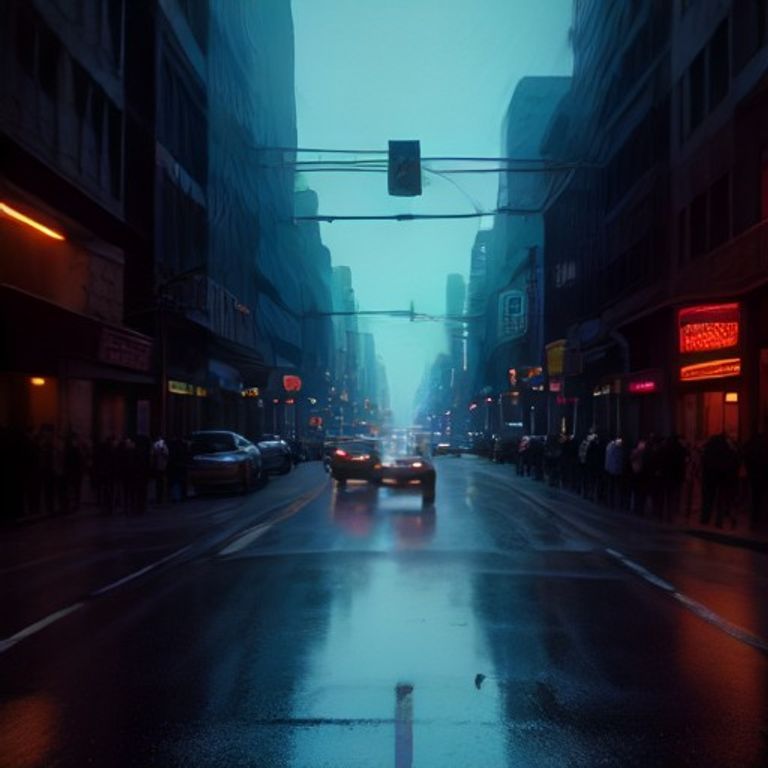
The return to Vice City carries significant weight, evoking nostalgia for its vibrant, 1980s-inspired aesthetic, which in previous titles translated into a unique automotive culture. This new iteration promises to bring a refreshed, perhaps more contemporary, perspective to this beloved location. When we talk about a « first look at the streets, » it encompasses far more than just the lanes of traffic. It’s about the architecture that frames them, the ambient lighting that bathes them, the weather systems that affect driving conditions, and the intricate pedestrian life that interacts with the vehicular flow.
These environmental details are crucial for building an immersive driving experience. A believable city scape, with dynamic day-night cycles and varied districts, provides a rich tapestry against which virtual driving takes on new meaning. From bustling downtown arteries to serene coastal highways, each environment demands a different driving approach and offers unique visual spectacles. The quality of these visual and environmental elements directly impacts how players perceive the realism and depth of the automotive world they inhabit.
The Evolution of Traffic and Player Immersion
One of the most exciting prospects for enthusiasts is the potential evolution of traffic simulation and player interaction with it. In previous GTA titles, traffic has served multiple roles: an obstacle to navigate, a source of new vehicles, and a backdrop for high-speed chases. However, with the passage of a decade, the expectations for artificial intelligence and environmental reactivity have grown significantly. The idea of « role-playing in traffic, » as alluded to in community discussions, suggests a desire for a more nuanced and responsive urban driving experience.
Modern gaming engines allow for far more sophisticated AI behaviors, potentially leading to traffic flows that mimic real-world patterns more closely. This could mean:
- **Adaptive AI:** Vehicles reacting realistically to player actions, road conditions, and environmental cues.
- **Detailed Signaling:** The inclusion of functional turn signals, hazard lights, and other vehicular communication methods for AI vehicles, and potentially for the player.
- **Dynamic Congestion:** Traffic patterns that evolve based on time of day, events, or player actions, creating more organic and challenging driving scenarios.
- **Enhanced Pedestrian Interaction:** More believable pedestrian behavior that factors into driving decisions, adding another layer of realism to urban navigation.
While the initial reveal focused on visuals, the very notion of a « first look at the streets » naturally leads to contemplation of how players will traverse and interact with these environments. The pursuit of greater realism, down to seemingly minor details like blinkers, reflects a broader trend in gaming towards deeper simulation and player agency within open-world settings. For many, the joy of GTA is not always about chaos; it’s also about the freedom to simply drive, to obey traffic laws (or not), and to experience the rhythm of a vibrant virtual city.
Beyond the Horizon: The Future of Virtual Driving
The decade-long wait for GTA VI has undeniably built an immense amount of hype, and the first official look at Vice City’s streets has only amplified this. It serves as a powerful reminder of the series’ enduring impact on popular culture and its critical role in shaping the virtual automotive landscape. As technology continues to advance, the line between virtual and reality blurs, offering unprecedented opportunities for developers to create truly immersive driving simulators disguised as action-adventure games.
This early glimpse invites speculation about the meticulous detail that will be poured into every aspect of the game’s vehicular components, from engine sounds and handling physics to the complex ecosystem of its traffic and transportation systems. For automotive enthusiasts, this isn’t just a new game; it’s the promise of a new era for virtual driving, where the streets of Vice City may very well become the ultimate testing ground for an unprecedented level of automotive immersion and player-driven experiences.
The road ahead for GTA VI is long, with many more reveals undoubtedly on the horizon. But this first step, showcasing the foundational streets of its vibrant new world, has already set imaginations alight, painting a compelling picture of what the future of automotive gaming might hold.
Source : https://www.caranddriver.com/news/a73556603/gta-vi-gameplay-car-details/