
A Landmark Partnership: Honda’s Entry into Body-on-Frame Pickup Segment with Mitsubishi
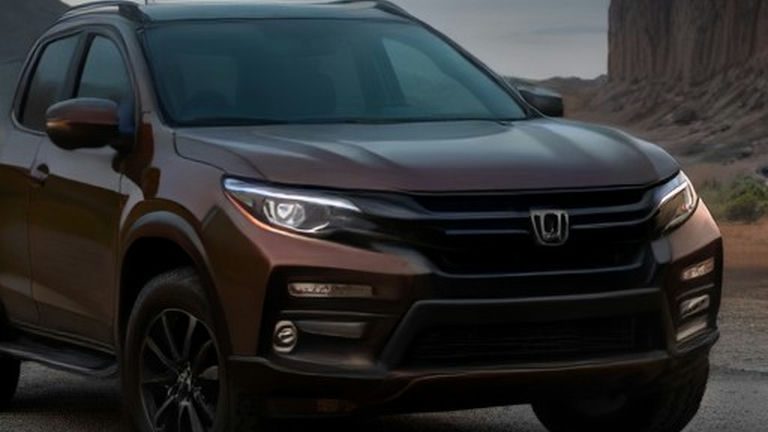
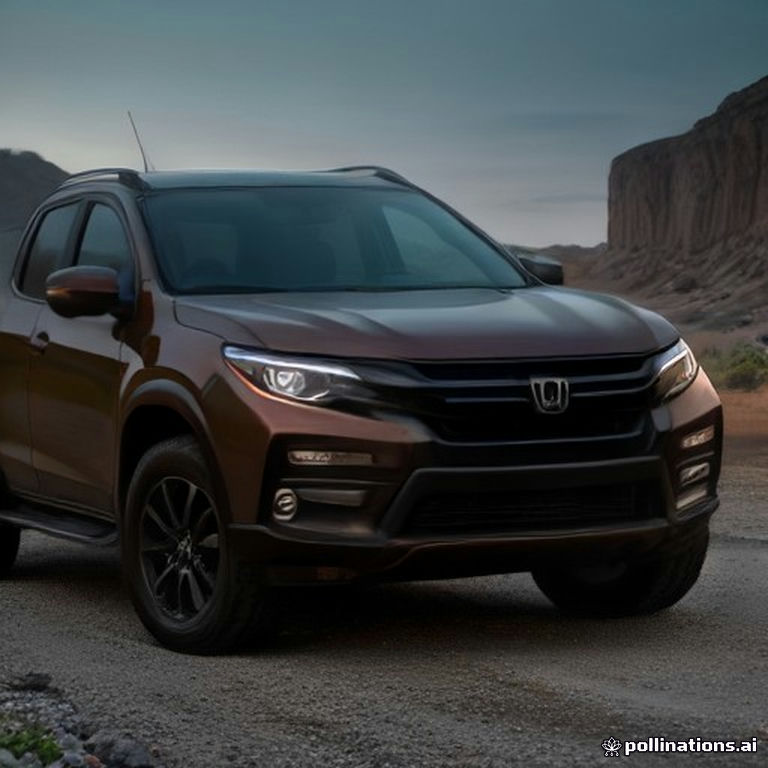
In a significant strategic move set to reshape the automotive landscape in Southeast Asia, Honda has officially announced a groundbreaking collaboration with Mitsubishi. This partnership marks a pivotal moment for Honda, as it will facilitate the development and introduction of its first-ever body-on-frame pickup truck. The forthcoming Honda pickup is confirmed to utilize the highly regarded and robust platform of the Mitsubishi Triton, signaling a potent alliance aimed squarely at one of the world’s most dynamic and competitive pickup markets: Southeast Asia.
Strategic Expansion for Honda in a Key Market
Honda has long been recognized globally for its innovative passenger cars, efficient SUVs, and high-performance engines. While the brand does offer the Ridgeline pickup in North America, that vehicle employs a unibody construction, fundamentally different from the traditional body-on-frame architecture dominant in other regions. The decision to introduce a dedicated body-on-frame pickup underscores Honda’s ambition to fill a critical gap in its product portfolio, particularly for markets like Southeast Asia where such vehicles are not merely transportation but often indispensable tools for work, recreation, and navigating challenging terrains.
Southeast Asia represents a powerhouse market for pickup trucks, driven by a combination of utility, lifestyle, and infrastructure needs. Consumers in this region demand vehicles that are durable, capable of hauling heavy loads, and resilient enough for diverse road conditions, from bustling city streets to remote rural pathways. By entering this segment with a robust body-on-frame offering, Honda aims to capture a share of this lucrative market, leveraging its brand reputation for quality and reliability, now combined with proven ruggedness.
Leveraging Mitsubishi’s Proven Pickup Expertise with the Triton Platform
The choice of the Mitsubishi Triton (also known as the L200 in some international markets) as the underpinning platform is a testament to its established credentials. Mitsubishi boasts a formidable heritage in the pickup truck segment, with the Triton having earned a global reputation for its durability, off-road capabilities, and steadfast performance over decades. Its ladder-frame chassis is engineered to withstand demanding conditions, making it an ideal foundation for a new vehicle destined for the rigorous demands of the Southeast Asian market.
This collaboration allows Honda to expedite its entry into the fiercely competitive body-on-frame pickup segment. Developing an entirely new chassis and platform from scratch requires immense investment in research, development, and testing, often spanning several years. By adopting Mitsubishi’s proven Triton architecture, Honda can significantly reduce time-to-market and mitigate initial development costs, enabling a more agile and cost-effective product launch.
Understanding the Significance of Body-on-Frame Construction
For markets like Southeast Asia, the body-on-frame construction method is often preferred for several key reasons, distinguishing it from unibody designs typically found in passenger cars and some lighter-duty pickups. This traditional design principle involves a separate body mounted onto a rigid, ladder-like chassis frame. The advantages are particularly pertinent for the intended market:
- Enhanced Durability and Strength: The robust separate frame provides superior structural integrity, allowing the vehicle to withstand greater stresses from heavy loads, rough roads, and off-road driving.
- Superior Towing and Payload Capacity: Body-on-frame trucks are inherently better equipped to handle heavy towing duties and carry substantial payloads, which are critical for commercial and agricultural applications in the region.
- Off-Road Capability: The robust chassis and typically higher ground clearance contribute to better articulation and resilience when navigating challenging off-road conditions, making them ideal for diverse terrains.
- Ease of Repair and Customization: The modular nature of body-on-frame construction can often simplify repairs after impacts and also facilitates customization for various applications, such as mounting specialized equipment.
These characteristics collectively underscore why body-on-frame vehicles are the workhorses and adventure machines of choice for a large segment of the Southeast Asian population.
The Growing Trend of Automotive Platform Sharing
The partnership between Honda and Mitsubishi is emblematic of a broader trend within the global automotive industry: strategic collaboration and platform sharing. In an era of escalating development costs, stringent emissions regulations, and increasing market fragmentation, automakers frequently find common ground to share resources and maximize efficiencies. Such alliances allow manufacturers to achieve economies of scale, accelerate product cycles, and expand into new segments or geographies with reduced risk.
While the core platform will be shared, Honda is expected to infuse its distinct brand identity into the new pickup. This differentiation typically involves unique exterior styling, interior design and ergonomics, distinct suspension tuning to align with Honda’s ride and handling philosophy, and potentially integrating Honda’s proprietary technologies or engine configurations, although specific details regarding component sharing beyond the platform itself are yet to be revealed. The goal is to offer a vehicle that benefits from Mitsubishi’s proven toughness while delivering the driving experience and aesthetic appeal synonymous with the Honda brand.
Anticipated Impact on the Southeast Asian Pickup Market
The Southeast Asian pickup market is already highly competitive, dominated by well-established players such as the Toyota Hilux, Isuzu D-Max, Ford Ranger, and Nissan Navara. Honda’s entry, backed by Mitsubishi’s formidable platform, is poised to intensify this competition and offer consumers a compelling new choice. With Honda’s strong brand loyalty and extensive dealer network across the region, coupled with the inherent robustness of the Triton platform, the new pickup could quickly become a significant contender.
This collaboration also signifies a reinforcement for Mitsubishi. By sharing its platform, Mitsubishi benefits from increased production volumes, which can lead to further economies of scale in manufacturing and supply chain management for the Triton itself. It validates the strength and versatility of their engineering and product development.
A New Chapter for Honda in the Global Pickup Arena
The announcement of Honda’s foray into the body-on-frame pickup segment, facilitated by a strategic partnership with Mitsubishi and built upon the reliable Triton platform, marks a momentous occasion. For Honda, it represents a bold expansion into a vital and growing vehicle category. For Mitsubishi, it underscores the strength of its core products and expertise. As further details emerge, the automotive world, particularly in Southeast Asia, will undoubtedly watch with keen interest as this new Honda pickup prepares to make its mark, blending the proven resilience of Mitsubishi with the celebrated engineering and design prowess of Honda.
Source : https://www.caranddriver.com/news/a74220992/honda-mitsubishi-pickup-truck-details/