


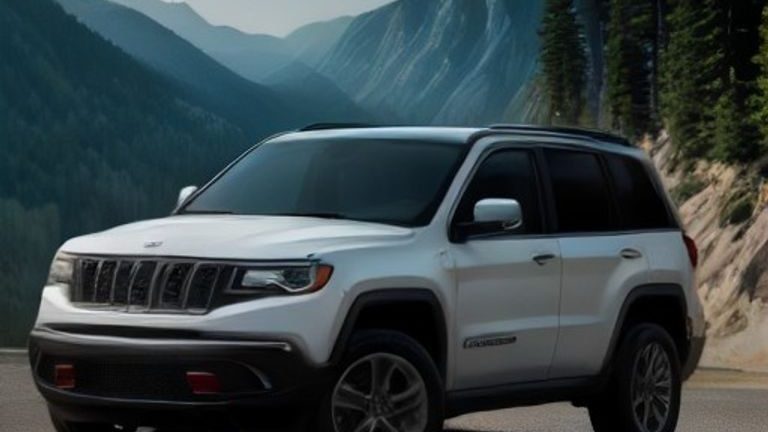
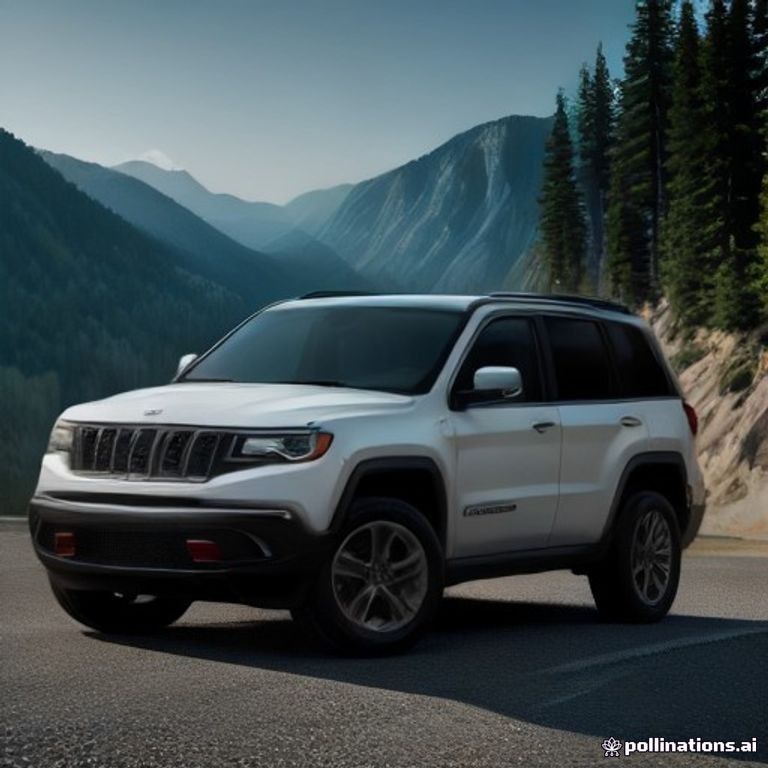
Speculation Points to Potent New Powertrain for Jeep Grand Cherokee in 2028
The automotive world is abuzz with the possibility of a significant powertrain upgrade for the popular Jeep Grand Cherokee. Industry whispers and reports suggest that the acclaimed SUV could adopt Stellantis’s formidable Hurricane inline-six engine starting with the 2028 model year. If these speculations prove true, the move would represent a substantial enhancement to the Grand Cherokee’s performance profile, promising more power and greater capability compared to its current engine offerings.
This potential integration of the Hurricane inline-six into the Grand Cherokee lineup is particularly noteworthy given the engine’s rising prominence within the Stellantis portfolio. The Hurricane engine, known for its blend of robust power delivery and modern efficiency, has already made a considerable impact in other heavy-duty and large SUV segments. Its introduction to the Grand Cherokee would signal a clear intent to elevate the vehicle’s competitive standing, addressing both enthusiast demand for increased performance and market trends towards more efficient yet powerful engines.
Understanding the Hurricane Inline-Six Engine
The Hurricane inline-six engine, officially designated as the GME T6 (Global Medium Engine Turbocharged 6-cylinder), represents a cutting-edge design from Stellantis. This 3.0-liter twin-turbocharged unit has been engineered to deliver impressive horsepower and torque while aiming for improved fuel efficiency compared to larger displacement V8 engines it is designed to replace. It is currently offered in two primary configurations:
- Standard Output (SO): Typically produces around 420 horsepower and 468 lb-ft of torque.
- High Output (HO): Delivers an even more commanding performance, with figures reaching approximately 510 horsepower and 500 lb-ft of torque.
Vehicles such as the Wagoneer, Grand Wagoneer, and Ram 1500 have already showcased the Hurricane’s capabilities, demonstrating its suitability for applications requiring significant power for towing, hauling, and spirited driving. The engine’s advanced technology, including direct fuel injection and twin turbochargers, contributes to its responsive nature and broad torque curve, ensuring ample power is available across the RPM range.
Current Grand Cherokee Powertrains: A Basis for Comparison
To fully appreciate the impact of a potential Hurricane inline-six, it’s essential to look at the Grand Cherokee’s existing engine options:
-
The Pentastar V-6 (3.6L)
The venerable 3.6-liter Pentastar V-6 engine has long served as the standard powertrain for the Grand Cherokee. In its current iteration within the Grand Cherokee, this naturally aspirated engine typically generates around 293 horsepower and 260 lb-ft of torque. It provides a reliable and smooth driving experience, offering a solid balance of performance and fuel economy for everyday use and light towing duties. The Grand Cherokee equipped with the Pentastar V-6 boasts a maximum towing capacity of up to 6,200 pounds.
-
The Hurricane Inline-Four (2.0L Turbo as part of 4xe)
The Grand Cherokee 4xe, Jeep’s plug-in hybrid variant, utilizes a 2.0-liter turbocharged Hurricane inline-four engine paired with two electric motors and a 400-volt battery pack. While the internal combustion engine alone produces around 270 horsepower and 295 lb-ft of torque, the combined output of the 4xe system is a robust 375 horsepower and 470 lb-ft of torque. This electrified powertrain emphasizes both performance and efficiency, offering impressive acceleration and the ability to travel on electric-only power. The Grand Cherokee 4xe maintains a respectable towing capacity of up to 6,000 pounds.
Promised « More Pep » and Boosted Towing Capacity
The initial report specifically highlights two key benefits of the Hurricane inline-six: providing « more pep than the current Pentastar V-6 and Hurricane inline-four » and « boosting the SUV’s towing capacity. » A direct comparison of power figures clearly supports these claims:
- Against the Pentastar V-6: The Hurricane inline-six (SO at ~420 hp, HO at ~510 hp) significantly outpowers the Pentastar V-6’s 293 hp. This substantial increase in horsepower, coupled with much higher torque figures (468-500 lb-ft vs. 260 lb-ft), would undoubtedly translate into a dramatic improvement in acceleration, responsiveness, and overall driving dynamics, providing a palpable increase in « pep. »
- Against the Hurricane Inline-Four (4xe system): Even when compared to the Grand Cherokee 4xe’s combined 375 hp and 470 lb-ft of torque, the Hurricane inline-six High Output variant, with its 510 hp and 500 lb-ft, offers a higher peak horsepower output. The Standard Output Hurricane is comparable in torque and higher in horsepower than the 4xe’s combined figures. This indicates that a Hurricane I6-equipped Grand Cherokee would offer a more traditional, gasoline-powered performance experience at or above the 4xe’s level, catering to those who prioritize raw internal combustion power.
Furthermore, the notion of « boosting the SUV’s towing capacity » is well-founded. Vehicles currently utilizing the Hurricane inline-six, such as the Wagoneer, are rated for significantly higher towing capacities than the current Grand Cherokee. For instance, the Wagoneer with the Hurricane engine can tow up to 10,000 pounds. While the Grand Cherokee’s chassis and design might dictate a slightly lower maximum, introducing an engine with such inherent power and torque would undoubtedly allow for an increase beyond the current 6,200 pounds (Pentastar V-6) or 6,000 pounds (4xe). This would make the Grand Cherokee an even more formidable contender for owners who frequently tow trailers, boats, or other heavy loads.
Strategic Implications for the Grand Cherokee
The potential adoption of the Hurricane inline-six by the Grand Cherokee for 2028 aligns with several strategic objectives for Stellantis. Firstly, it provides a high-performance gasoline-only option that can effectively serve as a modern replacement for the larger displacement V8 engines that have been phased out due to tightening emissions regulations and the push for greater fuel efficiency. The Hurricane offers V8-like power with a smaller footprint and improved efficiency.
Secondly, it enhances the Grand Cherokee’s premium positioning within the highly competitive mid-size and large SUV segments. With more powerful engines available from rivals, offering the Hurricane inline-six would ensure the Grand Cherokee remains a top choice for consumers seeking a blend of luxury, capability, and exhilarating performance. It allows the Grand Cherokee to cater to a broader range of customer demands, from those prioritizing efficiency with the 4xe to those seeking maximum conventional power and towing ability.
Looking Ahead to 2028
As with all industry speculation, it’s crucial to remember that official confirmation from Jeep or Stellantis has not yet been provided. However, the compelling logic behind such a move – leveraging an advanced, powerful engine already within the corporate ecosystem to enhance a flagship model – makes these rumors particularly credible. If the 2028 Grand Cherokee indeed gains the Hurricane inline-six, it promises to usher in a new era of performance and capability for one of Jeep’s most iconic vehicles, solidifying its place in the market as a true all-rounder.
Source : https://www.caranddriver.com/news/a73823645/2028-jeep-grand-cherokee-hurricane-inline-six-report/