
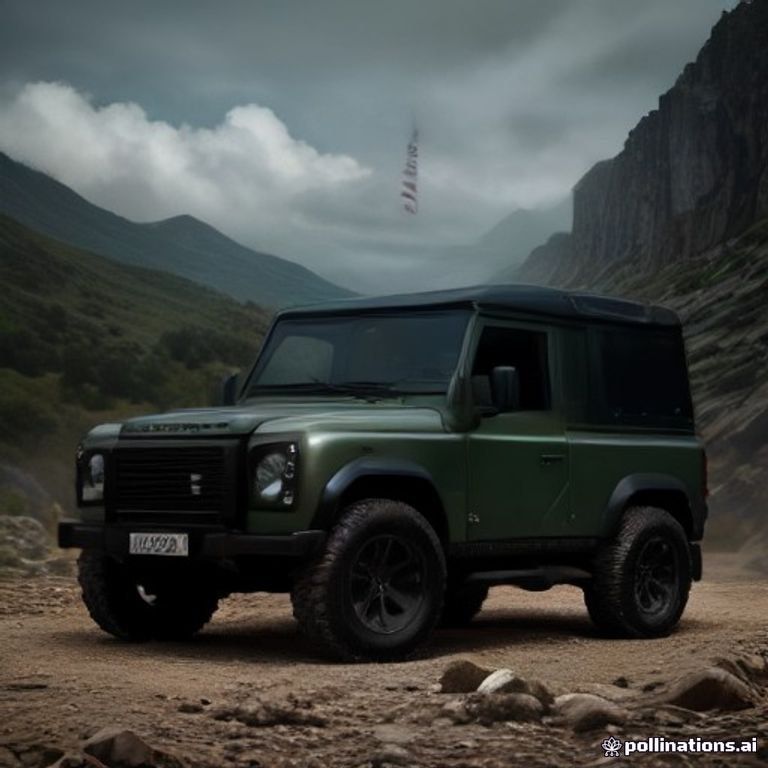
Land Rover and Stellantis Aim to Build a Defender Truck in the U.S.
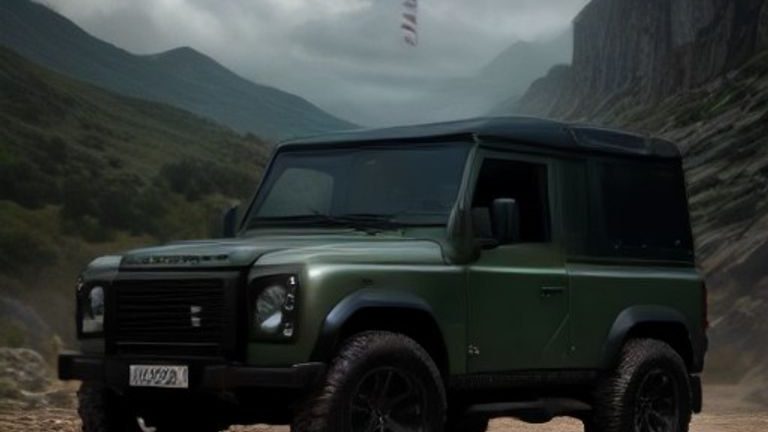
In a significant development that could reshape the future of premium off-road vehicles in North America, Jaguar Land Rover (JLR) and Stellantis are reportedly exploring the production of a Land Rover Defender truck in the United States. This strategic move, if realized, would mark a pivotal expansion of their existing partnership and could see a Defender truck become the very first U.S.-built vehicle to emerge from their collaboration. The prospect of a ‘Made in America’ Defender truck has generated considerable interest, pointing to an evolving landscape for both global automotive giants and the highly competitive American truck market.
The core proposition revolves around the iconic Defender brand, synonymous with rugged capability and sophisticated design, potentially being reimagined as a pickup truck manufactured on U.S. soil. This initiative signals a deeper integration between JLR and Stellantis, moving beyond their current technological sharing agreements into the realm of shared manufacturing and market localization.
Deepening the JLR-Stellantis Partnership
The foundation for this potential venture lies in the multi-year strategic partnership forged between Jaguar Land Rover and Stellantis. This collaboration, initially announced to focus on electric vehicle (EV) platforms and technology, aims to leverage Stellantis’ scale and expertise in developing advanced EV architectures. JLR plans to utilize Stellantis’ STLA Large platform for certain future electric models, particularly in the mid-sized SUV segment. This alliance allows JLR to accelerate its electrification strategy, dubbed ‘Reimagine,’ by gaining access to proven, cost-effective EV technology, while Stellantis benefits from expanding its components and technology supply business.
The exploration of a U.S.-built Defender truck suggests a broadening scope for this partnership. It implies that the collaboration could extend beyond technology and component sharing to joint manufacturing operations or even shared facilities. Such a move would represent a substantial commitment from both parties, highlighting a strategic alignment aimed at optimizing production and market penetration. It underscores a growing trend in the automotive industry where traditional rivalries give way to strategic alliances for mutual benefit, particularly in navigating the complexities of regional markets and evolving regulatory landscapes.
The Allure of a Defender Truck in the U.S. Market
The concept of a Defender truck holds particular appeal for the North American market, where pickup trucks dominate sales and consumer preferences. Land Rover has a rich history of offering pickup variants of its Series and Defender models in various global markets, though not widely in recent years in the U.S. A modern Defender truck would marry the brand’s legendary off-road prowess and premium appeal with the versatility and utility demanded by American consumers.
Such a vehicle would likely target the burgeoning segment of luxury and lifestyle pickup trucks, competing with upscale trims of established domestic pickups and newer entrants like the Rivian R1T. A Defender truck could carve a unique niche by offering a blend of British heritage, distinct design, and robust capability, appealing to customers seeking both a rugged adventure vehicle and a premium daily driver. The current Defender lineup, including the two-door 90, four-door 110, and extended 130, has already re-established the nameplate’s strong presence, laying fertile ground for a pickup variant.
Strategic Advantages of U.S. Production
Building a Defender truck in the U.S. offers numerous strategic advantages for both Jaguar Land Rover and Stellantis:
- Tariff Avoidance: Producing light trucks domestically circumvents the infamous ‘chicken tax’ – a 25% tariff on imported light trucks – significantly improving cost competitiveness in a price-sensitive market.
- « Buy American » Incentives: U.S.-built vehicles can qualify for various government incentives and appeal to consumers who prioritize domestically manufactured goods, potentially boosting sales and market share.
- Supply Chain Optimization: Localized production allows for shorter, more resilient supply chains, reducing logistics costs, lead times, and exposure to global shipping disruptions.
- Market Responsiveness: Proximity to the North American market enables quicker responses to consumer demands, design trends, and regulatory changes, allowing for more agile product development and distribution.
- Economic Contribution: Investing in U.S. manufacturing creates jobs and contributes to the local economy, which can garner political support and enhance brand perception.
For Stellantis, this could mean leveraging existing production facilities or expertise in truck manufacturing, potentially increasing utilization and efficiency within its vast North American industrial footprint. For Land Rover, it represents a strategic pivot to deepen its roots in a critical market, directly addressing logistical and economic challenges associated with importing large vehicles.
Implications and Future Outlook
Should the plan to build a Defender truck in the U.S. come to fruition, it would be a landmark event for the JLR-Stellantis partnership. It would not only solidify their collaboration but also signal Land Rover’s renewed commitment to the American market with a product specifically tailored to its unique demands. The initiative could pave the way for further localized production of JLR vehicles in North America, leveraging Stellantis’ significant manufacturing presence.
While details regarding specific production timelines, investment figures, or factory locations remain undisclosed, the very consideration of such a venture underscores a bold, forward-thinking strategy by both automotive groups. The prospect of a U.S.-built Defender truck is a testament to the evolving dynamics of global automotive partnerships, aiming to combine brand heritage with localized production benefits to capture new market opportunities.
As the automotive industry continues its rapid transformation, strategic alliances like that between JLR and Stellantis are becoming increasingly crucial. The potential for a U.S.-built Defender truck exemplifies how these partnerships can unlock new avenues for growth, efficiency, and market relevance, setting the stage for an exciting new chapter in both companies’ histories.
Source : https://www.caranddriver.com/news/a73745451/land-rover-stellantis-defender-truck-us-production/