


The Evolution of Electric Vehicle Charging: A Look at the Chevy Bolt’s Journey
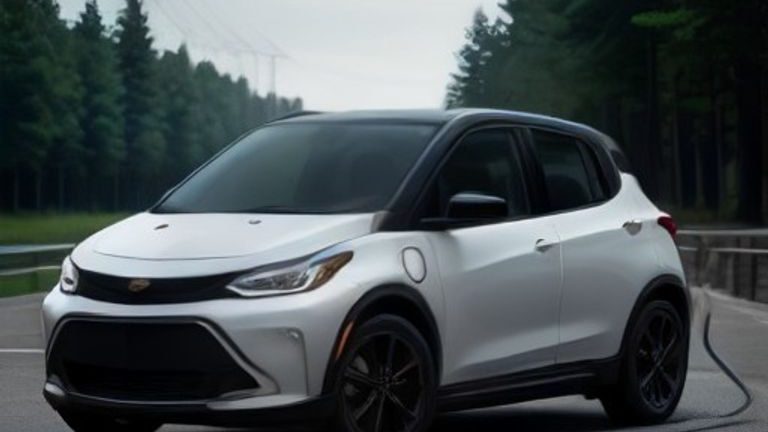
The pace of innovation in electric vehicles (EVs) is staggering, and few areas highlight this more than charging speeds. When the Chevrolet Bolt EV first launched, it was celebrated for offering substantial range at an accessible price. However, as the EV market matured, its charging capabilities began to fall behind. With the announcement of a new, Ultium-based Chevy Bolt on the horizon, a direct comparison with its predecessor’s charging times is essential. Indeed, it turns out that a few years of development are worth a lot when it comes to EV charging speeds.
The Original Bolt’s Charging Landscape: A Snapshot of Earlier EV Technology
The outgoing Chevrolet Bolt EV and EUV models (2017-2023) utilized battery packs with a usable capacity of up to 65 kWh. While adequate for daily driving, their charging rates reflected the technology available at their inception.
- Level 2 AC Charging (Home/Work):
- Early models (2017-2021): 7.2 kW peak, requiring approximately 9-10 hours for a full charge.
- Later models (2022-2023): Optional 11.5 kW onboard charger (standard on EUV), reducing full charge times to around 6.5-7 hours.
- DC Fast Charging (Public Stations):
- Across all models equipped with DC fast charging (standard from 2020), the peak charging rate was consistently around 50-55 kW.
- Practical impact: Adding approximately 100 miles of range would take about 30 minutes; a 0-80% charge typically required 60-75 minutes. These rates became a bottleneck for longer trips as the market evolved.
The Ultium Advantage: The New Bolt’s Charging Paradigm Shift
The next-generation Chevy Bolt, confirmed to be built on GM’s versatile Ultium platform, promises a radical transformation in charging capabilities. While specific figures for the future Bolt are pending, we can confidently anticipate a significant leap by examining other Ultium-powered vehicles already released or announced.
- Platform-Wide Improvements: The Ultium platform is designed for high-speed charging. Other Ultium vehicles, like the Chevrolet Equinox EV and Blazer EV, provide clear benchmarks for its capabilities.
- Expected DC Fast Charging: Based on models such as the Equinox EV (up to 150 kW) and Blazer EV (up to 190 kW), the new Ultium Bolt is highly likely to support DC fast charging speeds of at least 150 kW. This represents nearly triple the peak rate of the outgoing Bolt.
- Practical Impact of Faster DC Charging:
- At 150 kW, drivers could expect to add well over 100 miles of range in just 10-15 minutes, a stark contrast to the previous 30 minutes.
- A charge from a low state of charge to 80% could potentially be achieved in 30-40 minutes, bringing the Bolt into competitive territory.
- Level 2 AC Charging: It’s reasonable to expect the new Bolt to maintain or improve upon the 11.5 kW Level 2 AC charging capability, ensuring efficient home and workplace charging.
Why This Charging Leap is Crucial for the Next-Gen Bolt
This dramatic enhancement in charging speed is a game-changer for user experience and market competitiveness. The outgoing Bolt’s slower DC fast charging often meant longer stops on road trips, a common point of feedback from owners. The Ultium-based Bolt will directly address this, making long-distance travel significantly more convenient. Drivers will spend less time waiting, enhancing the vehicle’s overall appeal and practicality.
In a rapidly evolving EV market where charging speed is a key differentiator, aligning the Bolt’s capabilities with or ahead of competitors is paramount. It ensures the Bolt remains a compelling option for mainstream buyers seeking an affordable EV without compromising on modern charging conveniences. Furthermore, quicker charging helps alleviate range anxiety by reducing the perceived ‘time cost’ of needing a top-up, making EV ownership feel more seamless and intuitive, akin to refueling a gasoline vehicle.
Conclusion: The Future is Fast for the Chevy Bolt
The journey from the original Chevy Bolt EV to the forthcoming Ultium-based version reflects rapid advancements in the electric vehicle sector. While the earlier models were instrumental in democratizing EV ownership, their charging infrastructure represented an older generation of technology. The announced return of the Bolt, now underpinned by the state-of-the-art Ultium platform, promises to rectify this, delivering charging speeds that are not just incrementally better, but fundamentally superior.
The difference, from approximately 55 kW to an expected 150 kW or more for DC fast charging, is monumental. This substantial upgrade powerfully demonstrates that « a few years of development are worth a lot » in the EV space. It positions the new Bolt to uphold its reputation for value while eliminating its predecessor’s primary drawback, securing its place as a formidable contender in Chevrolet’s electrified future.
Source : https://www.caranddriver.com/news/a73834368/2027-chevy-bolt-new-vs-old-charging-test/