
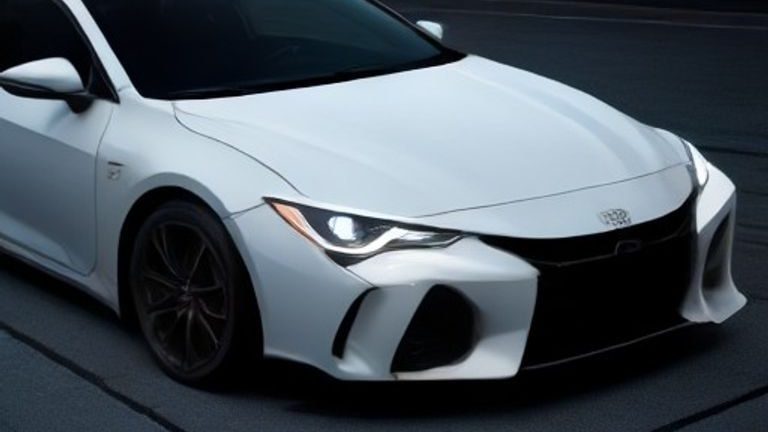
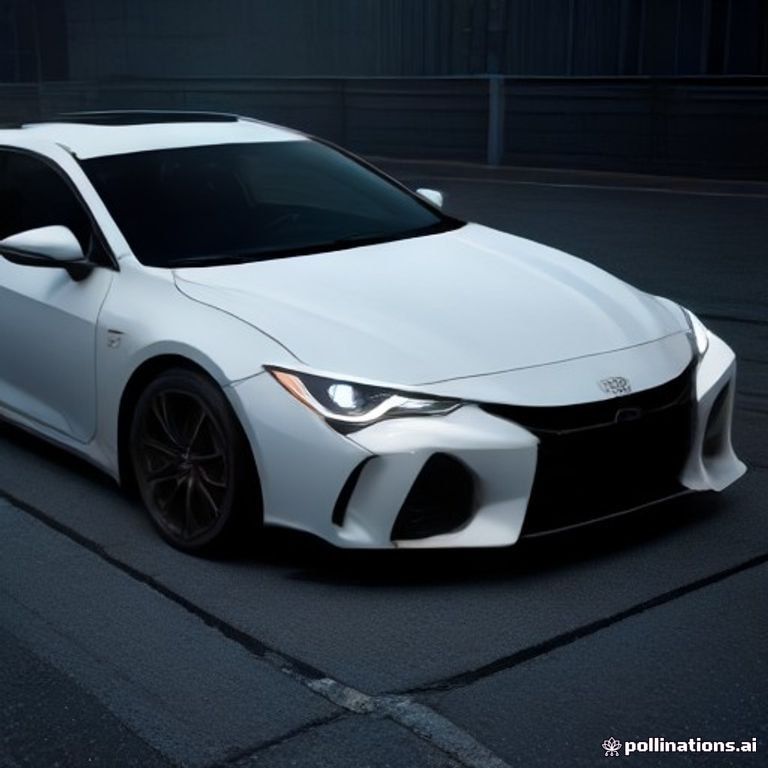
Anticipated 2028 Toyota Corolla Embraces Versatile Platform for Electrified Future
The automotive landscape is in a state of rapid transformation, with manufacturers increasingly focusing on diversification of powertrains to meet evolving consumer demands and regulatory pressures. In a significant development for one of the world’s most popular and enduring nameplates, reports indicate that the next-generation Toyota Corolla, anticipated for a 2028 debut, is poised to adopt a groundbreaking new platform. This foundational shift is designed to be exceptionally versatile, engineered to accommodate a broad spectrum of propulsion technologies. Specifically, this innovative architecture will support traditional gasoline and hybrid powertrains, alongside the introduction of new Plug-in Hybrid Electric Vehicle (PHEV) and Battery Electric Vehicle (EV) models. This strategic move signals Toyota’s commitment to ensuring the Corolla remains relevant and competitive well into the future, offering a solution for nearly every type of driver and every driving scenario.
The Strategic Significance of a New, Multi-Energy Platform
The decision to underpin the future Corolla with an entirely new platform is far more than a routine engineering update; it represents a fundamental re-imagining of the vehicle’s core architecture. A new platform is the skeleton upon which a car is built, influencing everything from its structural integrity and safety ratings to its ride comfort, handling dynamics, and interior packaging. For a model as globally significant as the Corolla, this means a foundation meticulously designed from the ground up to be inherently flexible. It must be capable of seamlessly integrating vastly different propulsion systems – from internal combustion engines to large battery packs and electric motors – without compromising crucial aspects like cabin space, design aesthetics, or dynamic performance.
This strategic investment by Toyota underscores a clear commitment to future-proofing one of its most important global models. By developing an architecture that can host multiple energy sources, Toyota aims to ensure the Corolla can gracefully evolve with rapidly changing market demands, fluctuating fuel prices, and increasingly stringent environmental regulations across diverse international markets. Such a modular architecture typically allows for greater efficiencies in research, development, and manufacturing processes, potentially leading to a more cost-effective production cycle and ultimately, a more competitive product offering across its various iterations.
Comprehensive Powertrain Diversification: Catering to Every Driver
The expansion of the Corolla’s powertrain options facilitated by this new platform is a pivotal aspect of its future strategy. By offering such a wide array of choices, Toyota aims to maintain the Corolla’s historical appeal as a practical and accessible vehicle, while also attracting new segments of buyers.
-
Traditional Gasoline Engines: Enduring Relevance
The continued inclusion of traditional gasoline powertrains speaks to their enduring relevance in many markets. For a vehicle renowned for its accessibility like the Corolla, gasoline engines offer a familiar and often more affordable entry point for a significant portion of consumers. Toyota’s deep expertise in internal combustion engine technology suggests these options will continue to prioritize efficiency, reliability, and low running costs, maintaining a core appeal for drivers who may not yet be ready or able to transition to electrified alternatives.
-
Hybrid Powertrains: A Proven Bridge Technology
Toyota’s leadership in hybrid technology is undeniable, and hybrid powertrains will undoubtedly remain a cornerstone of the next-generation Corolla lineup. Hybrids deliver significant fuel economy improvements and reduced emissions compared to conventional gasoline vehicles, all without requiring any changes to driving habits or the need for external charging infrastructure. For many, a hybrid Corolla represents an optimal balance of efficiency, environmental consciousness, and everyday convenience, making it a continuously vital option in the transition towards fuller electrification.
-
Plug-in Hybrid Electric Vehicle (PHEV): The Best of Both Worlds
The introduction of a Plug-in Hybrid Electric Vehicle (PHEV) model marks a significant and strategic step forward for the Corolla. PHEVs offer a compelling solution for drivers who desire substantial all-electric range for most daily commutes, coupled with the reassurance and flexibility of a gasoline engine for longer journeys or when charging facilities are unavailable. This ‘best of both worlds’ approach effectively mitigates range anxiety, a common concern for potential EV adopters, while still allowing drivers to significantly reduce their reliance on fossil fuels. A PHEV Corolla would empower owners to drive emission-free for their typical routines, easily plugging in at home or work, yet retain the unparalleled versatility of conventional fueling for extended trips and greater spontaneity.
-
Battery Electric Vehicle (EV): Embracing a Zero-Emission Future
Perhaps the most transformative addition is the pure Battery Electric Vehicle (EV) variant. This signifies a full embrace of zero-emission mobility for the Corolla nameplate. An all-electric Corolla would offer consumers all the inherent benefits associated with modern EVs: instantaneous torque for responsive acceleration, remarkably smooth and quiet operation, potentially lower running costs due to cheaper electricity and reduced maintenance needs, and of course, zero tailpipe emissions. The launch of an EV Corolla would be a pivotal moment, positioning the model directly against other compact electric vehicles in an increasingly competitive market. For a vehicle with the Corolla’s esteemed reputation for reliability and value, an EV variant could play a crucial role in democratizing electric vehicle ownership, making it an accessible and appealing option for a broader segment of the population and reinforcing Toyota’s commitment to a carbon-neutral future across its entire lineup.
Outlook: A Future-Proofed Icon
The reports surrounding the 2028 Toyota Corolla indicate a clear strategic direction for one of the automotive world’s most iconic vehicles. By adopting a new, versatile platform capable of supporting a full spectrum of powertrains – from traditional gasoline to advanced hybrid, PHEV, and pure EV models – Toyota is ensuring the Corolla remains at the forefront of automotive innovation. This comprehensive approach underscores a commitment to flexibility, consumer choice, and environmental responsibility, solidifying the Corolla’s role as a global leader that adapts to the evolving needs of drivers worldwide. The next-generation Corolla is clearly being engineered not just for the next few years, but for decades to come, promising a diverse and compelling future for this automotive stalwart.
Source : https://www.caranddriver.com/news/a73835915/2028-toyota-corolla-future-cars/