



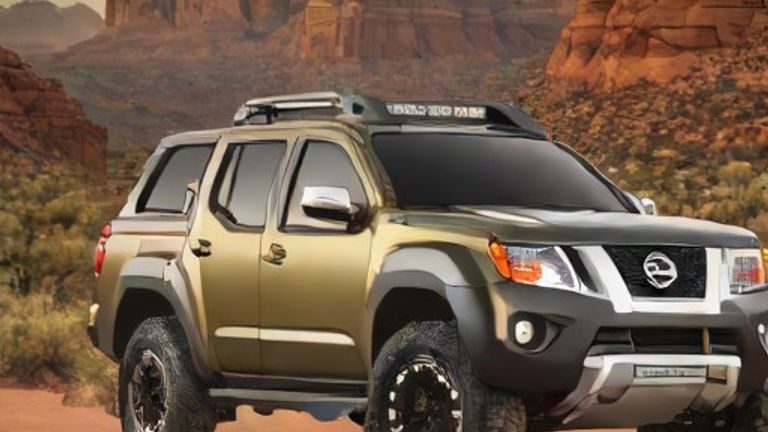
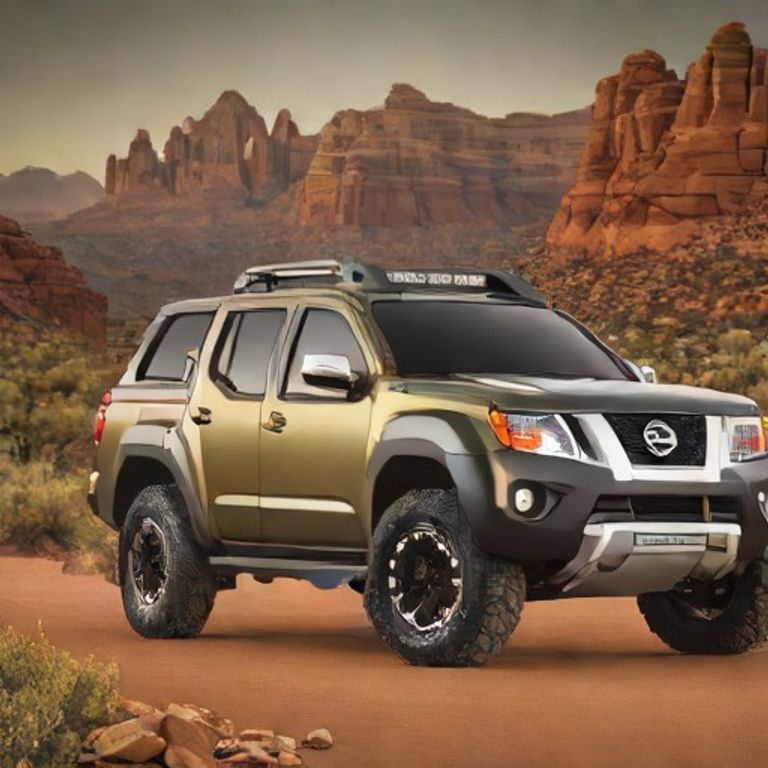
Anticipation is building among off-road enthusiasts and Nissan faithful as details surrounding the next-generation Xterra begin to surface. Long-revered for its rugged capability and no-nonsense approach to utility, the Xterra’s potential return marks a significant moment for Nissan’s light truck and SUV lineup. While concrete specifications remain under wraps, initial insights confirm a strategic approach to both powertrain diversity and design philosophy, positioning the new Xterra to reclaim its adventurous spirit in a modernized market.
The original Nissan Xterra carved out a distinct niche in the SUV market during its production run from 2000 to 2015. It was celebrated for its body-on-frame construction, robust capabilities, and utilitarian design, appealing directly to buyers seeking genuine off-road prowess and a vehicle that could stand up to demanding adventures without unnecessary frills. Its discontinuation left a void, particularly for those who appreciated its blend of reliability and go-anywhere attitude. The prospect of a new Xterra, especially one that aims to retain its core identity while integrating contemporary advancements, is therefore met with considerable interest.
A Modern Take on Power: V-6 and Hybrid Options
At the heart of the forthcoming Xterra’s appeal will be its powertrain offerings, signaling a pragmatic response to evolving automotive standards and consumer expectations. Nissan confirms that the new Xterra will feature a V-6 engine, available in two distinct configurations: a pure-gasoline version and a hybrid variant incorporating electrical assistance. This dual-engine strategy provides a compelling balance between traditional power and modern efficiency, allowing Nissan to cater to a broader spectrum of buyers.
The inclusion of a pure-gas V-6 engine is a nod to the Xterra’s heritage and its target audience, who often prioritize raw power, proven reliability, and potentially greater towing or hauling capacities in demanding situations. A V-6 engine configuration is historically well-suited for larger SUVs, providing the necessary torque and horsepower for challenging terrains and sustained highway speeds. This option reassures those who value the straightforward performance characteristics associated with conventional gasoline engines in a utility vehicle.
Complementing the pure-gas V-6 is a hybrid V-6 option, marking a significant step towards electrification for the Xterra badge. This addition reflects a broader industry trend towards improved fuel efficiency and reduced emissions, even within the rugged SUV segment. Hybrid powertrains often leverage electric motors to provide instant torque, which can be advantageous for off-road maneuvering at low speeds or for enhancing acceleration. Furthermore, a hybrid system typically contributes to better overall fuel economy, offering a more environmentally conscious choice without compromising the V-6’s fundamental capabilities.
- Pure-gas V-6: Caters to traditionalists prioritizing raw power, proven reliability, and robust performance for varied demands.
- Hybrid V-6: Appeals to those seeking enhanced fuel efficiency, reduced emissions, and the potential benefits of electric torque assistance for modern driving and off-road scenarios.
Embracing the Automatic: No Manual Option
In a move that aligns with current automotive market trends, Nissan has also confirmed that the next Xterra will not offer a manual transmission. This decision, while perhaps disappointing to a niche segment of driving purists and off-road enthusiasts who prefer the tactile control of a manual gearbox, is largely reflective of the broader consumer preference for automatic transmissions. Modern automatic transmissions have evolved significantly, offering seamless shifts, impressive durability, and often superior fuel efficiency compared to their manual counterparts, thanks to advanced gearing and electronic controls.
The shift away from manual transmissions in SUVs is a well-established trend, with most manufacturers focusing on optimizing automatic systems for diverse driving conditions, from urban commuting to demanding trail use. For the majority of buyers, an automatic transmission provides a more convenient and less fatiguing driving experience, particularly in stop-and-go traffic or during long journeys. By streamlining transmission offerings, Nissan can potentially focus resources on refining the automatic transmission’s performance and integration with both the pure-gas and hybrid V-6 engines, ensuring a cohesive and responsive driving experience across the board.
Styling for Impact: « Tough, In-Your-Face »
Beyond its mechanical underpinnings, the new Xterra is poised to make a bold visual statement. Nissan has indicated that the vehicle will sport « tough, in-your-face » styling. This design philosophy suggests a deliberate move away from the softer, more aerodynamic aesthetics often seen in crossover SUVs, opting instead for a rugged and assertive exterior presence that harks back to its utilitarian roots and the expectations of the adventurous segment. Such styling cues typically involve strong lines, prominent grilles, durable-looking body cladding, and a commanding stance, all designed to convey strength and capability.
This design direction is crucial for the Xterra’s positioning in a market increasingly populated by purpose-built adventure vehicles. It implies a vehicle designed to look as capable as it intends to be, signaling its readiness for challenging environments and its suitability for active lifestyles. The « in-your-face » aspect suggests an uncompromising design that prioritizes presence and functionality over sleekness, aiming to project an image of durability and readiness for any expedition. This aesthetic is likely to resonate strongly with buyers who appreciate a vehicle that visually communicates its off-road potential and rugged utility.
Re-entering a Competitive Landscape
The return of the Nissan Xterra comes at a time when the SUV market, particularly the segment for rugged and adventure-oriented vehicles, is experiencing a significant resurgence. Competitors have recently revitalized or introduced new models that emphasize off-road prowess, distinctive styling, and versatile utility. By reintroducing the Xterra with a clear focus on traditional SUV values, coupled with modern powertrain options and an unmistakable design, Nissan aims to carve out a compelling niche. The combination of a powerful V-6, an efficient hybrid alternative, and a design philosophy centered on toughness positions the Xterra as a formidable contender for buyers seeking both capability and a unique identity.
As more information becomes available, the full scope of the next Nissan Xterra’s capabilities and features will undoubtedly emerge. For now, the confirmed details paint a promising picture of a vehicle that respects its past while embracing the future. With a robust V-6 engine lineup, including a hybrid option, an automatic-only transmission, and a design ethos centered on rugged appeal, the Xterra is set to re-establish its presence as a serious contender for those who demand both adventure and reliability from their SUV.
Source : https://www.caranddriver.com/news/a70918847/next-nissan-xterra-pure-gas-v-6-hybrid-no-manual/