

North Carolina Takes Legal Action Against VinFast Amid Stalled Factory Project
The state of North Carolina has initiated legal proceedings against Vietnamese electric vehicle (EV) manufacturer VinFast, citing a lack of progress on a promised multi-billion-dollar factory in Chatham County. The lawsuit, filed by the North Carolina Department of Environmental Quality (DEQ), underscores growing frustrations over a manufacturing plant that broke ground in 2023 but has seen virtually no construction activity since. This development signals a significant escalation in the dispute, as North Carolina seeks accountability and potentially the recovery of funds associated with a substantial incentive package offered to the automaker.
VinFast, a relatively new entrant in the global EV market, announced its ambitious plans for a North American manufacturing hub in North Carolina in March 2022. The project, initially touted as a $2 billion investment that later grew to an estimated $4 billion, promised to bring thousands of jobs – up to 7,500 by 2027 – to the rural community of Chatham County. The proposed facility was designed to produce electric SUVs, buses, and batteries, marking a pivotal moment for both VinFast’s global expansion strategy and North Carolina’s burgeoning clean energy economy. State and local officials celebrated the announcement as a transformative economic development opportunity, envisioning a future where Chatham County would become a hub for EV innovation and manufacturing.
A Groundbreaking Ceremony Followed by Stagnation
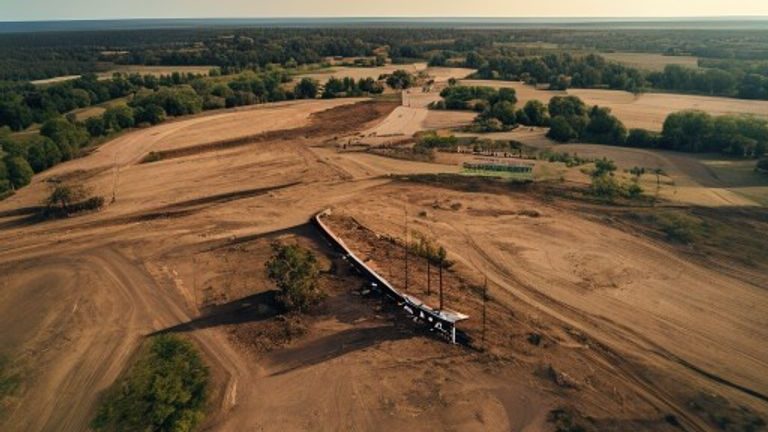
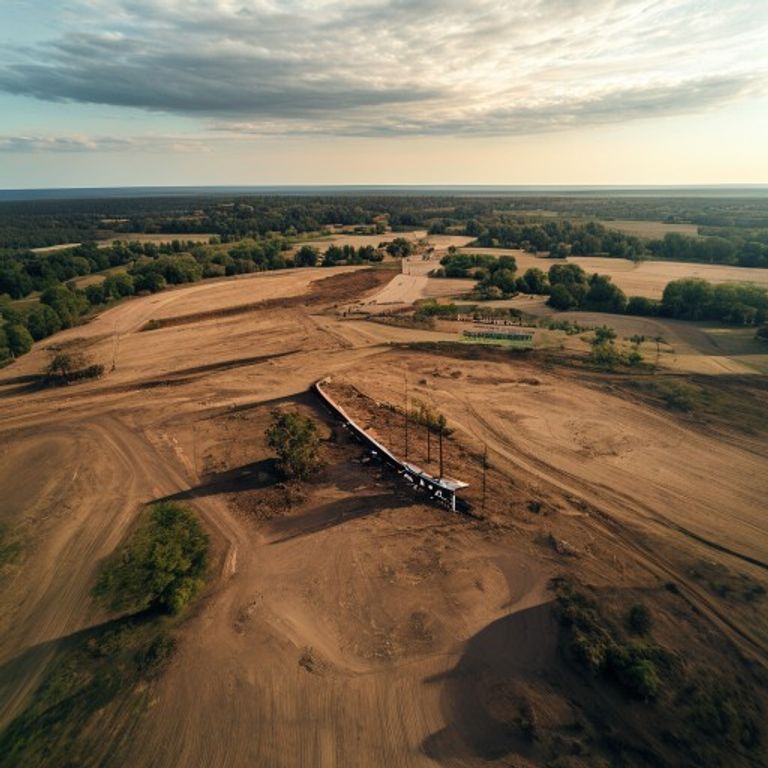
In July 2023, VinFast held a much-publicized groundbreaking ceremony at the Chatham County site, attended by Governor Roy Cooper and other dignitaries. The event generated considerable optimism, signaling the official start of construction for what was projected to be a sprawling 1,765-acre facility. However, the initial fanfare quickly faded as months passed with little to no observable progress. Reports from the site indicated minimal activity beyond initial grading and infrastructure preparation, falling far short of the rapid construction timelines typically associated with such large-scale industrial projects.
The lack of tangible development raised concerns among local residents, elected officials, and state economic developers. The expectation was for cranes, concrete trucks, and a visible workforce to transform the expansive site. Instead, the landscape remained largely unchanged, prompting questions about VinFast’s commitment and capacity to deliver on its promises. This stagnation became a focal point for the state’s decision to pursue legal action, signaling that patience with the delay had worn thin.
North Carolina’s Incentive Package and Conditions
To attract VinFast, North Carolina offered one of the largest incentive packages in its history, totaling an estimated $1.25 billion in state and local economic development incentives. This package included a Job Development Investment Grant (JDIG) from the state, potential tax abatements from Chatham County, and funding for infrastructure improvements like road upgrades and water/sewer extensions. Such incentives are typically performance-based, meaning funds are disbursed only after specific conditions related to job creation, capital investment, and other benchmarks are met. The underlying principle is that the public investment generates a net positive return for the state through taxes and economic activity.
The DEQ lawsuit specifically addresses VinFast’s alleged failure to comply with a state stormwater discharge permit, a critical regulatory requirement for any large construction project. Compliance with such environmental permits is essential for protecting natural resources during development. The state contends that VinFast violated the terms of this permit, which itself is an indicator of the lack of substantive construction activity. While the lawsuit directly seeks civil penalties for environmental non-compliance, it inherently reflects the broader issue of the factory not being built and the potential inability of VinFast to meet the conditions tied to the much larger incentive package. If VinFast ultimately fails to build the factory and create the promised jobs, North Carolina would seek to claw back or withhold significant portions of the incentive funds.
VinFast’s Broader Challenges and Economic Implications
The delay in North Carolina comes amidst broader challenges for VinFast globally. The company, which debuted on Nasdaq in August 2023, has faced scrutiny over its financial performance, production targets, and vehicle sales figures. Supply chain disruptions, fierce competition in the EV market, and the complexities of establishing a global manufacturing footprint have contributed to a challenging environment for the Vietnamese automaker. While these global factors may offer some context for the delays in North Carolina, they do not alleviate the state’s expectations or its right to enforce contractual obligations.
The economic implications of the stalled project are significant for Chatham County and North Carolina. The factory was not just about jobs; it promised to stimulate a local economy, attract ancillary businesses, and foster a new industrial ecosystem. The uncertainty surrounding the project has created a cloud of disappointment and frustration in a community that had eagerly anticipated a transformative boom. The lawsuit serves as a clear signal that North Carolina is serious about holding companies accountable for promises made in exchange for public support.
What’s Next for the VinFast Factory?
The legal action initiated by North Carolina adds another layer of complexity to an already uncertain situation. The immediate impact will likely involve legal proceedings regarding the permit violations, but the long-term ramifications could affect the viability of the entire factory project. North Carolina’s stance highlights the risks associated with large-scale economic development deals and the importance of robust agreements that protect taxpayer interests. As the legal battle unfolds, the future of VinFast’s North Carolina factory remains in serious doubt, leaving a significant void where a thriving EV manufacturing hub was once envisioned.
Source : https://www.caranddriver.com/news/a71386123/north-carolina-sues-vinfast-unbuilt-factory/