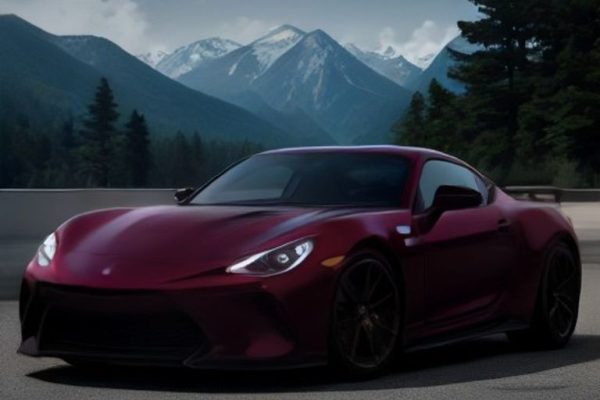



Polestar Teases ‘Formula 2030’ Concept: Design Elements Set for Next-Gen Polestar 2 Amidst U.S. Market Restrictions
Polestar, the electric performance car brand, has offered a compelling first look at its new concept, the ‘Formula 2030’. This teaser showcases a « low-slung concept » distinguished by « striking design elements. » Significantly, these innovative aesthetic characteristics are confirmed to influence and debut on the upcoming next-generation Polestar 2, signaling a clear direction for the brand’s future models. However, this design revelation arrives shadowed by the reality that the Polestar brand remains banned in the United States, presenting a unique challenge in its global market strategy.
The ‘Formula 2030’ concept highlights Polestar’s continuous pursuit of innovation in automotive design. Concept cars like it serve as fertile ground for manufacturers to experiment with new forms, push aesthetic boundaries, and articulate design language for future production vehicles. The « low-slung » descriptor implies an emphasis on a sleek, performance-oriented profile, likely contributing to improved aerodynamics and a dynamic visual stance. This often suggests a focus on driving dynamics and an agile presence.
Furthermore, « striking design elements » underscore Polestar’s ambition to create vehicles with a distinct visual identity. These could encompass unique lighting signatures, bold sculptural forms, or unconventional proportions designed to set the concept apart. Such features are critical in generating excitement and providing a clear indication of the brand’s evolving aesthetic philosophy. By teasing these elements, Polestar sets expectations for a visually impactful future where design plays a central role in its brand narrative.
Bridging Vision to Reality: The Next-Generation Polestar 2
Perhaps the most concrete implication of the ‘Formula 2030’ concept is the explicit confirmation that its « striking design elements are set to debut on the next-gen Polestar 2. » This directly links conceptual vision to a forthcoming production model, allowing enthusiasts to anticipate how futuristic aesthetics will translate. The next-gen Polestar 2 suggests a comprehensive evolution, leveraging the design advancements showcased. Integration of these design cues could manifest through:
- A more streamlined, aggressive silhouette, enhancing visual athleticism.
- Distinctive exterior features like unique headlight and taillight designs.
- Revised body lines or innovative grille treatments for a modern appearance.
This ensures the forthcoming Polestar 2 will visibly embody the brand’s commitment to progressive design and innovation.
The U.S. Market Conundrum: A Significant Hurdle
The exciting design reveal occurs amid a crucial operational detail: « the brand is still banned in the U.S. » This ongoing restriction presents a significant challenge for Polestar, as the United States represents one of the world’s largest and most competitive automotive markets, especially for electric vehicles. A market ban inherently limits a brand’s global reach, sales, and ability to capitalize on its product development in that region.
For American automotive enthusiasts drawn to Polestar’s innovative design and the next-gen Polestar 2, the inability to access these vehicles due to the ban can be frustrating. It creates a disconnect: a brand showcasing its future vision, yet a significant global audience is precluded from engaging. Despite this regional market hurdle, Polestar’s continued unveiling of concepts like the ‘Formula 2030’ demonstrates its unwavering commitment to global product development, pushing its vision across accessible markets.
Anticipating Polestar’s Evolving Design Language
In summary, Polestar’s teaser of the ‘Formula 2030’ concept serves as a clear declaration of its future design intentions. The concept’s « low-slung » nature and « striking design elements » offer a captivating preview of the aesthetic direction defining the next-generation Polestar 2. This strategic preview builds anticipation and reinforces Polestar’s position as a brand focused on distinctive design within the evolving electric vehicle landscape.
However, the concurrent reality of the brand’s sustained U.S. ban adds complexity. While Polestar charts an ambitious global course for its product lineup and design, commercial implications of being unable to fully penetrate a major market like the United States remain considerable. Nevertheless, enthusiasts and customers in markets where Polestar operates freely will undoubtedly look forward to seeing how the visionary elements of the ‘Formula 2030’ concept translate into the compelling reality of the next-gen Polestar 2, further solidifying Polestar’s distinctive identity in the electric performance segment.
Source : https://www.caranddriver.com/news/a73644729/polestar-formula-2030-concept-teaser/